‘Lasers and Photonics’: The Class Where Building a Laser Is Part of the Lesson
Students in the class ENGRI 1100: "Lasers and Photonics" engage in hands-on learning and build a laser for an assignment.
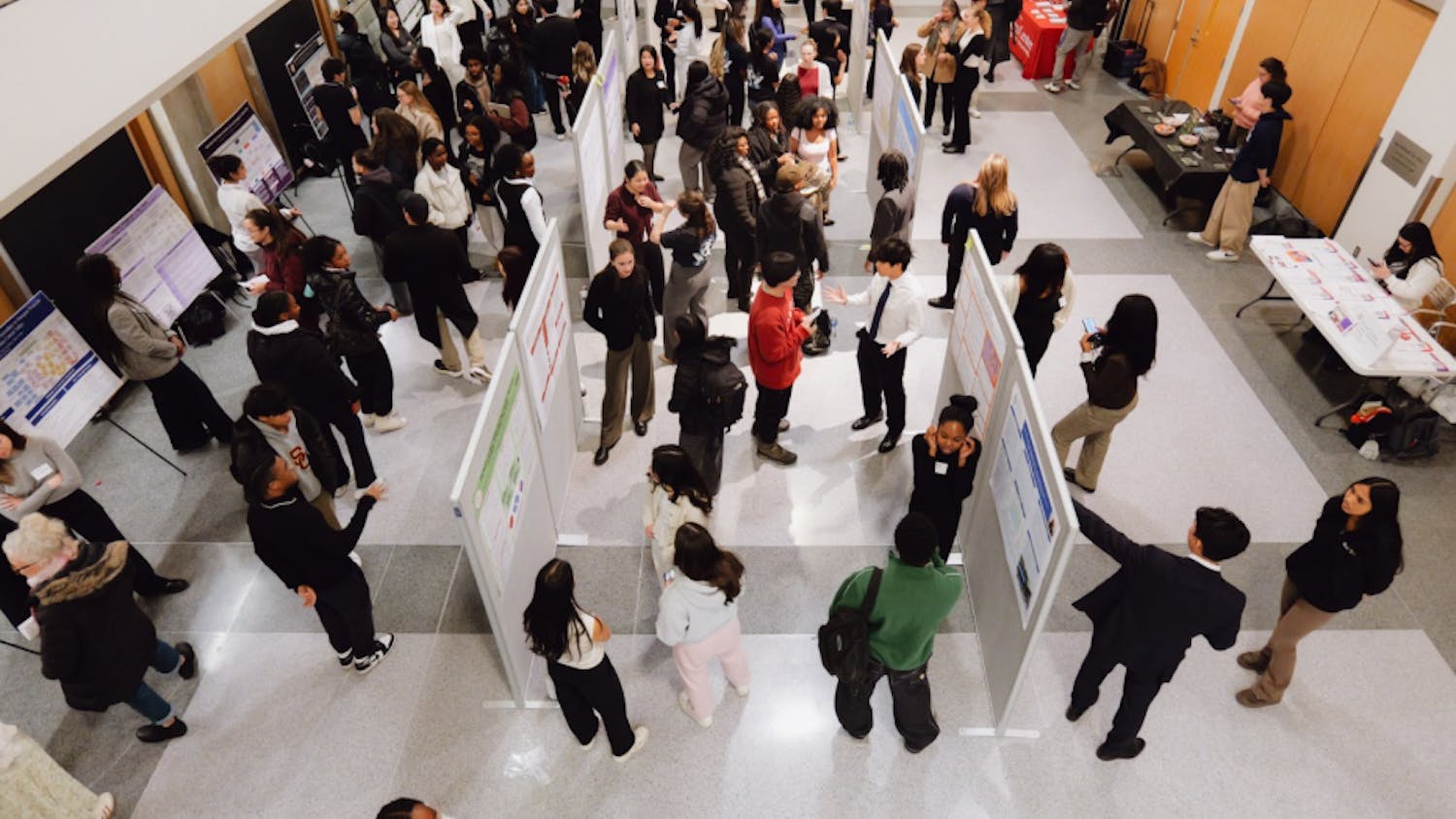
The Experimental Learning Symposium was held in November as an opportunity for over 50 undergraduates in health science fields to present their research.
Prof. Charlie Trautmann Ph.D. ’83, psychology, developed a novel research method to study the impacts of childhood experiences on attitudes and behaviors regarding the environment later in life.
Part of Cornell’s settlement with the federal government is a $30 million investment into agricultural research, which may include digital agriculture, a field that incorporates technology and data into increasing farming efficiency.
Cornell students in the Space Systems Design Studio built the Alpha CubeSat as part of a NASA program supporting student-built spacecraft missions.
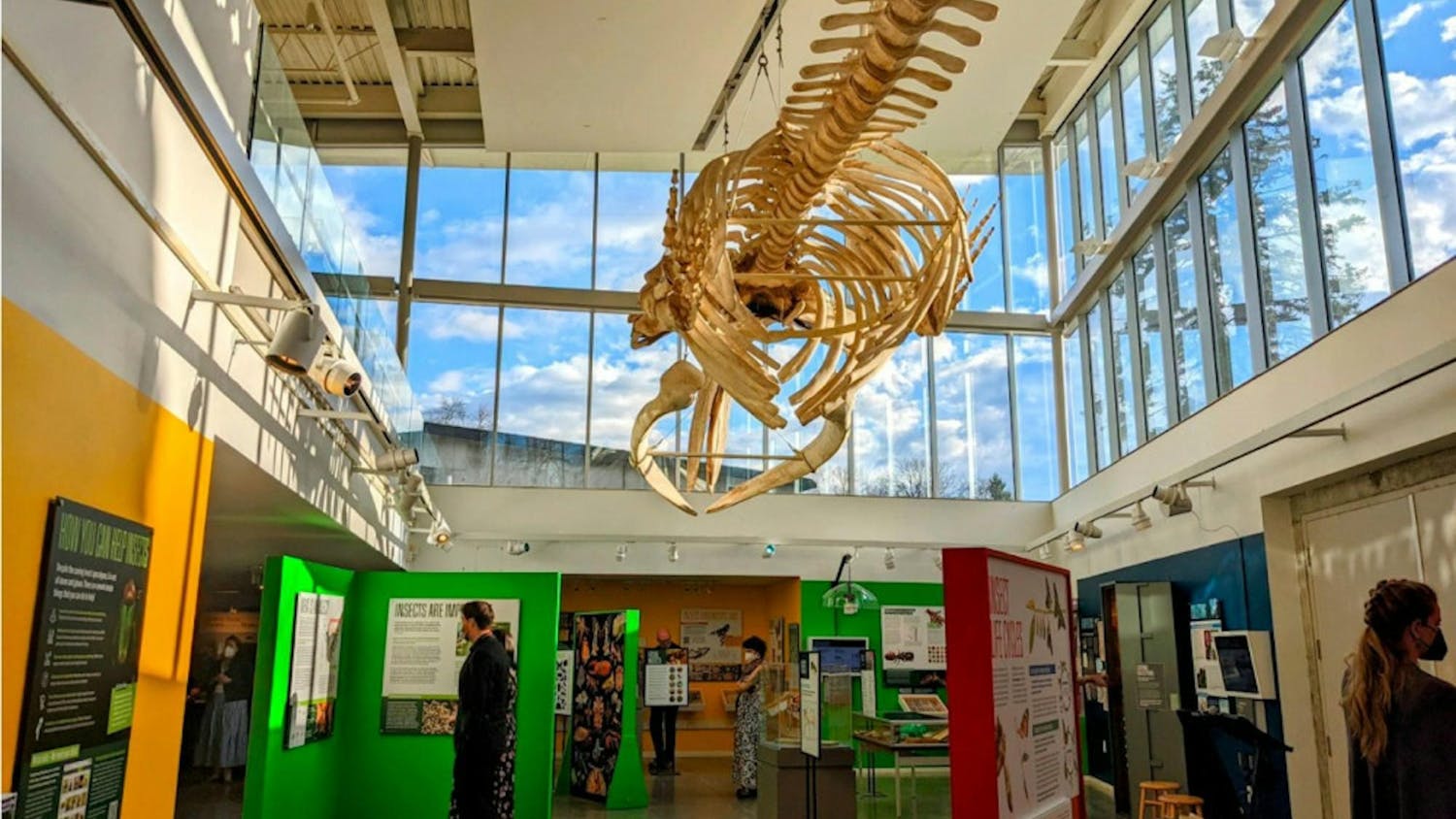
The Paleontological Research Institution may face closure by the end of the year if it cannot pay off a $3 million mortgage, according to PRI Director Prof. Emeritus Warren Allmon, earth and atmospheric sciences.
The locus coeruleus (LC) — a tiny, ancient brainstem structure that regulates arousal, attention and memory—plays a far more critical role in cognition and disease than long assumed, and its early deterioration is now recognized as a key marker of Alzheimer’s progression. Emerging interventions such as vagus nerve stimulation and even music-based therapies may help modulate LC function, offering promising avenues for preserving cognitive health as we age.
Cornell's recent settlement with the Trump administration to restore roughly $250 million in frozen federal research funding involves agreeing to invest $30 million in agricultural research that integrates AI and robotics over the next three years. The deal ends months of widespread disruption across campus labs and academic programs, though students and researchers say the freeze has left lasting damage.
The upcoming Dietary Guidelines for Americans, reworked under RFK Jr.’s leadership, are expected to depart sharply from past evidence-driven standards by condensing the document and elevating whole foods, saturated fat and critiques of ultra-processed foods. Cornell nutrition experts warn that without transparent methods or clear definitions, the revised guidelines may overlook years of scientific work and complicate public health messaging.
“Fashion to me is about how you feel,” said Mary Bellakbira ’26. “How you feel is directly linked to your hormones and the way those two affect each other has been the subject of my research.”
Cornell’s CU GeoData project team brings together engineering and earth science students to design and deploy low-cost environmental sensors aimed at improving regional climate data and research. Through these interdisciplinary, student-run projects, the team hopes to expand accessible environmental data for local communities, support research on environmental change and strengthen real-world fieldwork and engineering experience.
Rowan Lopez ’26 is conducting groundbreaking research on a species of anemone that engages in fights. He also helps other undergraduates get involved in research.
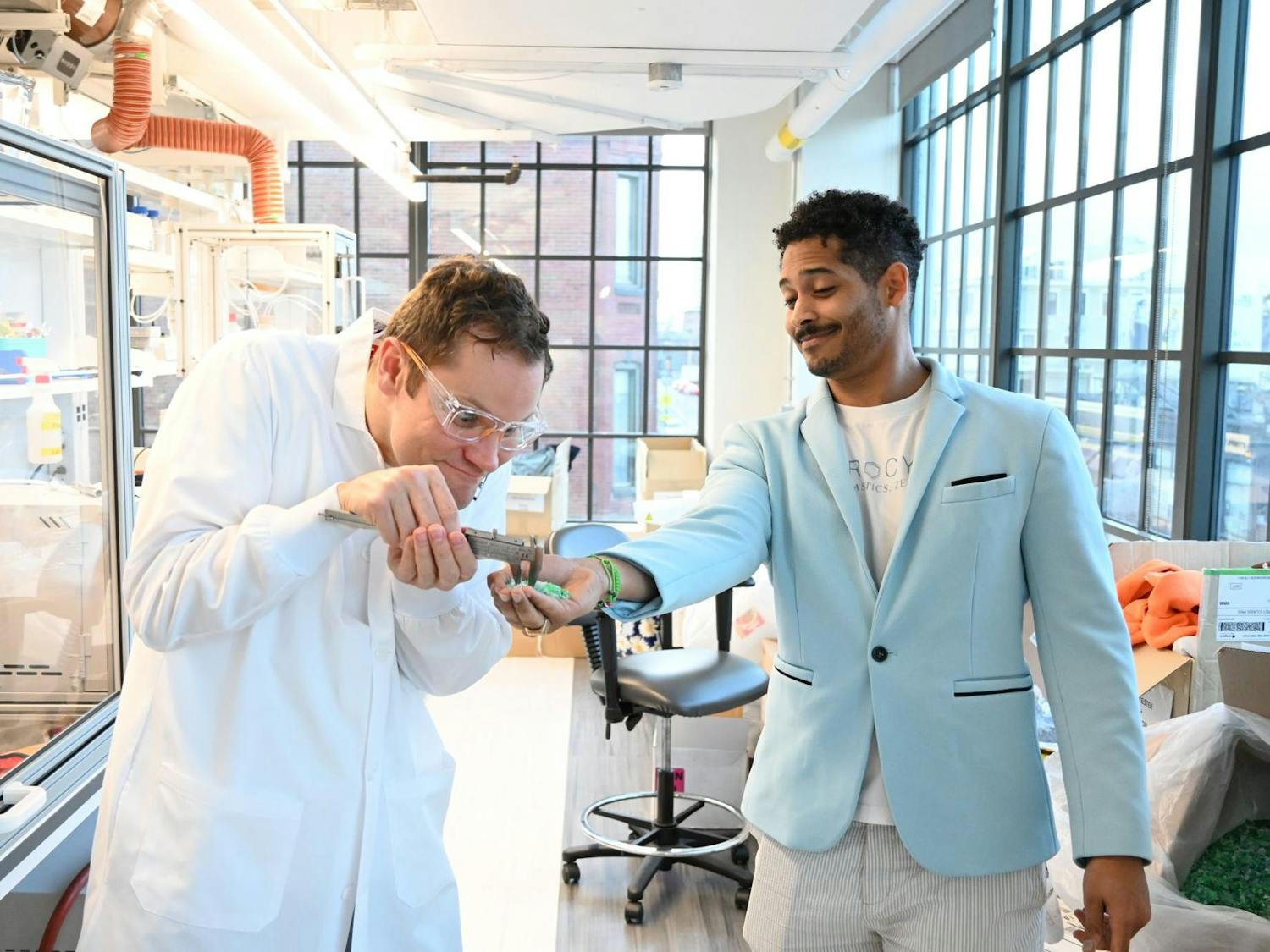
Prof. Geoffrey Coates’s Franklin Award recognizes not only his pioneering work in sustainable polymer design but also the decades of collaborative innovation driven by the students, postdocs and colleagues who built that science alongside him. Together, their collective creativity and persistence have transformed visionary molecular ideas into real-world materials that advance environmental sustainability.
Cornell’s Introductory Field Biology course, NTRES 2100, transforms ecological learning through immersive, place-based experiences led by longtime instructor Prof. Marc Goebel. Blending hands-on fieldwork, interdisciplinary training, and collaborative research, the course equips students with the skills and perspective to understand and engage with the natural world far beyond the classroom.
Roger Pielke Jr. spoke at Cornell Atkinson’s Climate Impact Series on Wednesday, eliciting concerns from members of the scientific community due to his ties to the American Enterprise Institute and its alleged conflicts of interests.
Students in PSYCH 4500 are transforming concepts from psychology and cognitive science into playful, hands-on exhibits for children at Ithaca’s Sciencenter. By blending research on science communication with engaging design and community engagement, the course equips students to make abstract mental processes tangible, interactive and accessible for young learners.
Revived by new student leadership, Cornell’s Take Back the Tap campaign works to counter widespread misconceptions about tap water and the environmental costs of bottled water. The initiative promotes water sustainability through class outreach, educational materials and student ambassador efforts that highlight Cornell’s clean, high-quality tap water.