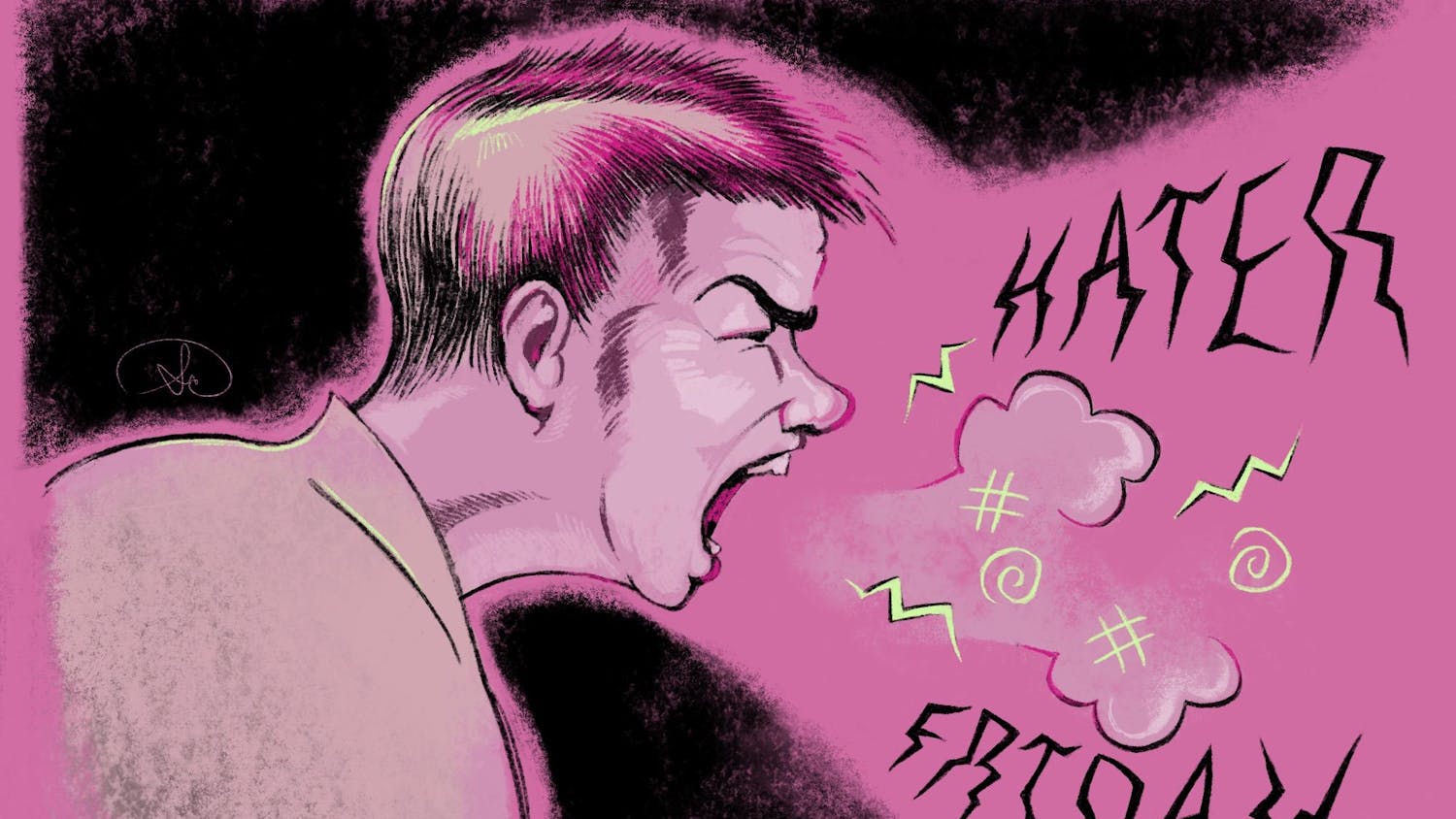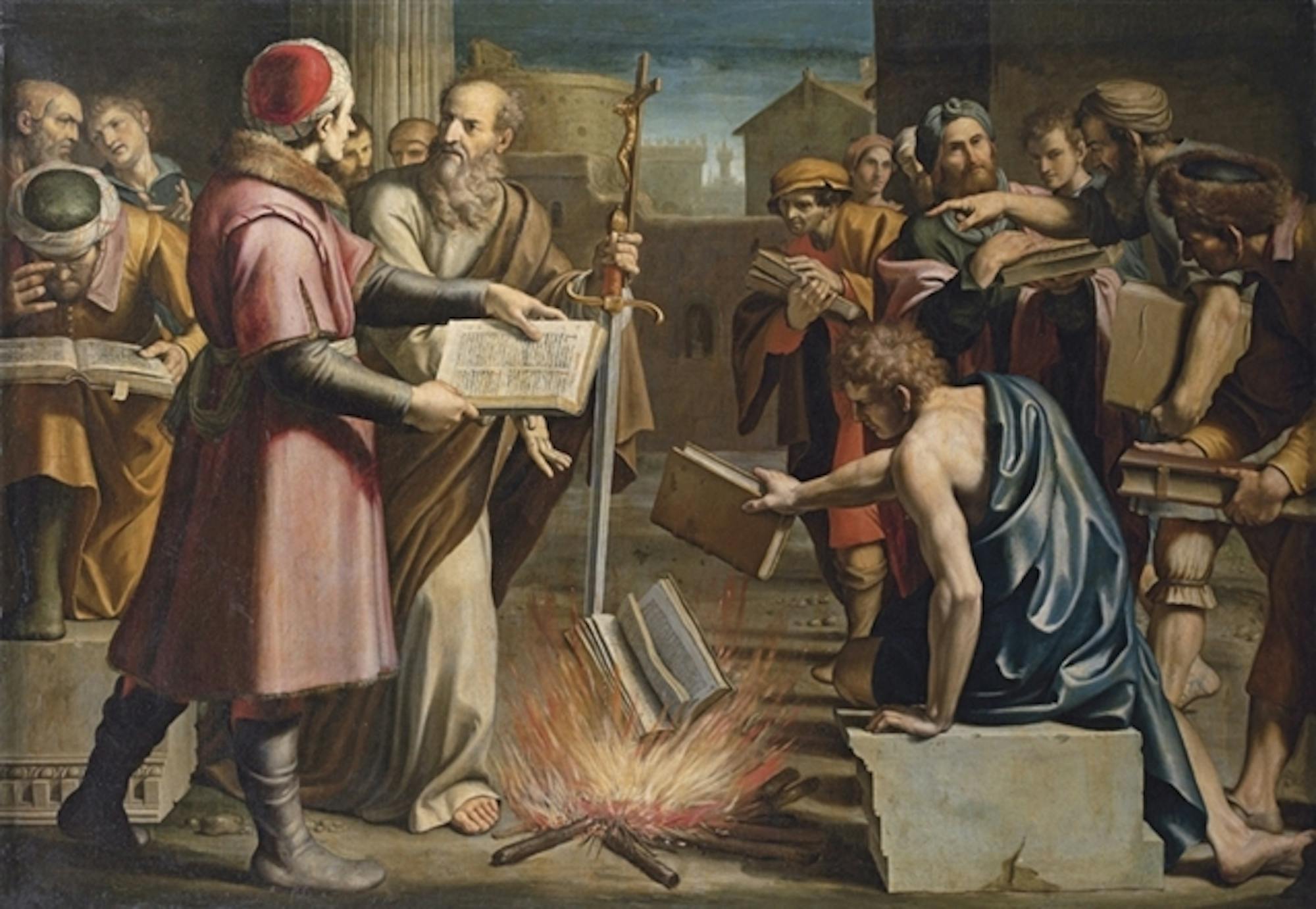
In 1953, Ray Bradbury authored the dystopian novel Fahrenheit 451. In 2026, it could be shelved under nonfiction. Fahrenheit 451 is set in a futuristic American society in which books are banned and burned to ensure mindless conformity amongst its citizens. Books are dangerous because they contain knowledge and contradict the authoritarian government's set of “truths” by encouraging independent thought. Here, firemen do not put out fires, they start them, with the pages of these “dangerous” books as kindling. House Resolution 7661 is a bill that aims to light these fires in our world.
H.R. 7661 or the “Stop the Sexualization of Children Act” aims to modify the Elementary and Secondary Education Act of 1965 to prohibit use of federal funds for any programs, books or other materials “that [include] sexually oriented material” and keep it from “children under the age of 18.” You may be wondering what “sexually oriented material” entails. The bill defines it as material that “includes any depiction, description, or simulation of sexually explicit conduct” or material that “involves gender dysphoria or transgenderism.” You can read the full bill here, but it is already clear that the bill is beyond problematic.
First off, the definitions and age specifications are vague, which makes it very easy to ban any LGBTQIA+ books in schools or libraries that receive federal funds if it were to be passed. The government could easily contrive a sexual reference in a book they want off of shelves, and the ambiguity in the bill would allow them to remove it from schools that receive federal funding. Furthermore, the expanding of “sexually oriented material” to include “gender dysphoria or transgenderism” is appalling because it suggests matters of identity should be considered sexually obscene. The bill is clearly targeting transgender and gender-nonconforming students and access to material that reflects their lives and experiences. Books can act as lifelines for transgender youth because they allow them to be seen and grow into their identities. They are also so essential for non-LGBTQIA+ youth because they promote empathy, subvert gender norms and educate. For more on the importance of LGBTQIA+ literature, refer to HarperCollins’ article.
H.R. 7661 was authored by U.S. Representative Mary Miller (R-IL) last February. It was co-sponsored by 19 other representatives, all of whom were Republican. On March 17, the bill progressed out of the House Committee on Education and Workforce and into the House, meaning it has been released to the entire House of Representatives for consideration. It should have died in committee. Part of the problem lies with the partisan nature of the bill, from its co-sponsors to the majority Republican composition of the Education and Workforce committee. This led to Democratic amendments being silenced, concerns being ignored and the bill advancing to the full House as it did.
H.R. 7661 is also called the National Book Ban Bill by its opponents, and yes, it is as bad as it sounds. Federal funding is vital for the operation of many public schools across the U.S., so while schools can decide to not follow the law, they are caught in a bind because they would lose their federal funding. The bill would force schools to comply by twisting them into submission. It is a tremendous overextension of Congress’ power into the operation of state and local schools. The government should not dictate what children are reading. As American Library Association President Sam Helmick puts it in his official statement on the bill, “H.R. 7661 isn’t fundamentally about protecting kids. It’s about giving politicians broad authority to restrict whose stories are allowed on our shelves.” Already, the bill should not have progressed as far as it did because it highlights how ready our government is to censor entire communities and parts of history. By targeting children, they are going to the source — ensuring children never even learn of other voices, other perspectives, other ideas. It will induce mindless conformity. Sound familiar? Sounds dystopian.
So, what can we do? The bill is still in its early stages and is not yet on the House calendar, so there is time. First, contact your representative by phone or email to express your concerns and encourage them to vote against the bill when it appears on the floor — especially if they were on the committee and supported the bill then. You can find a directory of House Representatives here. If you are unsure where to start, 5 Calls has a page that provides a template. Furthermore, you can reach out regarding support for H.R. 6440, called the Right to Read Act of 2025, which has been introduced in the House. This act would ensure students’ right to read and would increase funding for libraries as well as protect librarians from book bans such as H.R. 7661. It too is in its early stages, but the introduction of H.R. 7661 highlights that we need protections of the right to read more than ever. So please, make your voices heard. If reading requires government intervention and approval, we tumble irreparably into dystopia.
Ayla Kruse Lawson is a member of the Class of 2027 in the College of Human Ecology. She is a staff writer for the Arts & Culture department and can be reached at akruselawson@cornellsun.com.