The first time I visited a Tokyo bookstore, I was shocked. I remember walking in and thinking that I had never seen such a wide and accessible selection of translated novels in American bookstores. Not only were there works from numerous languages translated into Japanese, but also selections in English, Korean, German, Italian, French and so many other languages.
The United States is so globalized, yet its bookstores provide such limited access to foreign literature. The American bookstore centers on domestic writers, leaving a large gap that could be — but isn’t — filled by foreign writers, culture and language. The University of Rochester’s resource for international literature notes that a meager 3% of all published works in the United States are translated, with this statistic dropping to closer to 0.7% for literary fiction and poetry.
Most of my favorite works of literature are translated Japanese fiction; all of them focus primarily on the quiet growth of characters rather than large, extravagant plots. Though slight nuances may be lost in translation, these character-driven stories give insight into Japanese life and culture. However, because of the scarcity of translated works in the American market, most books available for purchase don’t expose readers to other cultures in this way.
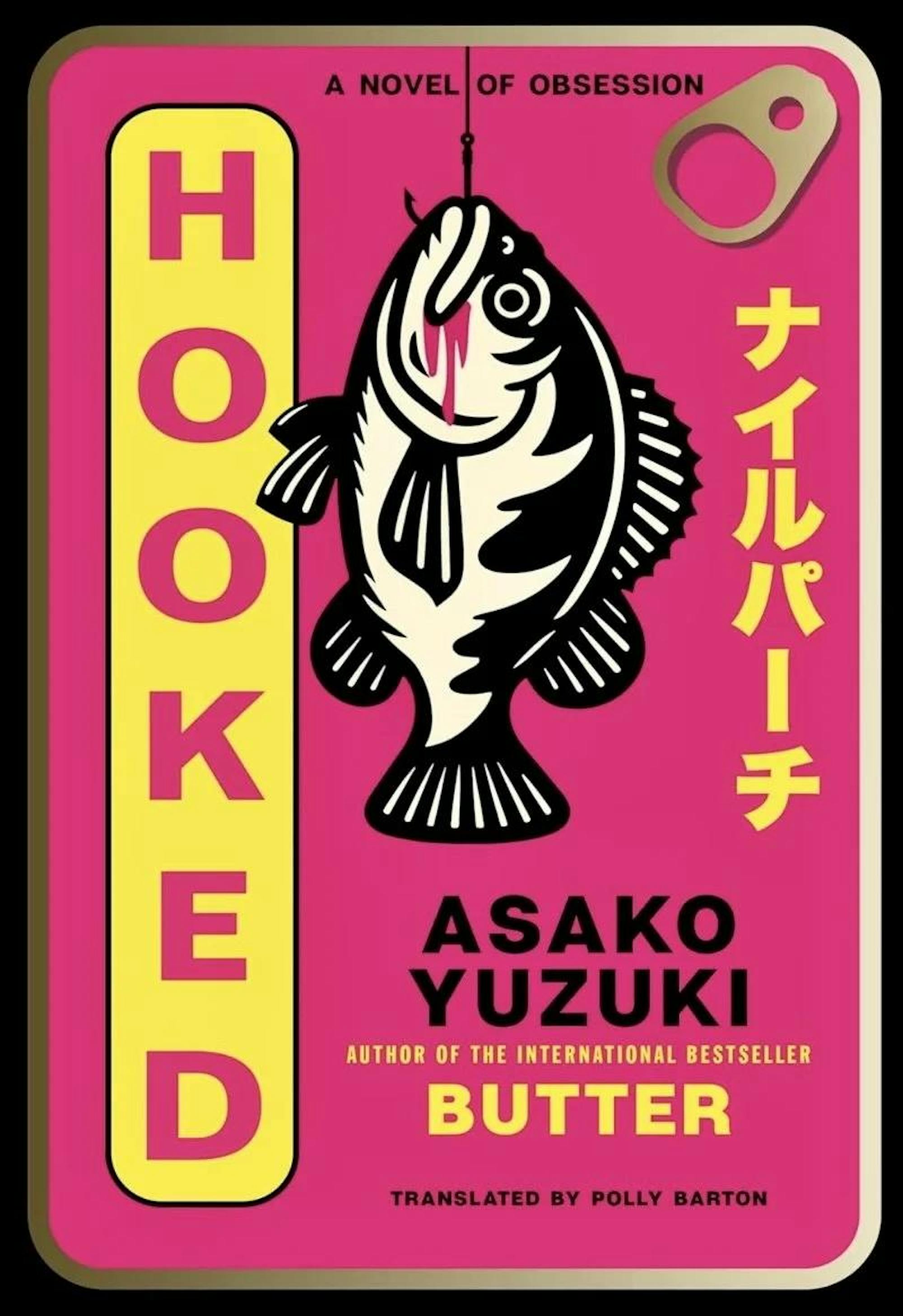
I was browsing through Goodreads a couple of weeks ago when I saw Hooked (originally titled ナイルパーチの女子会), a novel by Asako Yuzuki, had just been released. Yuzuki is a Japanese author known for her hit novel Butter (originally titled バター), which was released in the United States in early 2024. Both novels were translated from Japanese into English by Polly Barton, so I was excited for another great read with a similar feeling and voice.
Hooked, like many other Japanese works I have read, is deeply character-driven. It follows Eriko, a successful businesswoman who trades fish (with a special focus on the Nile perch, a carnivorous invasive fish that disrupts its ecosystem), and Shoko, a popular blogger with the pseudonym “Hallie B.” who details her life as an atypical housewife. Both characters are missing one major thing: female friendship. Eriko grows attached to the idea of Hallie B.’s chaotic and rebellious life, so in her search for female friendship, she masterminds a ‘chance’ meeting between herself and Shoko, initiating a relationship that later spirals into obsession and stalking. The book draws a metaphor between Eriko and the Nile perch she so loves, showing how she disrupts and derails Shoko’s life.
Shoko, on the other hand, is not the perfectly chaotic housewife that Eriko attached herself to. Her character is imperfect and faces quiet struggles with relationships. As Eriko’s obsessive behavior drives Shoko away, the novel explores how the characters change and grow, as well as the cultural implications of their actions. Eriko’s declining performance at work and subsequent attempts to repair relationships with coworkers illustrate the normative expectations of Japanese society in a way I have not seen in other novels. I was equally impressed by Yuzuki’s ability to gradually show the change in Shoko’s character, turning her from an imperfect yet happy housewife into a distant, aloof shell of a woman.
Hooked was a fascinating novel. It was deeply uncomfortable, yet meticulously crafted. It offered both relational and cultural insight through the characters and the expectations put upon them. I was surprised to find that Hooked was originally published in Japan in 2015, nearly 11 years prior to its international release. Similarly, Butter waited seven years for its international debut. Despite Butter’s popularity over the past couple of years, Hooked received comparatively little attention or coverage preceding its release.
There are so many other novels out there waiting to be translated and brought to the international audience. The low interest in translated fiction comes not from a lack of interest, but rather a lack of coverage. Though there are real barriers (namely, cost) to bringing translated works to the American audience, it certainly doesn’t help that the media doesn’t highlight the works that are available.
This perceived lack of interest creates a filter, only allowing proven bestsellers to cross international borders. It takes years, even decades, for these books to be deemed ‘worthy’ of the American audience’s attention, leaving countless authors behind. The next time you are searching for a new book, look beyond the classic American selection. There is excellence waiting for you in works from other cultures.

Katherine Winton is a member of the Class of 2029 in the College of Arts and Sciences. She is a staff writer for the Arts & Culture department and can be reached at kwinton@cornellsun.com.