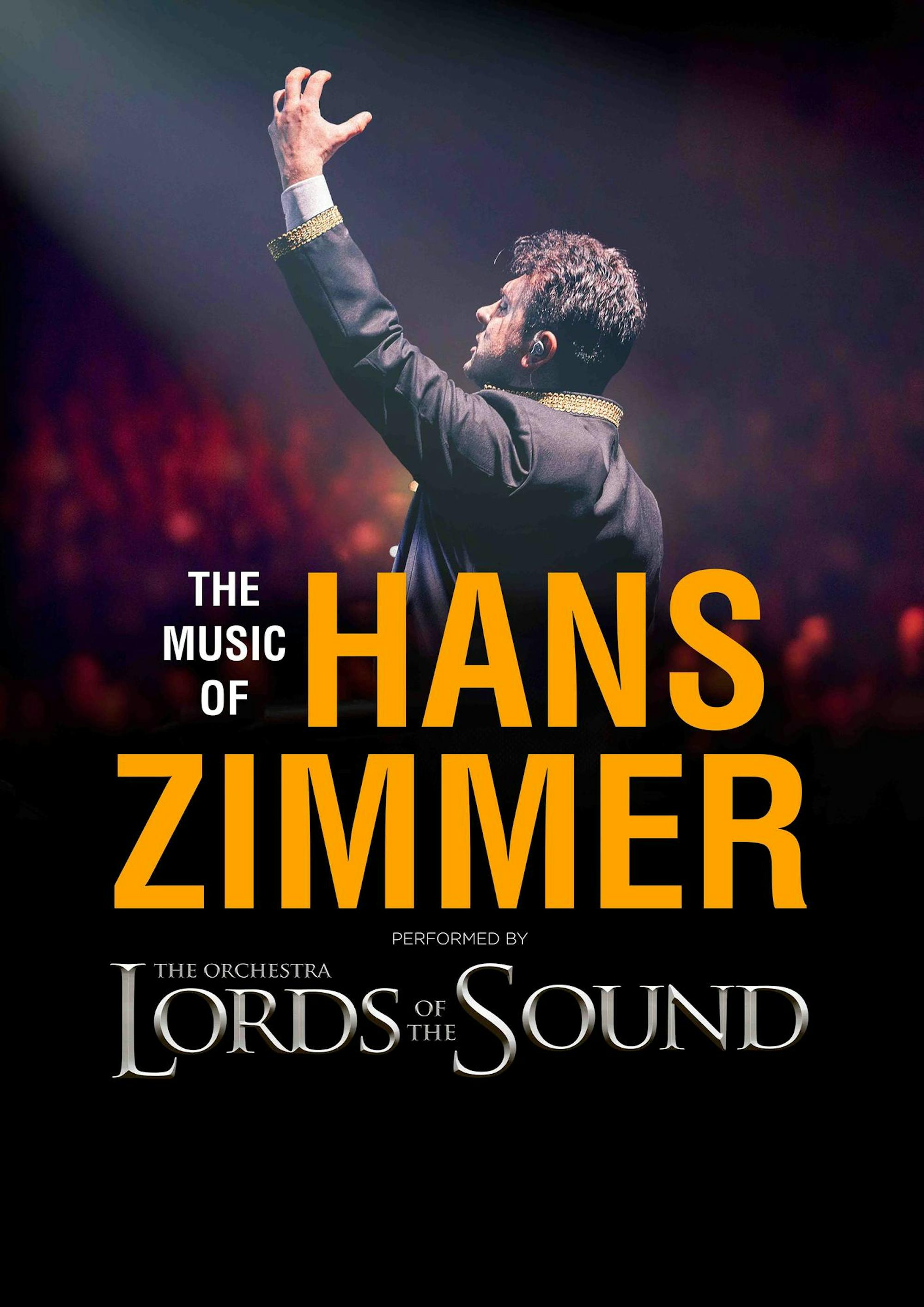
On the evening of March 15, the State Theatre in Downtown Ithaca was filled to near capacity. The lights dimmed, and onto the stage stepped the Lords of the Sound, performing one of their final shows in their U.S. debut tour. A Ukrainian orchestra renowned for its tours across Europe, the Lords of the Sound brought to Ithaca “The Music of Hans Zimmer,” a wide-ranging portfolio of one of film’s most prolific and beloved composers. The selections ranged from the German artist’s most well-known works like “Pirates of the Caribbean,” “Interstellar” and “Dune,” to less worldly-acclaimed scores that instead hold great nostalgic value, such as “Madagascar.” The Lords also performed selections from Ramin Djawadi’s critically-acclaimed score of “Game of Thrones,” paying homage to one of Zimmer’s most accomplished students. Behind the orchestra, vibrant animated videos depicted the corresponding films through symbolic imagery to add a beautiful visual dimension to the performance.
From a musical perspective, the Lords of the Sound are aptly named; a regal excellence defined much of their performance, from their soloists’ command of melody and articulation to the ensemble’s immense dynamic contrast and stellar intonation. Several elements distinguished this orchestra from a typical symphonic orchestra found elsewhere in the world: Several of the vocalists took on theatrical roles, dancing or acting out symbolic gestures from the films (a mock duel during the No Time to Die medley, for example); a trio of percussionists, including a full rock kit, gave a modern feel to the performance, especially when in conjunction with the Lords’ electric guitarist. This instrumentation largely benefitted the performance, especially in the “No Time to Die” medley, providing the quintessential character of Monty Norman’s original theme that only guitar and kit could achieve. Yaroslava Taran and Illia Skrebnov, the group’s standout vocal soloists, delivered stunning performances, with Taran stealing the show in “Now We Are Free” from “Gladiator” as well as in Zimmer and Billie Eilish’s collaboration on “No Time To Die” and Skrebnov featured in several works from “Game of Thrones.”
The modern instrumentation was more of a hindrance, however, when the Lords moved to one of the most anticipated pieces of Zimmer’s repertoire, namely “Up is Down” from “Pirates of the Caribbean: At World’s End.” The original piece blends light, dancing melodies from its upper strings and woodwinds with heavier brass and low strings, relying infrequently on quiet but deep percussion for a lower layer of resonance and rhythm. There is a certain fantastical element to the piece made possible by the emphasis placed on the higher, lighter end of the orchestration while allowing the deeper and richer sections to emerge when needed. The Lords’ modern percussion, particularly its four-on-the-floor kick drum beat, overburdened the ensemble with a weight unsuited for the sweeping and swaying of Zimmer’s original iteration. Furthermore, the guitar in “Jack Sparrow” felt either overbearing or undercut, with balance escaping the modern instrumentation for the “Pirates” medley. With respect to the whole, however, the selection of works and their execution by the Lords was superb. It is difficult to find much else to critique the performance beyond what is essentially a question of instrumentation and balance.
The performance, beyond providing high quality entertainment and a bit of nostalgia, prompted my reflection on the cultural and societal role of this genre of music. More than just Hans Zimmer’s work, film music from hundreds of composers has provided iconic works immensely popular among film savants and casual audiences alike. Who is unfamiliar with the artistry of John Williams, in “Hedwig’s Theme” and “The Imperial March,” or even more recently, Ludwig Göransson’s emergence with such standout compositions in “The Mandalorian” and “Oppenheimer”? These are several of the more well-known examples, though film and film score enthusiasts will have hundreds of examples prepared to point to the steady rise of exceptional compositions to be found in the realm of film and television.
What I believe to be a crowning importance of these particular works of art, beyond providing a quality soundtrack to the visual media they accompany, is that they engage young audiences in the modern world with Western classical traditions of music that are rarely spotlighted elsewhere in modern arts and culture.
Though there are many successful orchestras across the United States today, engagement with classical music even in recent years has declined: From 2017 to 2022, an NEA survey found a 4% decrease in Americans’ attendance of live classical music performances, and a 6% decrease in their consumption of classical music via electronic or digital media. With powerful competitors to contend with such as Jazz, Rock, Metal, EDM and Hip-Hop, Western classical music, rather than passing into the annals of musical history, found a sanctuary in the realm of film. Through modern film, the legacy of Western classical lives on in its descendants of Williams, Zimmer, Giacchino and others. When I entered the State Theatre to listen to the Lords of the Sound, I found myself among many other young listeners — several fellow Cornell students, and undoubtedly a handful from Ithaca College as well. It was not solely the renown of some of the most beloved films of our time that drew this audience, but the emotions that rose from memory in recalling the captivating score that accompanied — and at times drove — those films’ successes. In witnessing the Lords of the Sound perform the music of Hans Zimmer, it was evident that the partnership between film and music has given new life to centuries-old traditions. Even more importantly, those traditions have found an enthusiastic audience in today’s youth, who welcome the legacy of Western classical as part and parcel of their appreciation of their most beloved films.
Matthew Carolan is a member of the Class of 2028 in the College of Arts and Sciences. He is a contributor for the Arts & Culture department and can be reached at mfc89@cornell.edu.