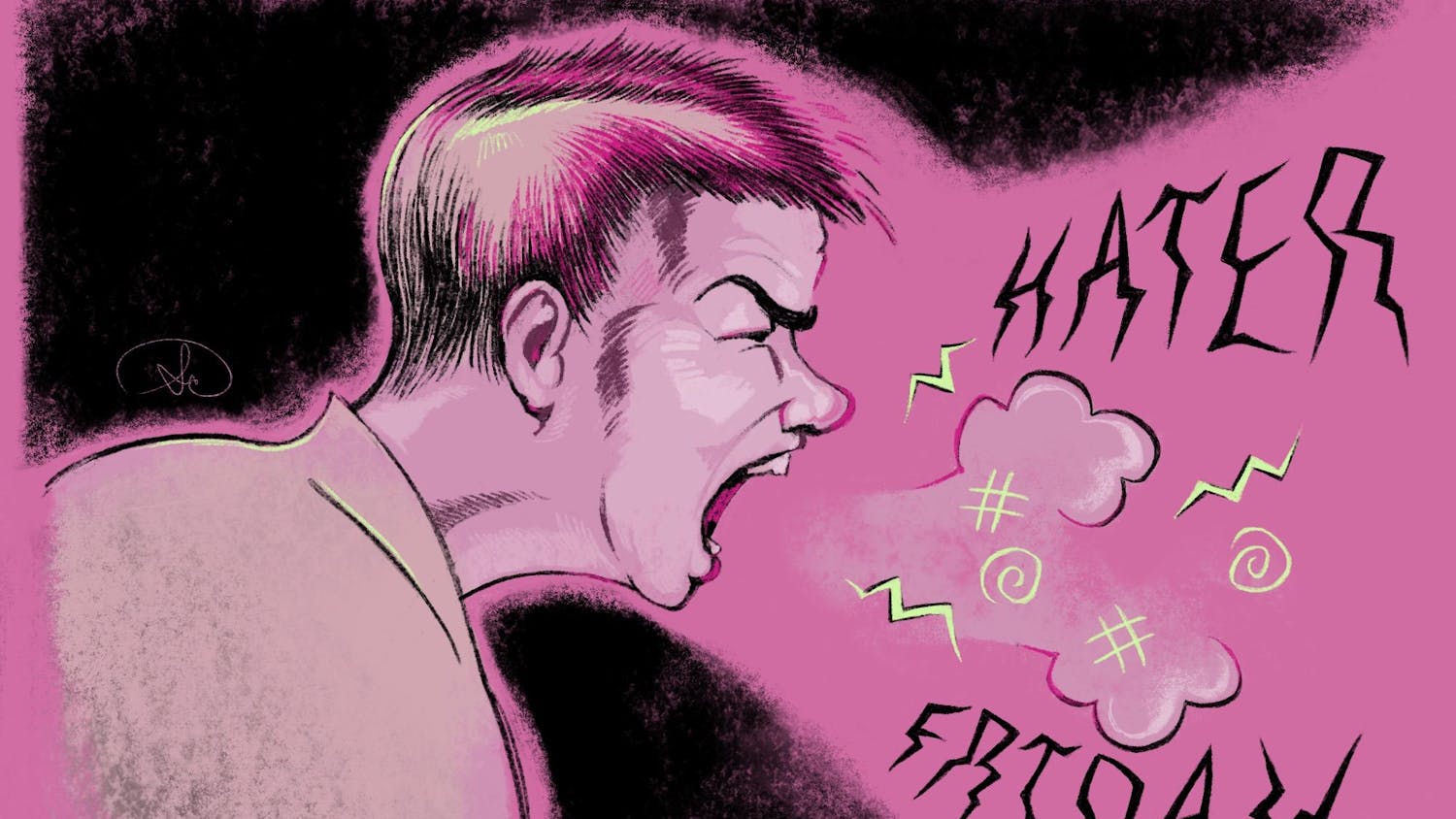
Celebrities curate their personalities to appeal to a targeted audience; falling under archetypes that they must adhere to, or risk losing the base that supports them. Across media, there is one such common archetype: the wife guy.
To be considered a wife guy, the celebrity must present themselves as a husband, centering a large portion of their content on their wives. They are their own individual, but a big part of their act and personality is being a loving husband. Over time, a substantial amount of content is tied to their wives. The wife does not have to be famous, or even in the spotlight, but the husband makes sure everyone knows he is married. The wife guy becomes a trustworthy and relatable person that men and women can appreciate. When such a large part of one’s personality is tied to their marriage, it makes the fall even harder when the wife guy deviates from his persona.
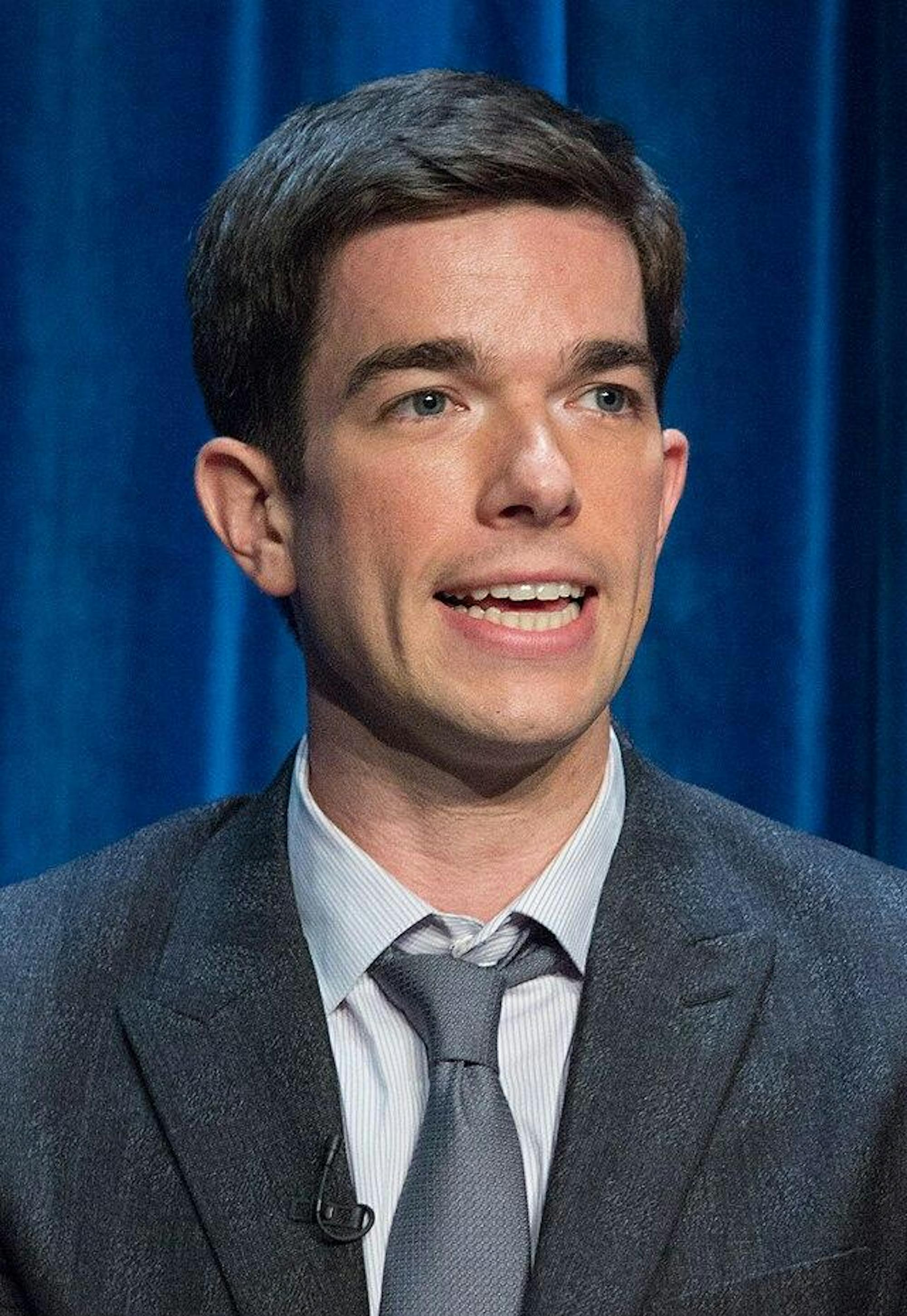
In 2021, John Mulaney, famed comedian and actor, announced that he would be divorcing his wife of seven years, Anna Marie Tendler. This came shortly after Mulaney checked out of rehab. In the weeks following the public statements made by the couple, Mulaney revealed that he had started dating actress Olivia Munn, including the announcement of Munn’s pregnancy. In this short time, not only did Mulaney’s life change, but also the version of him that people were so accustomed to.
This tumultuous time in Mulaney’s personal life came not without public outcry. Mulaney was not receiving backlash for going to rehab or having a divorce; rather, the events provided whiplash from the persona that he had built into his career for years now. The John Mulaney that people had come to know, respect and follow was familiar; they could relate to the wife guy mentality and aspire toward it.
After the divorce announcement and the sudden relationship with Munn that followed, the image began to fracture. The response from the masses did not regard the details, but simply the focus of Mulaney’s comedy that disappeared. The wife guy trope does not simply denote a man who loves his wife and mentions it, but the performance of love, drummed up to audiences and repeated to the public until the person is known particularly for having a wife. Mulaney’s life suddenly changed, and so did his archetypal act.
The wife guy is not a unique pattern to Mulaney. Other public figures have branded themselves as the wife guy; the most egregious example being Ned Fulmer, former member of The Try Guys and Buzzfeed personality. Fulmer’s role within The Try Guys was the devoted husband and father, who abruptly saw his career collapse due to an affair with a staff member of the web series. Fulmer’s online persona as the wife guy left him little room for adjustment after the affair was revealed. Recent attempts to reenter the public eye have failed due to what Fulmer represented at The Try Guys. Fulmer was the wife guy, known not for his personality, but simply for being an over-the-top husband. Similarly, Adam Levine faced backlash when controversies in his personal life clashed with his image as a married man and potential wife guy. Levine issued apologies for his actions and ultimately stayed with Behati Prinsloo. However, Levine is far from the spotlight nowadays.
Mulaney, on the other hand, has had a successful rebound since his difficult time in 2021. Instead of trying to return to the wife guy trope or ignore the questions entirely, Mulaney was self-aware about his situation. He did not attempt to preserve the earlier version of himself, but instead he directly addressed his controversies in his comedy and moved past the wife guy image. Additionally, instead of letting his past loom over him, making it difficult for audiences to trust him, Mulaney tried to find a new way to garner trust. In his 2023 TV special, Baby J, Mulaney discussed his addiction, recovery and still captivated the audience.
What separates Mulaney from failures such as Fulmer and Levine is not that his controversy was any less of a public spectacle, it was the way he continued with his work, incorporating his struggles into his comedy. The shift in his life and image was not absent from mention, it was reframed into being a part of his comedic story. Baby J and subsequent comedy specials and shows from Mulaney maintain his quick and witty humor and his unforgettable voice, but become more self-aware. The stories from Mulaney’s life that become comedy are not all happy. While his earlier work did tell tales of struggle, they were not of overcoming addiction.
As Mulaney’s tour comes to Ithaca, the version of him coming to the stage is the culmination of years of reshaping his image and finding his comedy again. The name on the bill remains, the voice sounds the same, but the character standing before you is different. The pivot that Mulaney made was an incredibly well-calculated approach and demonstrated awareness of the situation, the persona he had built and how he could continue to do what he loved.
The wife guy archetype will continue to be used in celebrity culture. It casts a wide net into the audience, attracting lots of positive attention. With that said, it is one of the most fragile personas one can take on. The wife guy relies on his true relationship and the reality of it in addition to maintaining an image that can be lost at any moment. When the wife guy is no longer a source of joy, seeing someone gushing about the new relationship they are in, what personality does the character even have to offer? Mulaney is proof that even while the image of a wife guy may not survive, it is possible to replace it with something new. The problem is not that the wife guy keeps involving themselves in controversy, it is that the audience keeps mistaking a curated image for something real.
Brayden Rogers is a member of the Class of 2028 in the College of Arts and Sciences. He is a columnist for the Arts & Culture department and can be reached at brogers@cornellsun.com.