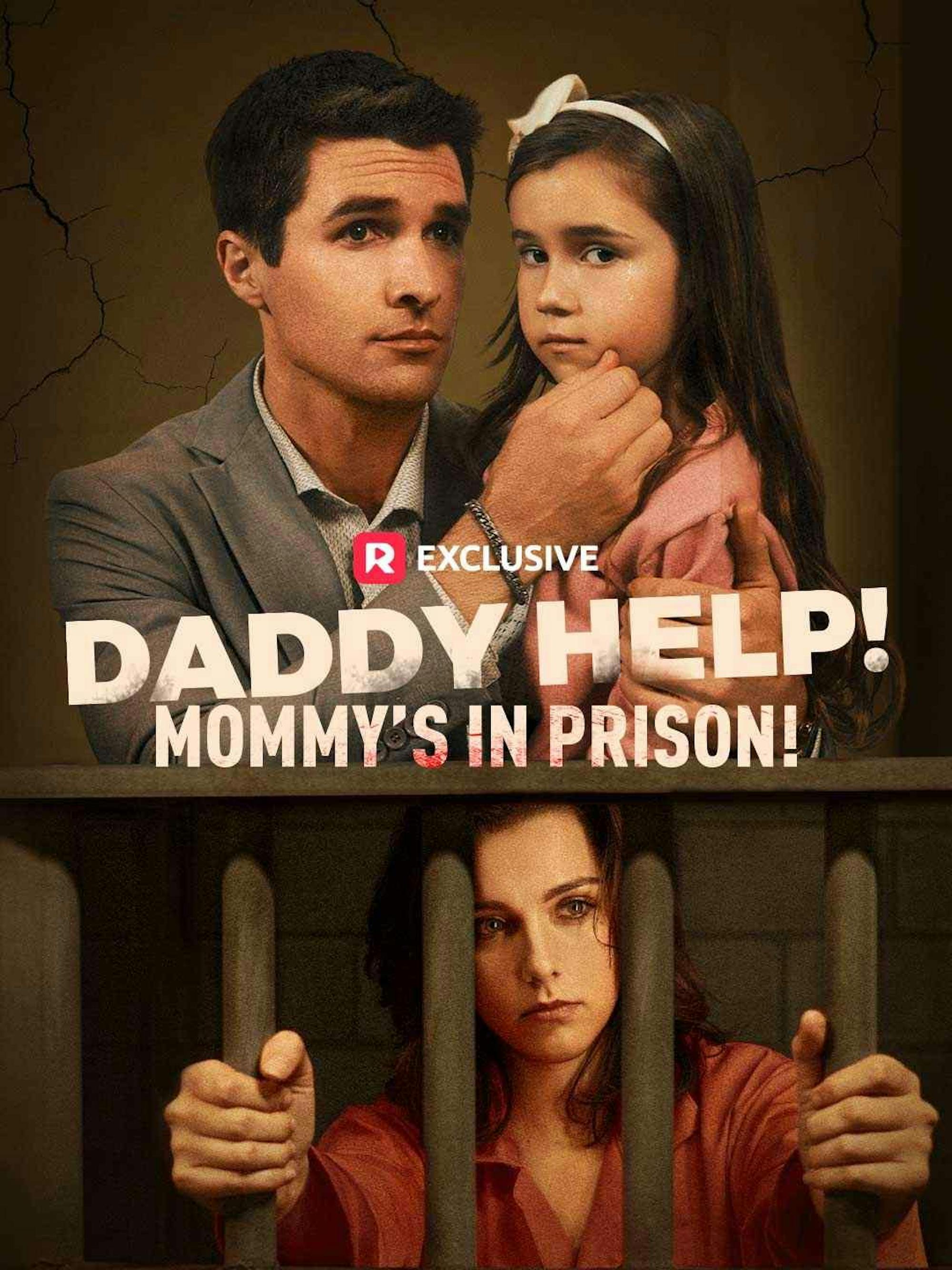
The night I returned home from bombing my first prelim of the semester, I got comfy and watched that one motion picture we’re all watching — no, it wasn’t The Summer I Turned Pretty, it wasn’t KPop Demon Hunters… it was Daddy Help! Mommy’s in Prison!
Right? You guys are watching that too?
Streaming services like ReelShort and AltaTV have been on the rise since the quarantine era of media consumption, generating short, vertically-recorded films very much akin to the TikTok aspect ratio. Viewable in full-screen on your phone, these minute-melodramas are characterized by their insane, somewhat rambling titles that often bluntly explain the plot, such as: The Betrayed Mother is the Divine Heiress, Secret Surrogate to the Mafia King, Never Divorce a Secret Billionaire Heiress and Oops! I’m in Love with My Stepbrother (what?!).
After an hour of scrolling with careful consideration, I decided to go with Daddy Help! Mommy’s in Prison! because that felt like the logical conclusion to my adventure. I’m not going to entertain Reelshorts by promoting their stories on my platform, but the thesis to my madness is that this won’t be your last encounter with the medium.
If you care about the plot, this particular story follows a strangely conscious little girl named Joyce who reunites with her long-lost father, a famous tech mogul, in order to help free her incarcerated mother. The awkward reunion unearths the buried lore of the Baron family and forces the father to overcome his resentment toward his college sweetheart, allowing the three to take down the people who tore their family apart.
I was accosted and maimed by the instant flashbang of poor audio, editing and effects in the opening scene; a single camera flash toward the main actor paired with a full paparazzi soundbyte is a humorously jarring experience. Based on their stiff vocal deliveries and the ways they each fail to carve up space, I also would not be surprised if the actors had little to no experience prior to attaining their roles. Joyce always sounds like she’s actively forgetting her lines while holding in her pee. Assessing the film as a sample, a specimen, I can extrapolate that these films are about as low-budget as the average Dhar Mann slop, and the bigger picture I see painted before me is that they’re lucrative enough to be made forevermore.
Vertical movies like this target the short attention spans of Gen Alpha kids who easily fall for clickbait. Thanks to social media algorithms, the short-form content formulas shaping young people’s entertainment is spreading like COVID-19, hooking millions of U.S. viewers at an exponential rate in the last two years. I begin to fear that there is nothing stopping these producers from penetrating Hollywood. ReelShort is apparently owned by Crazy Maple Studio, a Californian company that has been historically tied to a Beijing-based digital publisher. The cost of generating short-form content is considerably low, with most requiring under $300,000 according to a New York Times article discussing the business.
After splitting films into several parts, ReelShort can paywall later portions of their soap operas for their guiltily curious viewers in order to maximize profit. The undeniable financial success of the operation has even coaxed Albee Zhang, a producer with more than 12 years of experience and features in various LA magazines, to give in after years of skepticism. Now, you may see her name among the credits of vertical productions like I Accidentally Hired a Billionaire Husband. Major studios have not yet experimented with this, but some industry denizens speculate that American-based organizations may soon dabble in the genre.
As someone who once wrote a final essay about brainrot for an English class, I am a reliable source to say that this is far worse. Violently capitalist derivations of art and media, whether made with A.I. or not, threaten to have our entertainment in a chokehold. I hope this experience serves as a warning to you readers; please do not support short-form content like this, even if it starts infecting your feed on social media. You will still be just as hungry afterward. This emerging cinema based on virality is nothing more than garbage dressed in viral clothing. The filmmakers think they know what people want on their screens nowadays, but, ironically, I prefer my stories raw — not half-baked.
Marc Staiano is a junior in the College of Arts and Sciences. He can be reached at mcs382@cornell.edu.
Marc Staiano is a member of the Class of 2027 in the College of Arts and Sciences. He is an assistant arts editor for the 144th Editorial Board and can be reached at mstaiano@cornellsun.com.