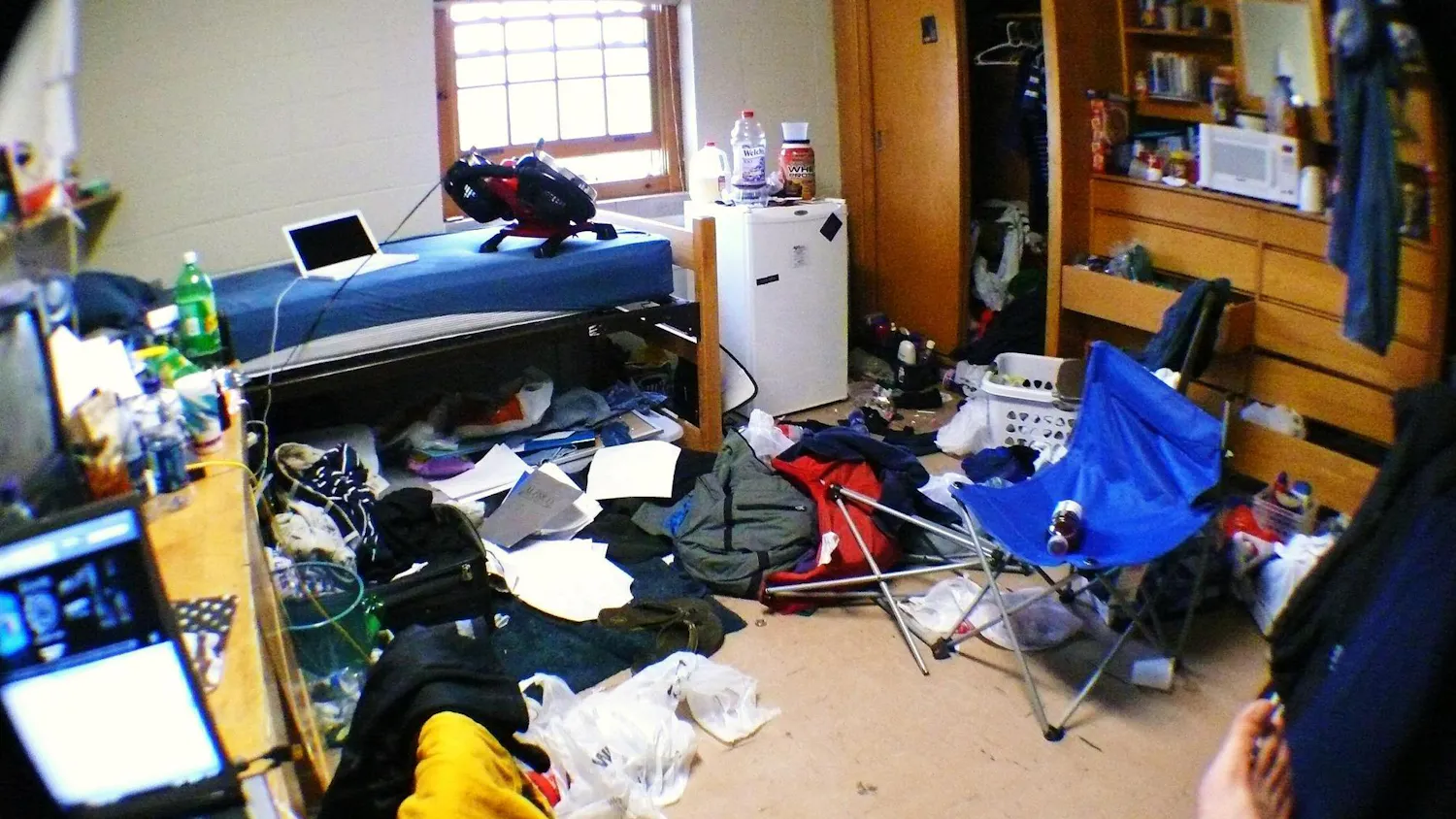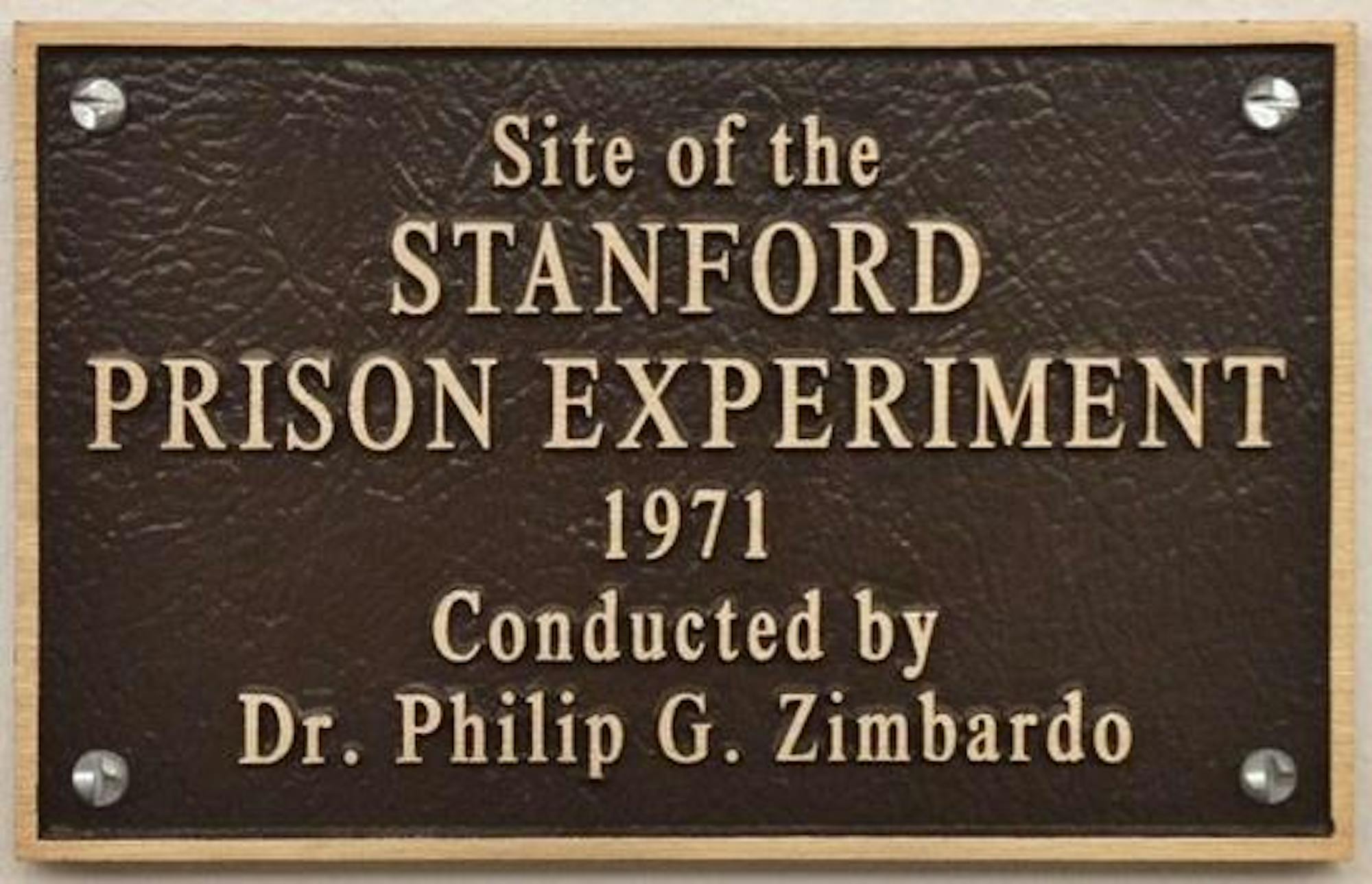
In 1971, 24 college students were sent into a mock prison (the basement of the Stanford Psychology Department) to play out an experiment on the human psyche and how people react to shifting power dynamics. Nowadays, this is known as one of the most infamous psychological tests: the Stanford Prison Experiment.
Run by Professor Philip Zimbardo, the experiment paid healthy college-aged men $15 per day to participate. Prior to the beginning of the experiment, a coin was flipped to determine if each participant would act as a guard or a prisoner. Months of planning and screening applicants fell to the wayside right away.
The experiment, which was originally scheduled to take two weeks, barely lasted six days. In those six days, prisoner rebellions, strip searches and abuse ran rampant in the mock prison. Zimbardo concluded that power had the ability to corrupt human behavior. In the years since the experiment, Zimbardo has been scrutinized and his experiment torn apart. Uncovered tapes saw Zimbardo coaching his guards to exhibit brutality and dehumanize the prisoner participants more. Ultimately, the Stanford Prison Experiment is a sham to the psychology community.
Now, in 2026, 30 regular people have been sent into a prison to play out an experiment on the human psyche and how people react to shifting power dynamics. This new experiment is a reality TV show created by Netflix, called The New Stanford Prison Experiment.
Debuting on Oct. 21, The New Stanford Prison Experiment will be a mini-series of six episodes recreating the infamous trials. Netflix described the experiment by saying, “As the pressure builds and the balance of power begins to shift, the central question feels more urgent than ever: Does power corrupt?”
With a similar mission to the first prison experiment, the new conductors, Netflix, do not move the needle on making this any less controversial. While the recent discoveries of audio tapes from Zimbardo and other instructions to teach his guards to be more brutal are what completely discredits the original experiment, it already was controversial to its contemporaries in the first place. If power does corrupt, without Zimbardo or other human intervention, then participants will be subjected to dehumanization and harsh treatment.
Another source of controversy for the new experiment is that it will be filmed, edited and aired as a reality show. When loading into Netflix and searching for the show, Netflix themselves write in the description: “This Show Is: Provocative.” A major streaming company turning this brutal experiment into content is deplorable behavior.
The reality TV space is already heavily scrutinized for subjecting participants to harsh conditions. While the popular and heavily funded shows like Big Brother and Survivor try their best to keep contestants out of harm's way, even a major backer such as CBS does not protect everyone. Big Brother is infamous for allowing racist individuals onto the show, resulting in the removal of a previous houseguest for using racial slurs. Furthermore, Season 39 of Survivor was plagued by contestant Dan Spilo inappropriately touching both female contestants and crew members.
When it comes to smaller producers of reality shows, they treat their contestants even worse. Amazon’s Beast Games, hosted by YouTuber MrBeast, is currently facing lawsuits for not providing proper meals and neglecting medical needs of contestants.
So, a televised experiment where the central question is whether power corrupts is inherently an abuse of power over the participants. These participants are regular people hoping to make it on TV, break into the reality show space or simply make money. Profiting off of them for the sole purpose of shock value and trying to pass this reality show as an “experiment” of any kind is in poor taste from Netflix.
A “modern reimagining of the infamous study,” as Netflix reports, is simply not needed. The reality TV space is an industry which forces its participants into uncomfortable situations where they must show their true colors as humans. This is an industry that is much deserving of scrutiny, and no amount of mental health care after can make up for subjecting contestants to the psychological torture that can occur on these shows. So, recreating an experiment that is infamous for abuse, torture and rioting feels like a mockery of an already scrutinized industry.
The New Stanford Prison Experiment now has both of these contentions working against it — the controversy of the original experiment and the general mistreatment of reality TV show participants. With Netflix at the helm, I imagine they will stay about as neutral as Zimbardo, that being not at all. While Zimbardo tried to give his experiment results more meaning by pushing guards to be more brutal, Netflix will do none of that. Instead, Netflix can put their hand on the scale to create more entertainment value out of the show in a different capacity. Having “experiment” in the title of the series is a disservice to other legitimate psychological studies. Netflix knows that viewers want to see shocking events and twists, so modifying the test to push people into those situations is likely to occur.
The only corrupting power is the power that Netflix possesses over these participants and the viewers who will tune in to watch. So, will this new ‘experiment’ last the full two weeks, or will it too be cut short?
Brayden Rogers is a member of the Class of 2028 in the College of Arts and Sciences. He is a columnist for the Arts & Culture department and can be reached at brogers@cornellsun.com.