


“I’d love nothing more than a feature length film making fun of my brother,” joked Jack Altman, brother of Sam Altman, in an X post referring to the upcoming biopic Artificial, starring Andrew Garfield as the OpenAI CEO.
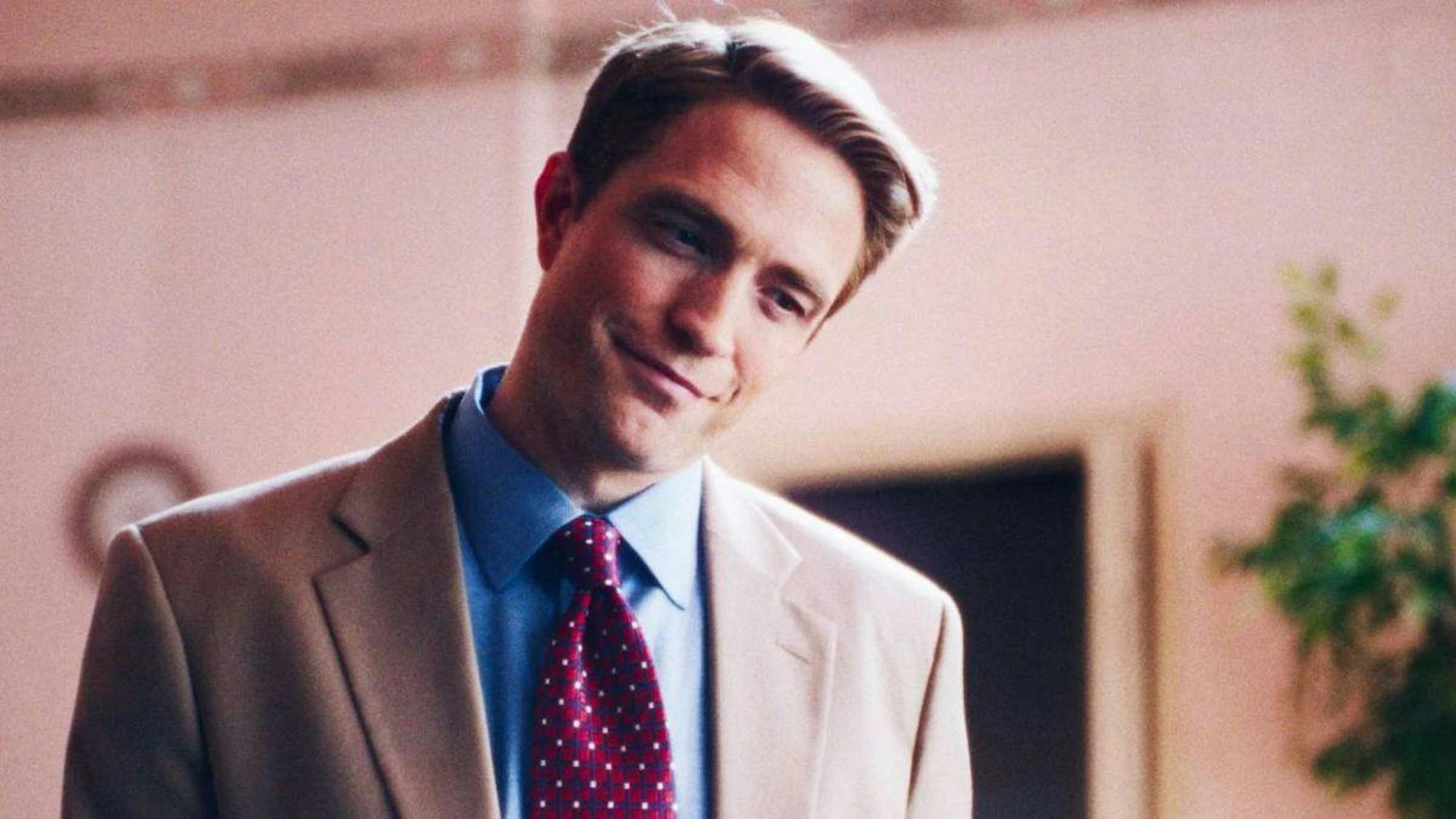
“The reality is, the studio and the director set out to make a completely dark work of fiction,” asserted Chris Hansen in an interview with the New York Post, referring to the upcoming biopic Primetime, starring Robert Pattinson as the Dateline NBC correspondent and host of To Catch a Predator.
“It was weird, man … They got all these specific details of what I was wearing, or these specific things correct, but then the whole narrative arc around my motivations and all this stuff were like, completely wrong,” stated Meta CEO Mark Zuckerberg in a 2025 appearance on the YouTube podcast “The Colin and Samir Show,” referring to the classic 2010 biographical drama The Social Network, starring Jesse Eisenberg as Zuckerberg.
Biopics. You know and love them, and so does the entire film industry as of late. Just in the past few years, we’ve seen massive box office successes telling stories of pop culture legends like Michael Jackson, Bruce Springsteen, Bob Dylan and Elvis Presley, featuring the biggest names in Hollywood portraying their historic protagonists, among them modern film giants like Timothée Chalamet and Austin Butler. This is without mentioning the countless upcoming biopics that, when all is said and done, may very well grant this period in film history the moniker of the “biopic era.”
But not all biographical dramas depict pop stars or rock n’ roll legends. In fact, a significant number of upcoming biopics notably do not: the object of these projects’ production teams may not be to tell an inspiring tale, but rather to provoke speculation, scrutiny and even controversy with regards to their subjects.
Primetime, an upcoming film directed by Lance Oppenheim, will tell a dramatized story of Chris Hansen’s endeavors as the host of To Catch a Predator. The trailer and other promotional material suggest that Hansen is to be depicted as an industry-motivated showboat, his work being satirized for dramatic effect rather than portrayed in a purely positive light. Artificial, listed on IMDb as a biographical comedy drama, will star Andrew Garfield as Sam Altman, CEO of OpenAI. The trailer, having just released Sept. 8, is backdropped with dialogue featuring lines in which Altman speaks enthusiastically of the fall of countries and the collapse of industries as a result of AI innovation — not very good signs for how Altman’s moral character will be presented in this inevitably controversial film. The Social Reckoning, the upcoming companion piece to The Social Network, is to be directed by Aaron Sorkin and will follow the endeavors of Facebook employee Frances Haugen (Mikey Madison) and journalist Jeff Horowitz (Jeremy Allen White) to blow the whistle on the infamous “Facebook Files,” much to the dismay of an older Zuckerberg (Jeremy Strong).
Now, it goes without saying that the controversial endeavours of these sorts of biopics typically come with a side effect of disapproval from their subjects, as evidenced by the quotations at the beginning of this article. Yet, all of the aforementioned films, as with any biopic hoping to achieve any kind of monetary success, were produced with the aid of meticulous counsel from an in-house legal team, making the success of defamation suits highly unlikely — though they may be considered on occasion.
Given all of the controversy stirred up by these projects, one important question comes to mind: What’s the point? What are storytellers trying to achieve when they take on all of the social, legal and economic risks associated with a creative endeavor that relies on the portrayal of real, powerful figures in a negative light? Well, the truth is, there isn’t just one answer, and it varies from filmmaker to filmmaker.
“What brought me to the project was that it felt like this timeless story about friendship and loyalty and power, betrayal, class, jealousy. The kind of thing that Aeschylus or Shakespeare or a few decades ago Paddy Chayefsky would have written about,” Sorkin told Gold Derby at the 2010-2011 Critics’ Choice Awards, referring to The Social Network, for which he wrote the screenplay. In film, you can’t really pin down a filmmaker’s motivations as purely political or activist in nature, even when it comes to media of this nature. There will always be an element that’s just purely about art; telling a story, entertaining people.
To me, however, biopics surrounding powerful and controversial figures accomplish something very unique. As the most widespread medium of entertainment and social commentary, they give the public a new way of interacting with these individuals. Filmmakers present to their viewers a dramatized lens into what is believed to be a more candid viewpoint of the subjects’ lives, while maintaining legal protection (at least for the most part). Viewers are then able to interpret and scrutinize these stories, often gaining a perspective they wouldn’t have otherwise taken on. En masse, these projects can vastly and significantly impact the public perception of authoritative figures, like the way Mark Zuckerberg’s image was tangibly and irreversibly impacted by The Social Network. All of a sudden, the authoritative role that influential people exercise over the public is challenged, and altered public perception becomes a force to be reckoned with. When you ask the average person on the street to comment on Zuckerberg’s moral character, you don’t have a lot of statistical backing to expect a positive response. Impacts like these can be majorly, or at least in part, attributed to the ‘darker’ side of biographical film. The demonstrable power of these sways in public opinion resulting from biopics should not be underestimated — given the right circumstances, they very well could be catalysts for social movement or political change. To me, that’s one of the many things that makes film an art to be treasured.

Jordan White is a member of the Class of 2029 in the College of Arts and Sciences. He is a columnist for the Arts & Culture department and can be reached at jiw39@cornell.edu.


