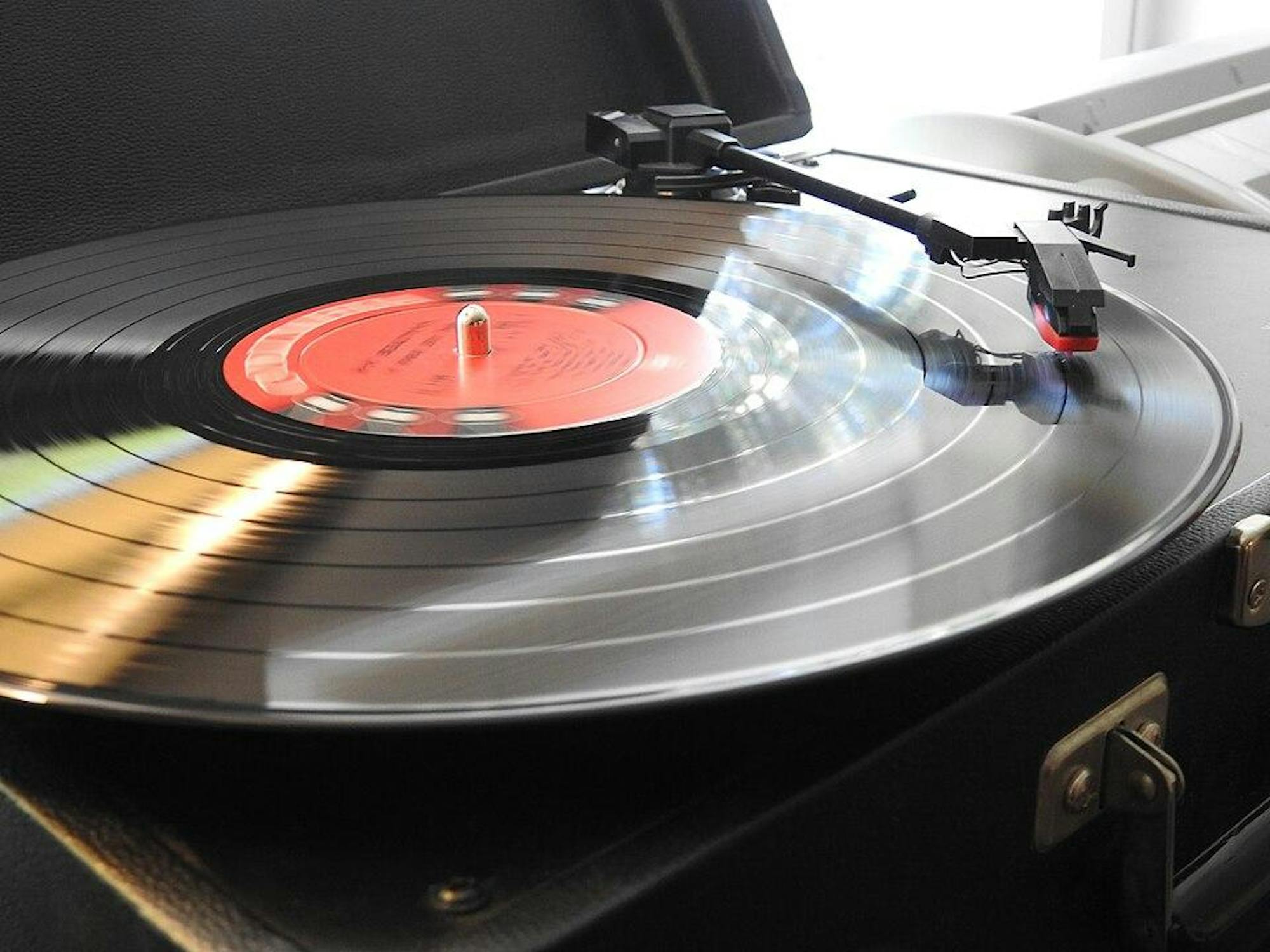
On Jan. 1, 2023, I endeavored to listen to one album per day for the entire year. Each day, I would not only listen to the album I chose but also write about it so that I could both share my thoughts and keep a record for posterity.
As it happens, I only lasted about four months before listening to albums became more of a weekly, then biweekly, thing for me. Some days, I just wanted to listen to what I knew I liked, be it a longtime favorite of mine or yesterday’s album. But the experience rapidly and significantly expanded my knowledge of music past and present and in large part made me who I am today. Thus, I always wanted to try again, so this school year I plan to do just that. And if you care about art, you should join me.
Of course, the most obvious benefit of listening to albums is that it helps you discover new music easily. At first, it’s not clear which albums you will listen to or how you will find more. Maybe you’ll complete the discography of one of your favorite artists, or you’ll listen to one of your friend’s favorites. Maybe you’ll look online to see which albums are highly acclaimed (rateyourmusic.com and albumoftheyear.org are two websites much like Letterboxd for music that I highly recommend). Maybe you want to diversify your music taste and listen to cool jazz one day and death metal the next. The possibilities are endless.
Regardless of what you listen to, you’ll be able to participate more meaningfully in music discourse. Nobody likes being the only one in a group who hasn’t seen Jaws or read Frankenstein, and the same goes for not having listened to Rumours, Abbey Road or the latest Olivia Rodrigo album. Listening to new albums everyday broadens your musical horizons and allows you to connect with more people through talking about music more than just knowing one or two songs by an artist. Maybe that means being able to really connect with someone who listens to the same niche music as you do, or perhaps you’d prefer to cast a wide net by listening to the classics of many genres. Whatever you do, your future self will thank you for your self-education.
So far, most of what I’ve said could also be said about other forms of media like books or movies. Music’s greatest advantage over these other art forms, however, is its accessibility. Music has become readily available through platforms like Youtube and SoundCloud so you have no need to pirate anything or visit fishy websites to listen to your album of choice. Furthermore, whereas books and movies require your complete attention — eyes, ears and hyper-focus throughout such that you never lose track of what’s happening — to consume, albums only really need your ears and your normal presence of mind. If you lose focus for a minute while listening to music, the album experience is not ruined because you can no longer follow it, unlike the movie or TV experience. In this way, albums are more forgiving than other media.
You’ll also never run into the issue of not having the time to listen to an album. Just listen to a new album while doing your homework, commuting or even another hobby. So long as you have a way to listen to music, you can listen to an album every day.
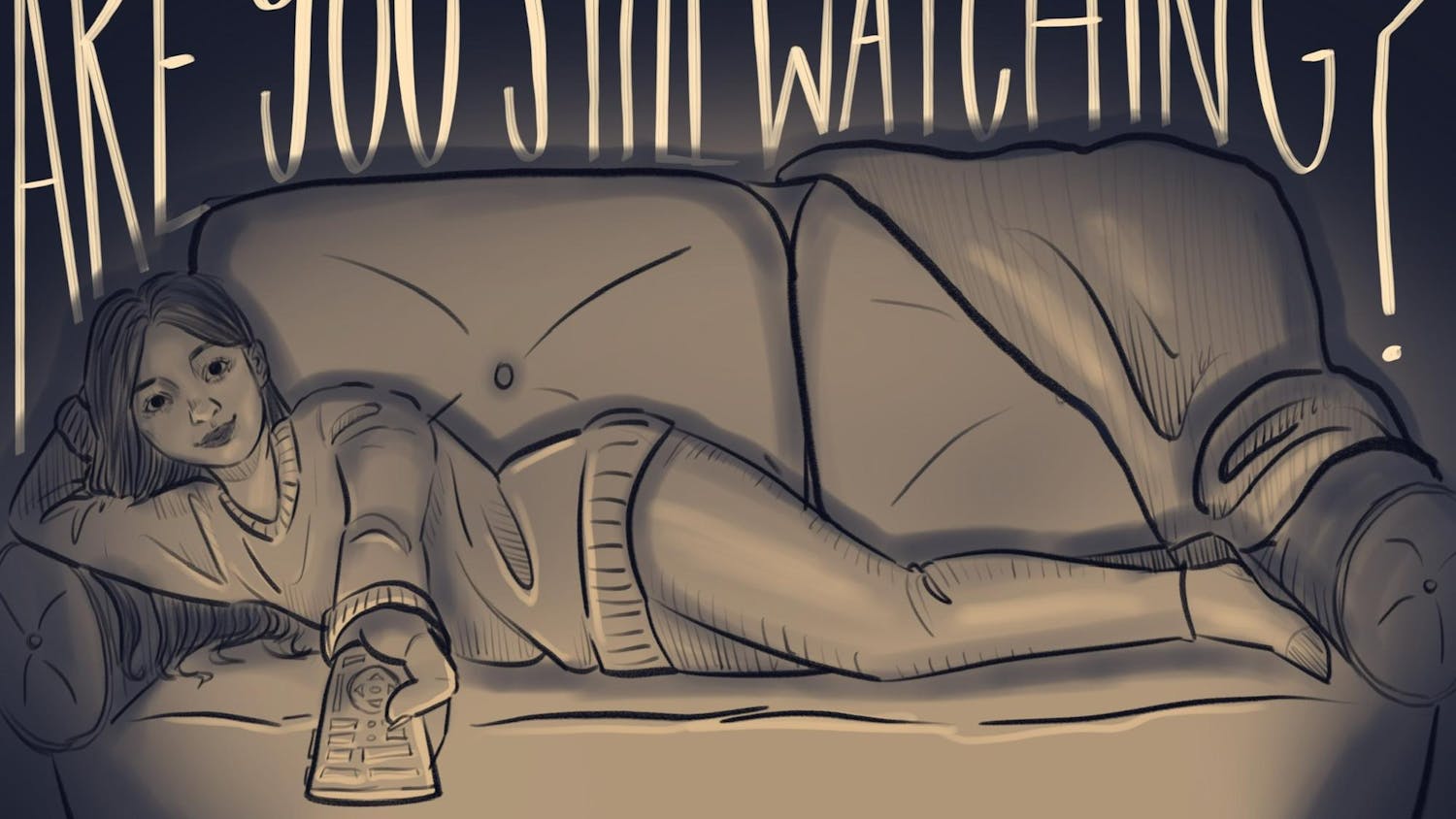
The most important reason to listen to albums, however, is that it keeps art alive. Listening to albums is one of the best ways to prioritize and bestow value upon long-form, handmade art. You develop a personal connection to the albums you listen to attentively, like you’ve just sat down and had a long conversation with someone for the first time. Compare that to the world we live in which prioritizes short-form content that’s easier for our ever-declining attention spans to digest. We say it is inconvenient to listen to an hour of new music hoping to find pleasure rather than watch a reel from an algorithm “we” have conformed to our sense of humor so perfectly that every 30 seconds we burst out laughing.
Unknowingly, we have devalued and commodified art. Just as Shein has suffocated fashion of any beauty or humanity, we ignore the artistic value of what we consume so long as it still gives us dopamine. But if you’re reading an Arts & Culture piece, chances are you envision yourself less not as easily entertained, but more as a connoisseur who romanticizes media, and there is certainly little to romanticize about a curated For You Page. Listening to albums in full is one of the best ways to rescue your attention span from the claws of brainrot.
Music has been there for me throughout my development as a person. I’ve been listening to music voraciously for about five years now and I have nearly 12,000 liked songs on Spotify as a result of listening to albums nonstop. Listening to so much music has made me educated and introduced me to many of humanity’s greatest songs, but I regret not journaling about the music I listened to each day just as I regret not journaling what I’m thinking about or what’s happening in my life for my future self to read.
So if you want to be intentional in your music consumption, listen to one new album every day and write a short paragraph about it. I sent my thoughts to my friends, thinking it might annoy them, but when I eventually stopped they lamented its absence. If you want someone to keep you accountable, share your album streak with your friends too. I won’t tell you what to listen to — I’m not your dad — but I do suggest visiting one of the websites I linked if you would like somewhere to start. I wish you the best of luck in blessing your ears with what the world has to offer.
Gustavo Ponzoa is a member of the Class of 2029 in the College of Arts and Sciences. He is a staff writer for the Arts & Culture department and can be reached at gap87@cornell.edu.