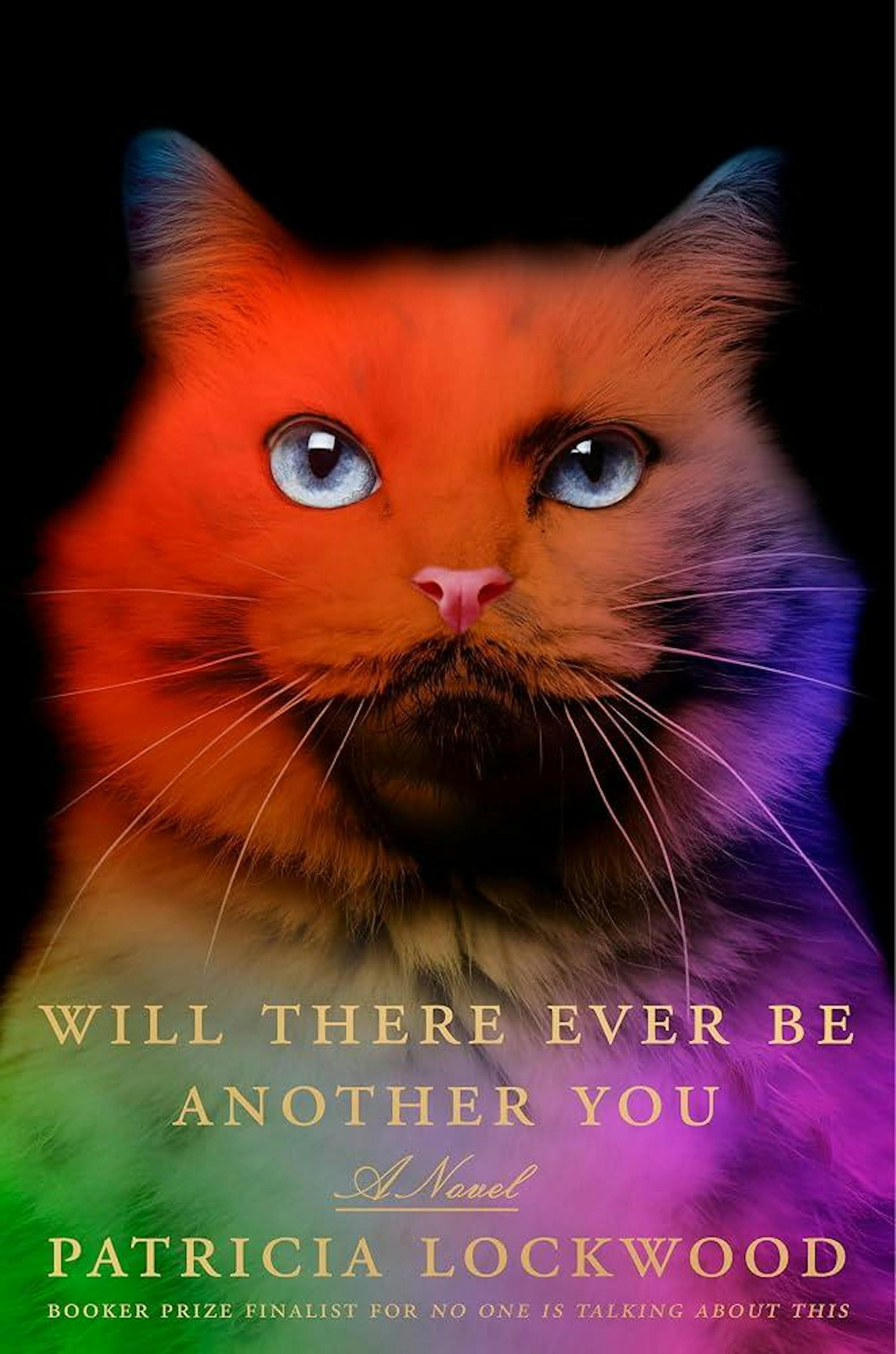
When author Patricia Lockwood contracted COVID-19 in March 2020, one effect was that, during her illness-induced delirium, she found herself no longer able to read. This disorienting experience inspired Lockwood’s London Review of Books article “Insane after coronavirus?” as well as her most recent novel, Will There Ever Be Another You. The ordeal was also featured prominently during Lockwood’s Sept. 13 talk at Buffalo Street Books, which took place as part of the Ithaca is Books Festival.
Prof. Anna Shechtman, English, discussed Lockwood’s writings with the author during the event. Early in the conversation, Shechtman observed that scenes of reading instruction recur throughout Lockwood’s body of work, most notably in Will There Ever Be Another You; the protagonist, experiencing a similar type of delirium and sudden illiteracy to Lockwood’s own COVID episode, must re-teach herself how to read. At one point, the novel follows the protagonist’s journey through reading Leo Tolstoy’s Anna Karenina. During her talk, Lockwood explained that this scene was heavily based on her own experience of reading Tolstoy’s novel in the cognitive haze of illness.
As Shechtman pointed out, Lockwood pays very little attention to the concrete physical symptoms of COVID in her novel. Lockwood explained that she was less interested in how her sickness manifested physically and much more interested in the strange, altered mental state experienced by both herself and her protagonist. Strangeness seems to be a recurring topic of interest in Lockwood’s work. In fact, during her conversation with Shechtman, she recounted offering writing advice to her niece in the form of a guiding question: “Is there a time you have ever felt weird, and what was that like?”
Beyond the illness-induced delusion that is the focus of Will There Ever Be Another You, Lockwood’s work explores other kinds of strangeness as well. Her 2017 memoir Priestdaddy, which chronicles her experience of moving back in with her Catholic priest father, approaches family dysfunction with her characteristic attunement to the absurdity of the people around her.
On another note, her 2021 novel No One Is Talking About This captures the chaos, vitriol and utter ridiculousness of the internet through fragments of content that the protagonist sees in “the portal.” Many contemporary novels completely miss the mark when trying to capture online life, but Lockwood’s willingness to embrace the absurd allows her to vividly convey the paradoxical feeling of isolation that can emerge amid the constant connectivity afforded by the internet.
Leaning into strangeness can also be a valuable way to address difficult life experiences. During the Q&A session after the talk, one audience member made the observation that, though Lockwood’s literary criticism focuses on authors who are now dead, she writes with brutal honesty about her still-living family members. In response, Lockwood shared that, as raw and unfiltered as her work feels to readers, she keeps some experiences to herself. “I write more lovingly than I am able to feel,” she said. She tends to gravitate toward depicting the aspects of the characters in her life that make them lovable. (How can you hate a father who describes a shark as “nature’s perfect shape”?) As a result, her writing keeps its characteristic deadpan humor even when tackling heavy, potentially traumatic subjects.
This capacity to bring humor to situations that feel hopeless, infuriating or deeply hurtful is one of Lockwood’s powers as a writer. She expressed a sentiment, undoubtedly resonant to many of the lifelong readers present at Buffalo Street Books, that reading has always been her primary mechanism for making sense of the world; writing, too, can bring her perspective and understanding. Because reading and writing are such essential processing tools, Lockwood’s sudden inability to read during her illness suggests far more than a simple loss of an enjoyable pastime. Without reading, the fundamentals of her relationship to the world around her had to change. I find it poetic that, once she regained her reading and writing abilities, she wrote a novel inspired by this very experience. Though she was unable to make sense of her experiences using the written word at the time, she has now been able to process the situation through writing in retrospect.
Raina Lockwood is a member of the Class of 2027 in the College of Arts and Sciences. She is a staff writer for the Arts & Culture department and can be reached at rl978@cornell.edu.