This summer gave me a taste of what Ithaca is like — the real Ithaca, full of gritty, passionate people. The City of Ithaca shaped by decades of inequality and disconnect from those in power. The Ithaca most students don’t dare to venture down to, spare the Apple Fest and occasional fraternity formal.
My fellowship tasked me with producing approximately three articles per week, and I was given creative freedom to write and research my pitches independently, with support from my two editors. Whether I was covering an event, scheduling an interview or revising my pieces at The Sun office, I ended up off-campus exploring parts of Ithaca I’d never seen.
As a proud writer and editor for The Cornell Daily Sun, I’m taught to look for things that seem out of the ordinary — thankfully, the City of Ithaca has no shortage of abnormalities. Unconventional businesses, community festivals filled with art and stories of human connection are everywhere.
Spending a summer in Ithaca was lonely, and daunting at first. I knew almost nobody, and had the task of familiarizing myself with the city’s community in just under three months. However, the time I spent downtown taught me an important lesson: the value of slowing down and observing. As an editor, my typical schedule is packed to the brim with late nights, hard deadlines and constant pressure. My fellowship experience could not have been further from that.
Many days I would end up walking downtown and enjoying the scenery, brainstorming ideas without a pitch in mind. The workflow was constant, but not oppressive. Oftentimes, story ideas would come serendipitously — a purchase of a new bike led to a story about an eccentric bike shop, an unmissable heat wave brought an opportunity to highlight community resources, a car show hosted right outside of The Sun’s office led to a photo gallery. I believe that with this extra time I was afforded, I grew both as a writer and as a person — someone able to slow down, take in all the information I can and produce the best account possible.
I can’t discuss my summer experience without shouting out my two editors, Kate Turk ’27 and Varsha Bhargava ’27, the assistant managing editor and the managing editor of The Sun. Both of them spent as much time as I did tackling stories with me, oftentimes accompanying me to events, helping take photos and constantly searching for story ideas alongside me. I simply wouldn’t have been able to publish as extensive and accurate of a story as my coverage on the Telluride Association Summer Seminar without them. Through multiple rounds of edits, phone calls with lawyers, navigating interviews with high schoolers and more, Varsha and Kate were by my side giving guidance and support. This was the case for most, if not all of my articles, with the Telluride piece being the most glaring example (and the one that stole the most of our sleep).
We were also privileged to spend time working on the Class of 2030 freshman print edition which gets mailed to all first-year students, where the three of us used our Adobe InDesign skills to create a 50+ page paper. I became vastly more comfortable and knowledgeable about what goes into making a print paper and was incredibly proud of the work we put into it.
Now I’d like to transition to talk about some more pieces that I enjoyed writing this summer.
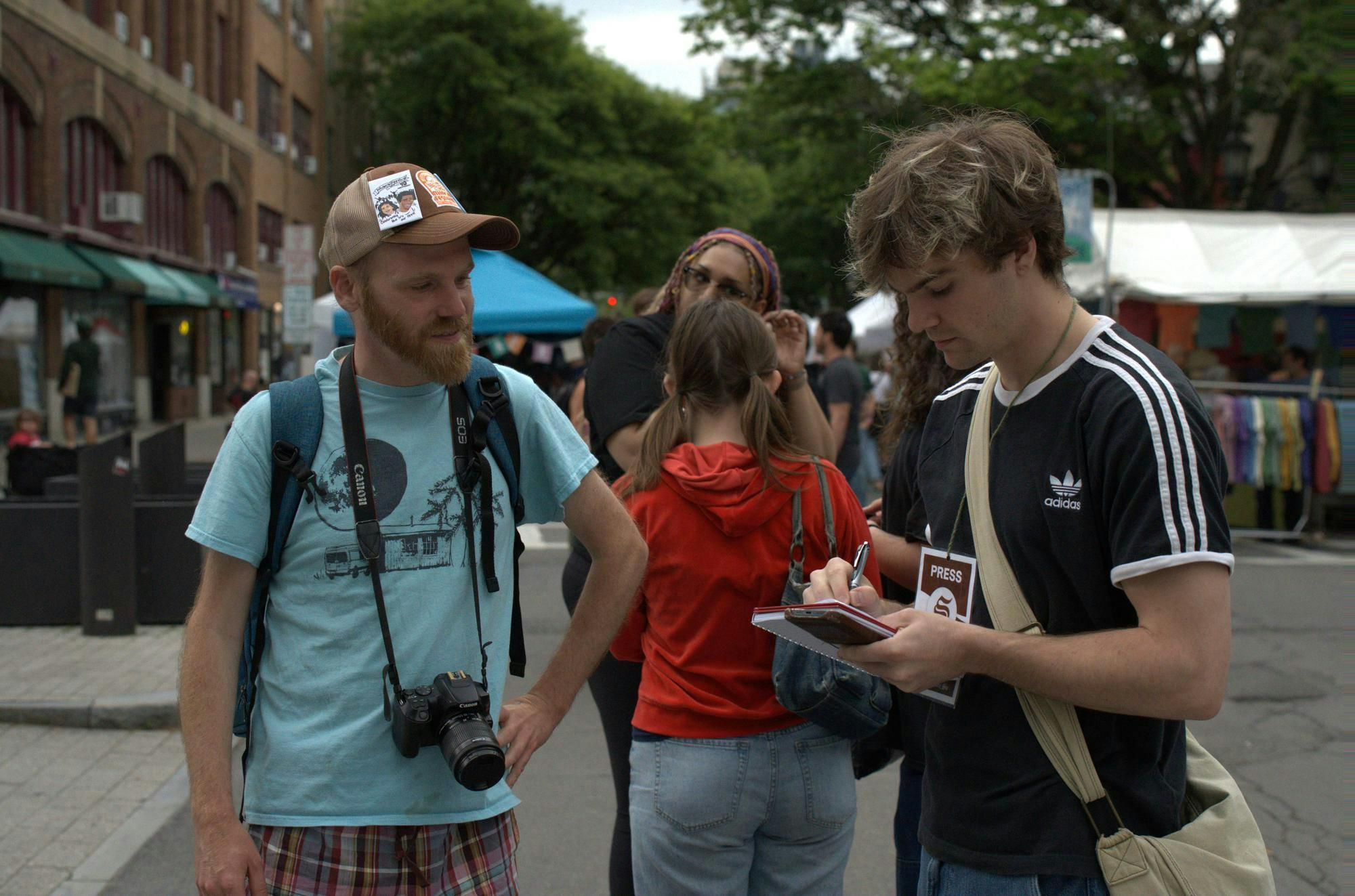
At the Southside Community Center’s Juneteenth Festival, I met and interviewed a wide number of people who were passionate about supporting Ithaca’s Black community and its next generation, each in their own way. Each new person I talked to broadened my understanding of the issues the community center faces as a safe space for Black residents in Ithaca and what steps people are taking to resolve them.
Another standout was the Air Quality Advisory piece, specifically the photos. For this photo essay/article, I traveled around what felt like a post-apocalyptic wasteland void of people, with a yellow haze blanketing Cornell’s campus. I used The Sun’s camera and explored the art of photography in ways that I never would have as a regular writer.
My coverage of the Ithaca Fest was memorable because of the community present and the size of the event. I had never attended, and I encourage anyone who can to experience the parade in person. Downtown Ithaca was packed throughout the weekend, and I was able to meet organizers and locals who were excited to reconnect with other community members after the students were gone. A notable highlight was the parade, which Kate photographed — most of the floats were handmade, adding a unique charm that I had never seen before.
Interviewing local cycling legend Glenn Swan was another favorite of mine. Glenn is a character in his own right, and was willing to sit down and give me hours worth of lore which made for an enjoyable and somewhat hilarious writing experience.
Finally, I can’t discuss this fellowship without mentioning my coverage of Austin Franco, which ended up becoming the most viewed article of all time on The Sun’s website, with approximately 95,000 page views. Through my sources as a Cornell student, I was able to speak with both Franco and Gabe Einhorn — the person he wrote the message to — before most other news outlets, which I believe is why the article gained so much traction. A Fox News correspondent even reached out and asked for my source (which I did not give to her, per policy).
To close this out, I want to transition to some key takeaways I had from my unique position as a Cornell Sun reporter.
Being a reporter gives me the special privilege of hearing people’s opinions, warranted or not.
As a reporter representing Cornell, however (even just by name), the people of Ithaca have even more to say. I noticed many times a shift in conversation when I bring up the inevitable fact that I am, in fact, a student and reporter that represents one of the largest, most powerful and most controversial institutions in the world. In my opinion, that is exactly what makes this fellowship so important.
I am someone who grew up around a strong community. I come from a small town about an hour away called Tully, where it’s rumored that the cows outnumber the people. I learned to appreciate the celebrations, fundraisers, food pantries and more that seemed so ingrained in our community. When someone was in need, we helped them out with what we had.
Yet, many of the Ithacans I spoke to this summer shared the opinion that Cornell, with all its resources, money and students, is doing less than it should for its community. Students aren’t coming downtown and supporting the local economy as much as they used to. Gentrification is rising, and one of Ithaca’s historically Black neighborhoods and community centers is struggling to support families as programs are being cut. Marginalized communities are feeling the weight under the current presidential administration, needing more and more support as policies target them.
So what can we, as writers, Cornell students and people who care, do to support the people of Ithaca?
I can’t simply walk up to the president and ask him to tell the entirety of the student body to go downtown and learn some history. As an objective journalist, I can’t even give you my opinion on whether or not you should take the bus down the hill and spend a free day walking around the neighborhoods as I did this summer, taking in the scenery and unique community of Ithaca. I can’t tell you to attend more local festivals and concerts, and volunteer with organizations like Southside Community Center and Ithaca Pride Alliance, who are dedicated to supporting all members of Ithaca’s community.
What I can do, however, is give a voice to the people who say you should. Journalism is a powerful tool, and with it I began to bridge the gap between Cornell, its students and the city of Ithaca.
This summer I bore witness to rallies, protests, people ranting about god-knows-what, businesses shutting down and pissed-off locals. I attended beautiful celebrations of community, art and music and met passionate, creative people who dedicate their lives to planning festivals that celebrate the community they’re a part of. I wrote down as much as I could, in the best and most accurate way I knew how to. In retrospect, I still feel as though I barely scratched the surface of what Ithaca had to offer.
There are countless businesses and people left un-interviewed, thousands more stories of injustices, crimes, politics and more to cover — something I hope future recipients of the fellowship will get to follow up on, as my articles are just the beginning. Hopefully this will occur in greater volume and with well-compensated editors.
Writing for The Sun this summer led me to learn about and bring attention to issues that affect people daily, all the while improving my writing skills and building connections with fellow community members and my two editors who were along for the ride. All I did was build the foundation to bridge the gap — now it’s up to more passionate writers to follow.

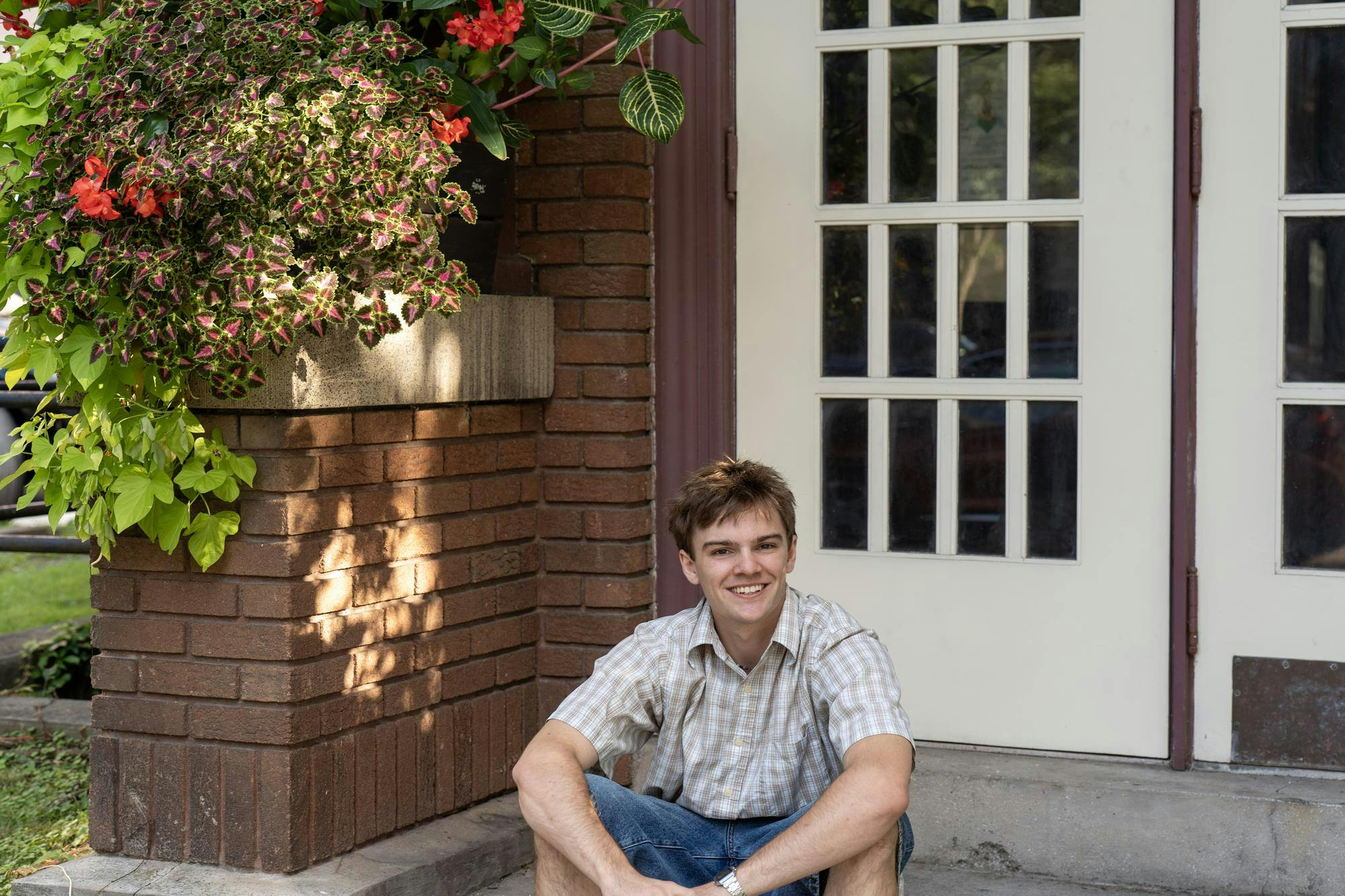
Everett Chambala is a member of the Class of 2027 in the School of Industrial and Labor Relations. He is an assistant news editor for the 144th Editorial Board and can be reached at echambala@cornellsun.com.