

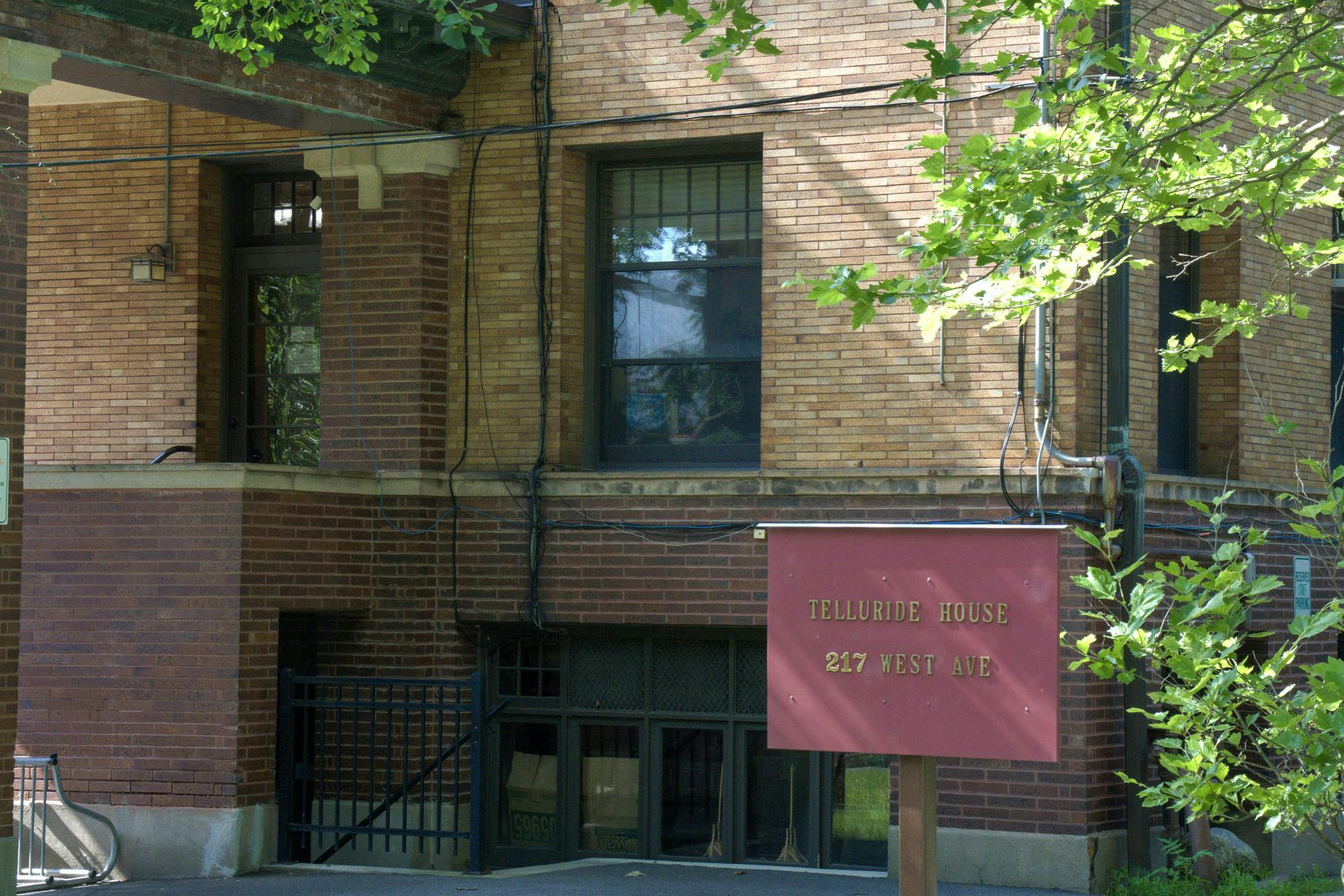
The Telluride Association Summer Seminar in Ithaca, a prestigious humanities program for high school students located on Cornell’s campus, sent its students home less than halfway through the program following staff departures.
TASS is an all-expenses-paid residential summer program for rising 11th and 12th graders that requires multiple application rounds, essays and interviews to get in, according to a TASS student. In the Ithaca session, students learned about power and social structures through an “Anti Oppressive Studies” curriculum. The program is not affiliated with Cornell and was scheduled to run for five weeks, but was cut short on July 3 — less than two weeks in.
According to TASS students, the residential staff reduced daytime activities the week before the early closure, claiming they were overworked and not paid for it. Additionally, a student shared that “almost every single student” in the cohort of 36 high schoolers wrote letters in support for the staff to the TASS administration, one of which was obtained by The Sun.
The Telluride Association released a statement written by Susan Sargent, the association’s communications and development manager, on July 5 explaining the closure. She wrote that the summer seminar failed to meet New York summer camp licensing regulations after a “series of staff departures” which were “all unrelated to each other.”
Sargent told The Sun that three staff members resigned before the closure – one during the first week of training, one during the second week of training and one during the second week of the program.
This marks the first time in TASS’ history of over 70 years that the program has closed early, according to Sargent.
“While we recognize how disappointing this is for students, families, staff, and alumni, we believe it is the responsible course of action,” said Amina Omari ’04, executive director of the Telluride Association in the statement.
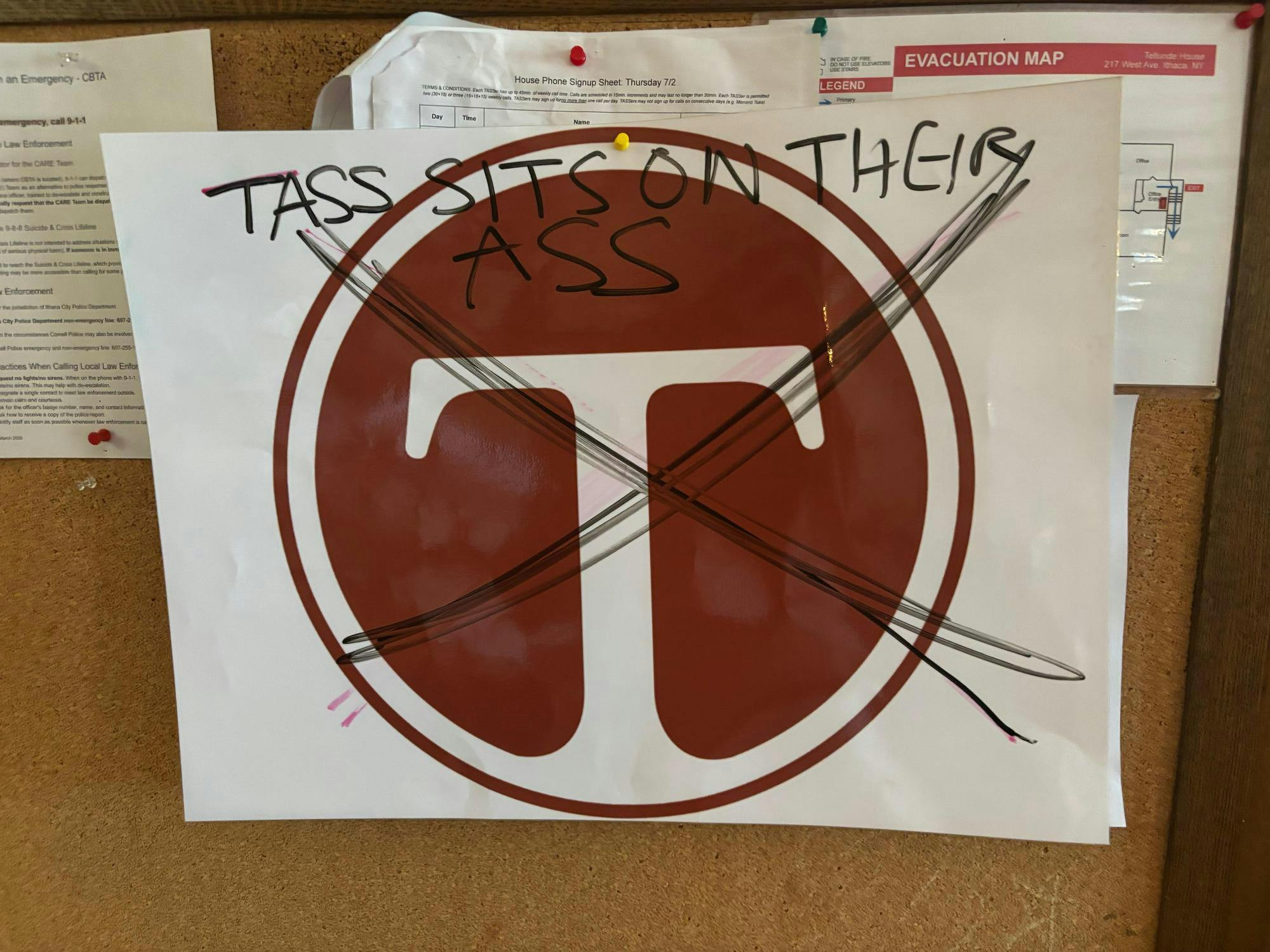
Students also protested in support of the residential staff following the program’s closure, making signs and organizing a sit-in in response to a curfew set on the night of July 4.
Three TASS students, who were granted anonymity by The Sun, shared feelings of distress following the closure, frustration for the residential staff and criticism of the TASS program as a whole.
“When [TASS] said they shut down, I was devastated,” one rising junior said. “Everyone worked very hard to come here.”
Staffing Issues
According to one rising senior, the program’s assistant camp director, who departed before the program began, marked the first staff departure they learned about. This departure forced a resident advisor to take on the assistant camp director’s role, the rising senior said.
The students also alleged that Camp Director Alan van den Arend was absent for a majority of the program’s second week, which spanned June 29 through July 3, leaving residential staff with long hours and extra responsibilities.
In one student’s letter to administrators, they wrote that when van den Arend was present, he “sowed disdain and animosity” among staff and students.
Van den Arend disputed the claims about his absence in a statement to The Sun, and said he took on extra responsibilities during the staff shortage, including waking up students and walking them to class. He also explained that his absence was due to illness.
“Complaints about pay and job duties began surfacing” around June 28, he wrote. After hearing these complaints, his supervisor told him to keep communication with staff to “what was strictly necessary,” he wrote, in order to leave Omari and Asia Cleggett, the summer program director, as the students’ and staff’s primary points of contact for complaints.
He added that he “complied with all of [his] employer’s attendance policies throughout the program” — he wrote that he went into work on both June 30 and July 1, but left early due to illness, and he was not scheduled to work on July 2.
When asked about these claims, Omari and Cleggett did not respond to a request for comment.
“The residential team told me that they felt stretched thin, and I did my best to step up wherever and whenever it was needed,” van den Arend wrote.
According to the rising senior, the final departure occurred during the second week of camp, when they said a teaching assistant left after hearing about the poor treatment of the residential staff.
The students and administrators did not comment on the other staff departure which occurred during training.
Sargent said that the departures were “unrelated” but did not comment on the specific reasons behind each departure.
Starting July 1, the residential staff rescheduled all of the students’ group activities to take place after dinner, beginning at 7 p.m., according to the rising senior.
On the morning of July 3, the residential staff met with the students and explained that the schedule change was actually a protest tactic. From 9 a.m. to 5 p.m., the residential staff made it appear to TASS administrators that they were doing “technically nothing,” but the students would still be able to benefit from the activities later in the day, according to the rising senior.
The staff told students that, throughout the first two weeks of camp, they were working “way above” their scheduled hours without extra compensation, according to the rising junior.
Resident advisors are expected to work approximately 45 hours during the program period, according to their position description, which The Sun obtained.
The residential staff told students that the combination of the overworking and an inability to contact van den Arend led the residential staff to take action, according to the same rising junior.
The students convened after the meeting and decided to support the staff, according to the three students.
“After much deliberation and discussion, we decided that we will stand as our own student independent body in support of the residential staff, because they truly had been there for us throughout the program,” the rising junior told The Sun. “They had been there for every need, even when the hours were long.”
Omari and Cleggett did not respond to a request for comment when asked about the residential staff’s protest tactic.
“The residential staff you feel content to neglect are the people that have made our TASS experience the fullest,” a student wrote in their letter.
The Closure
The students learned of the program’s closure later that afternoon, after they met with residential staff and wrote their letters to administrators. Omari and van den Arend conducted a meeting with students, explaining that the program was shutting down for the summer and that students would be sent home over the next two days, according to the rising senior and two rising juniors. The students’ transportation home was reimbursed by the Telluride Association.
When the students questioned van den Arend’s absence, reasons for the shutdown and staff issues, they were met with “vague answers” from Omari, according to the second rising junior.
“In my opinion, the reason why they shut down the program was because they weren’t willing to pay their staff,” the first rising junior said. The second rising junior echoed this statement, claiming they believed there was a “bigger issue going on.”
“We really take a lot of time to assess our pay and pay scales, and pay working hour expectations,” Sargent told The Sun. “All of that was clearly communicated in the hiring process.”
All of the students left the house by July 7, according to Sargent.
Tensions Growing
After the program’s closure was announced, administrators informed the students and staff on July 3 that “off-site activities were not permitted” for the remainder of their stay due to “student supervisory requirements,” according to a statement from Sargent. Food concerns and disagreements about authority led to clashes between the students and administrators the next day.
On July 4, one of the residential staff helped the students make breakfast since they could not leave the house and the cooking staff was on holiday leave, according to the rising senior. The rising senior said that 10 students “did their own thing” for food, since there wasn’t enough for them.
“This might not seem as much of a big deal, because it was 16 [and] 17 year olds, but it was not our job to be cooking breakfast for ourselves,” the first rising junior said.
Sargent disputed some of the students’ claims in an interview with The Sun.
“Some of the students chose to make themselves food, but there was plenty of prepared food available,” she said. “These are teenagers, so they are perfectly capable of preparing food if they had something they would prefer to eat.”
Disagreements continued into the afternoon, when students attempted to leave the house for dinner and Omari initially stood at the door, blocking them from leaving, before offering leftovers, some of which students claimed were approximately a week old. They would eventually order a pizza and use DoorDash to get dinner.
Van den Arend claimed these accounts were “unfounded,” and that the campers had the option of a “meal Telluride chefs had prepared,” but chose to order pizza which took over two hours to arrive due to the Fourth of July holiday.
Sargent also commented on the food situation in a statement to The Sun.
“A fully stocked kitchen, prepared meals, convenience foods, and fresh fruits and vegetables were available to the students at all times during their stay,” Sargent wrote.
The Sit-In and Police Call
Students staged a sit-in protest on Saturday where they refused to leave the main area of the house and hung up signs that criticized TASS administrators. This was done in response to a 9 p.m. curfew imposed by administrators because of early morning flights.
During the sit-in, one student sat on the couch and refused to move, according to a rising junior, which led to an administrator recording the student for “insurance purposes,” according to van den Arend. The student’s parents called the Ithaca Police Department, and the officers arrived at 1 a.m. to do a wellness check amid a “claim that the campers were not being fed,” van den Arend wrote.
Van den Arend wrote that he showed the officers the house’s dining area with stocked food and beverages, and provided them with a media waiver that the student’s parents had signed. Afterwards, the officers left, finding “no issues,” according to van den Arend.
When asked about the incident, Sargent cited the program’s media waiver and signs around the premises saying that they are monitored, claiming it was “not really an issue.”
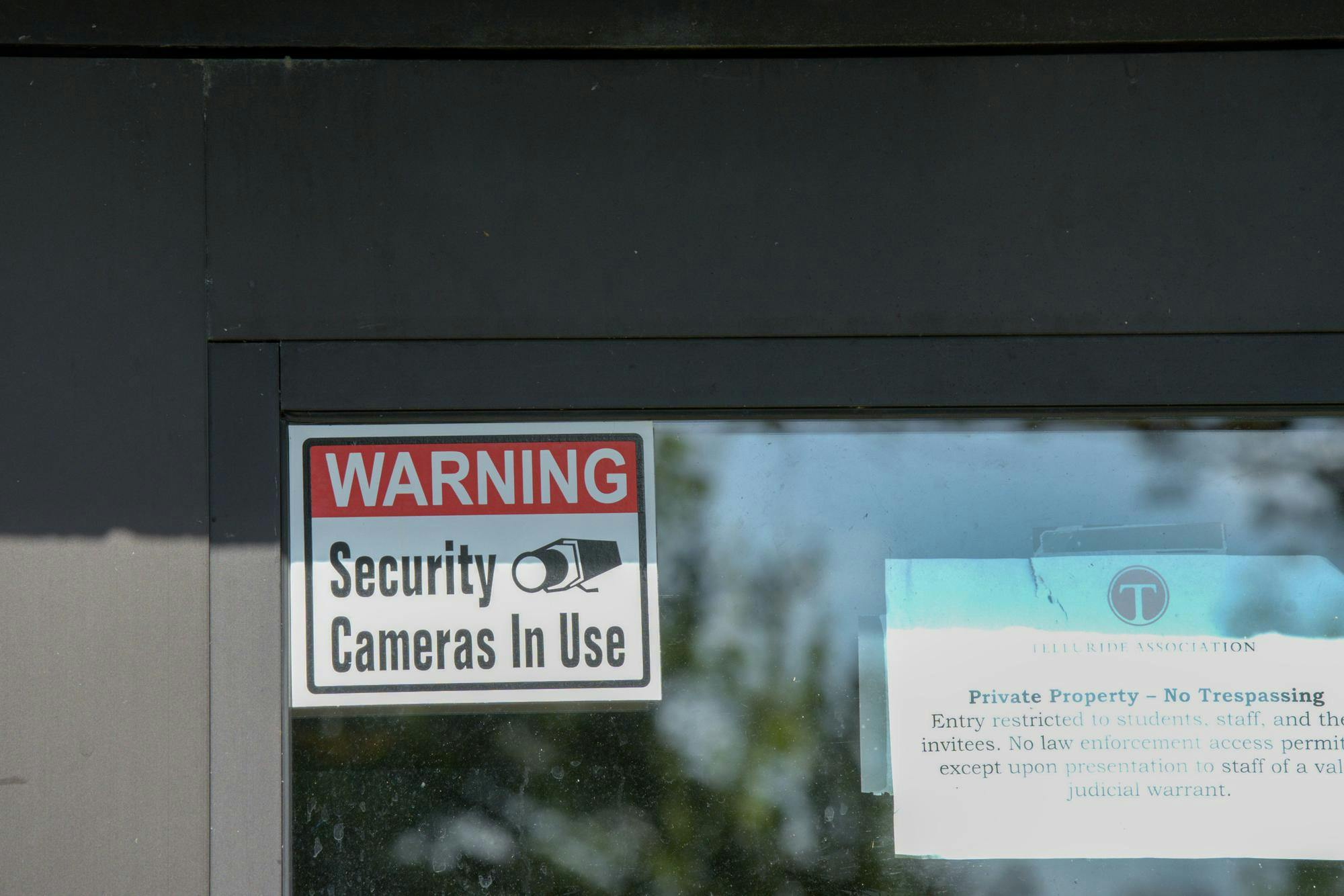
The waiver gives people associated with the Telluride program permission to “capture [the participant’s] name, likeness, image, or voice … for any purpose consistent with the Program’s mission,” according to the waiver, which The Sun obtained.
The Ithaca Police Department did not respond to a request for comment by the time of publication.
The three students expressed disappointment in the program’s early closure, explaining that they were unable to participate in many activities they had planned as a group, including a Fourth of July fireworks celebration and a New York City trip.
“There were better ways to handle the circumstances,” the rising senior said. “All this could have been avoided by compensating the RAs — they claim that they value their students, but when the students themselves speak up … they shut down, so it’s very hypocritical of them.”
The Telluride Administration’s statement explained future plans to communicate with families and avoid similar incidents in the future.
“We are in the process of identifying next steps for the program participants who have demonstrated a desire to continue their educational experience and will update them and their families in the coming days,” Sargent wrote. “Additionally, in the coming months, Telluride plans to fully assess the staffing processes and events to minimize the risk of a similar staffing shortfall in the future.”

Everett Chambala is a member of the Class of 2027 in the School of Industrial and Labor Relations. He is an assistant news editor for the 144th Editorial Board and can be reached at echambala@cornellsun.com.


