Last week, two highly-discussed films hit theaters: The Super Mario Galaxy Movie and The Drama. At first glance, these new releases have nothing in common. One is an animated sequel to 2023’s blockbuster video game adaptation that grossed over $1.3 billion, produced by Nintendo and Illumination and distributed by Universal. The other is an original, mid-budget romantic comedy-drama taking up a much smaller slice of the box office pie, produced by Square Peg and distributed by A24.
Now, allow me to ask, especially if you happened to see one of them: Do you know who directed these films? Wrote them? Had any creative contributions to the project? I will give you a hint: The answer is not the name of one of the companies I just listed.
The issue I am getting at is neither new nor exclusive to the artistic medium of film, but its latest incarnation manifests itself in movies like The Super Mario Galaxy Movie and The Drama. I am referring to the common trend of viewers associating a work with its stars or a production studio rather than the hardworking talent behind the camera, in the writers’ or editors’ room or otherwise making real contributions to the final product. And I don’t completely blame them, either; just take a look at the trailers for The Super Mario Galaxy Movie and The Drama respectively and note how there is no mention of the directors or writers in either — even a shoutout in the YouTube video description is a big ask.
Beginning with The Super Mario Galaxy Movie, the film was directed by Aaron Horvath and Michael Jelenic, the same duo behind the first entry in what will surely be a long-lasting franchise. Their previous experience in animation also includes Teen Titans Go! and Teen Titans Go! To the Movies. Meanwhile, Matthew Fogel returned to pen the screenplay, adding to his writing credits that include The Lego Movie 2: The Second Part and Minions: The Rise of Gru.
Unfortunately, very few directors of animated films get proper recognition for their work. Unless you are an extremely well-known animator like Tim Burton or Hayao Miyazaki, audiences are more likely to only know the studio or the actors involved in the movie. Most people are aware that Nintendo owns the Mario intellectual property and they may even recognize the animation style of Illumination, but the star-studded voice cast (Chris Pratt, Anya Taylor-Joy, Charlie Day, Jack Black, Keegan-Michael Key, Benny Safdie, Donald Glover, Brie Larson, Glen Powell, etc.) is the nail in the coffin for any hopes of the behind-the-scenes artists receiving any public recognition.
Obviously, since this is a huge film studio’s movie targeting families and shooting for box office over artistic merit, the directors and writer that I identified likely had less creative control over the project than they would if it were an independent film or if they were more established filmmakers. Yet this still should not prevent fans from appreciating the effort Horvath and Jelenic likely put into leading teams of animators, directing the voice actors and overseeing all the little details required to put together this gargantuan feature. And all the artists collaborating with them, like Fogel, deserve to be seen too.
Now, transitioning to The Drama, I cannot emphasize enough that one of my greatest pet peeves is when I hear someone express excitement for “the new A24 movie.” A24 is a film production and distribution company — not a single person making movies that all match the same Pinterest aesthetic. Not once have I seen anyone rave about “the latest Paramount film” or Universal being their favorite studio, so why should it be any different with A24?
Don’t misunderstand me — I love many of the projects that A24 has produced or distributed, but are we seriously going to act like The Moment and The Zone of Interest can be neatly classified under the same umbrella? Granted, creating a strong brand identity and being known for specializing in certain genres (don’t get me started on the concept of “elevated horror”) can help a company compete with the major studios I mentioned earlier. However, when we refer to these works solely as “A24 films,” we remove agency from the creators behind each individual project and give all recognition to the company, thus contributing to the problem of artists remaining anonymous. A similar phenomenon can be observed with many streaming original films and shows.
The Drama was written and directed by Norwegian filmmaker Kristoffer Borgli, whose prior efforts include DRIB, Sick of Myself and Dream Scenario, the last of which was also an A24 production. His movies tend to explore identity, fame, cancel culture and other societal commentary. His style feels distinct, which is why he should not just be lumped into the collective group of directors working for A24.
I would not expect the general public, or even the average moviegoer, to be able to identify the creatives behind every film they buy tickets for. However, if you are even somewhat passionate about cinema, I urge you to carefully consider my words. Upcoming projects like The Backrooms by Kane Parsons, the youngest director in A24 history, provide opportunities for the cultural conversation to shift focus back to the artist, not the brand.
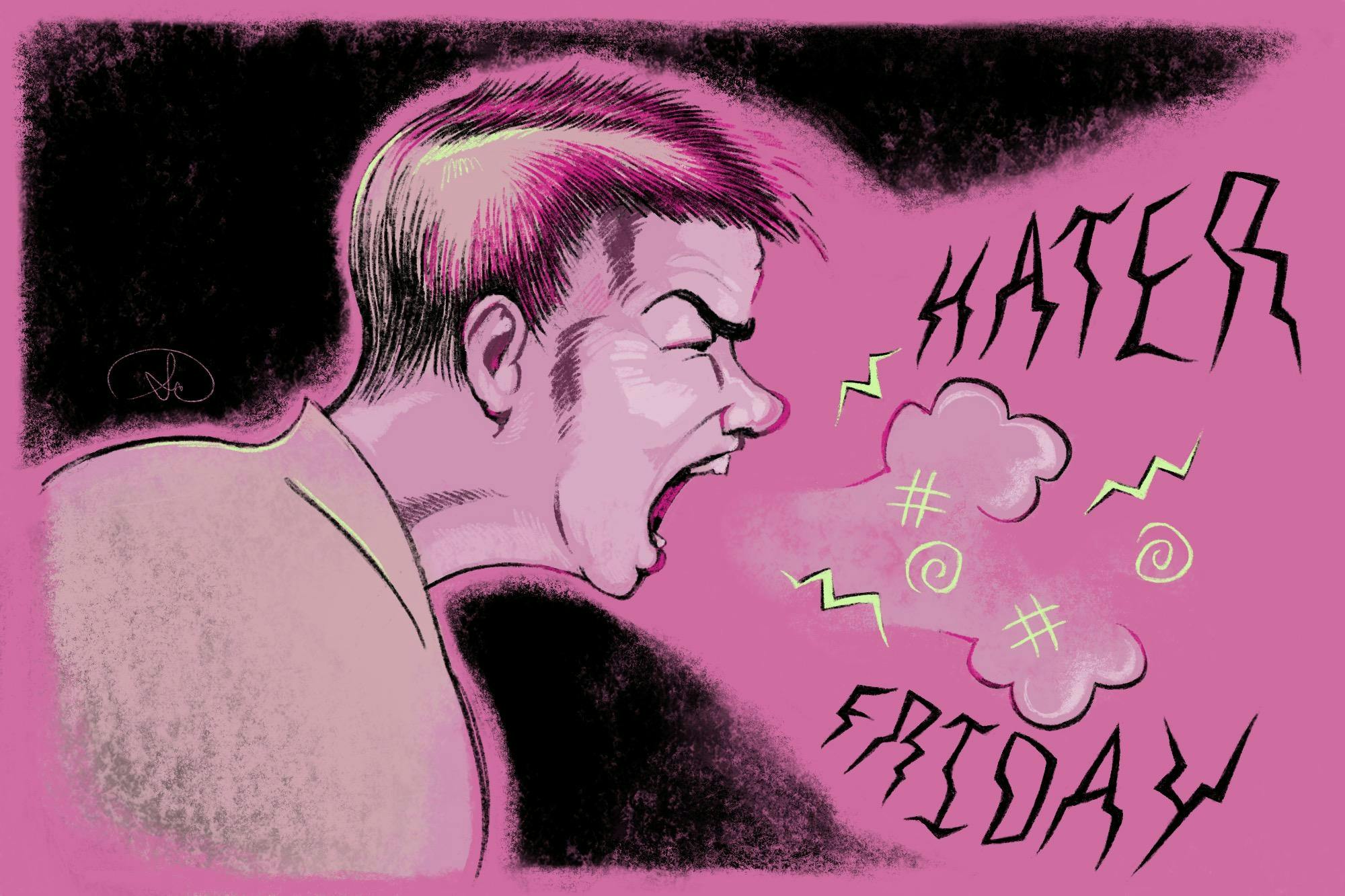
‘Hater Friday’ runs on Fridays and centers around critiquing media or culture.

Colton Sears is a member of the Class of 2028 in the Nolan School of Hotel Administration. He is a staff writer for the Arts & Culture department and can be reached at cds284@cornell.edu.