


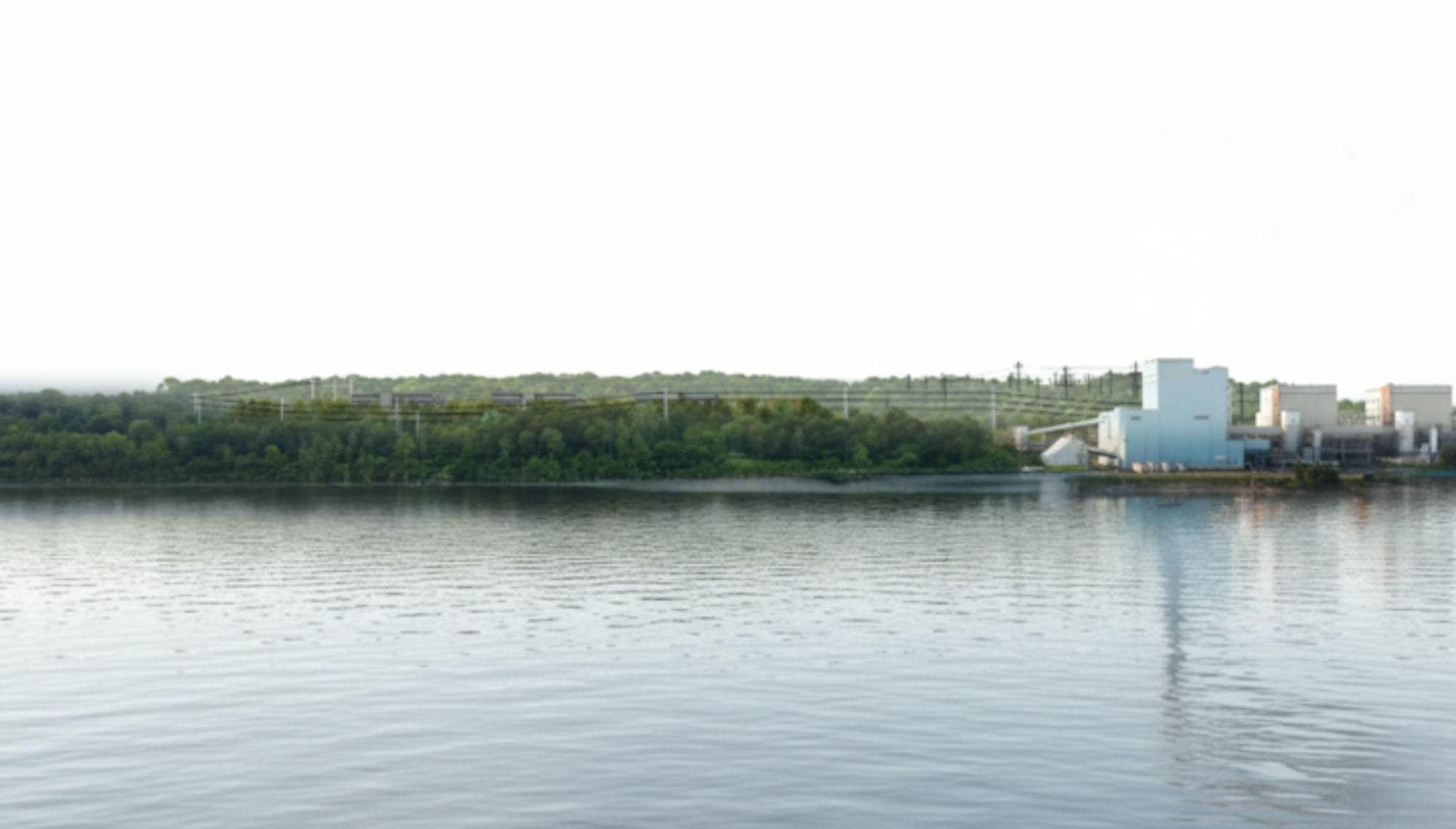
The Lansing Town Board unanimously voted to withdraw its proposed land-use moratorium on development at its Nov. 19 meeting without discussion or explanation, allowing for construction on the controversial TeraWulf Data Center to be able to begin.
This moratorium would have placed a pause on most large-scale developments in Lansing while officials rewrite the zoning code. This time would have been used to adjust the zoning code to set more regulations for future large-scale construction projects in Lansing, according to Board Member Joseph Wetmore at the Nov. 5 Board Meeting. The most contested project this moratorium would have halted was the TeraWulf Data Center, which is slated to start construction in 2026 and has received backlash from many residents. Now, the data center is scheduled to begin construction unopposed.
When constructed, the TeraWulf Data Center will be built on the site of the now-closed Milliken Station power plant on Cayuga Lake. The data center will store information and manage systems for online platforms and artificial intelligence systems.
This project has already been a topic of debate, as many locals stand in opposition of the new data center citing negative environmental impacts and higher energy prices as the main areas of concern. Those who support the data center believe that the project will bring economic benefits, including more jobs and tax revenue.
Originally, at the Lansing Town Board’s Nov. 5 meeting, the Board voted 3-2 not to withdraw the moratorium. The scheduled Nov. 19 meeting was originally supposed to be a public hearing to vote on the passage of the moratorium. However, less than a week before the meeting, the Board issued a press release saying that they were going to be reconsidering the withdrawal of the moratorium and voting on that at the Nov. 19 meeting instead.
There were also threats of legal action against Wetmore and Town Supervisor Ruth Gross from TeraWulf due to their involvement on the Lansing Listserv, where they allegedly violated Open Meeting laws in discussion forms when answering questions about the data center.
The Nov. 19 meeting hosted many attendees in support of both sides of the issue. Many spoke during the 20-minute open floor period. It was a packed meeting, and board members continually asked attendees to leave after they finished speaking to allow for those waiting outside to be let in.
Philip Gillemot, property owner in Schuyler County, spoke out about his disappointment with the Board’s decision to withdraw the moratorium, as he worries about the environmental effects. If such a large-scale operation were to occur in Lansing, Gillemot said, the Board must focus on holding TeraWulf accountable. He suggested the Board pass regulations ensuring TeraWulf uses clean energy, has a noise abatement to protect humans and wildlife and does not use any of the lake water in their cooling process.
“Please think of our community members, their children, our wildlife, our environment and our future,” Gillemot said. “Our community is ours to love and protect.”
Other speakers reiterated many of Gillemot’s concerns, citing worries that this project would be detrimental to the environment. Speakers were worried that the center would draw on lake water to cool its servers, harming the ecosystem of Cayuga Lake. They also expressed concerns about greenhouse gas emissions. Others worried that the data center will cause home values in the lake area to decrease significantly over time due to environmental consequences.
Adam Milqua, a representative of TeraWulf, also spoke at the Nov. 19 meeting.
“Thank you for the vote,” Milqua said. “We look forward to working with all board members.”
Doug Boles, co-owner of D-Squared Construction LLC in Lansing, supported the decision to withdraw the moratorium but said the moratorium was a “massive waste of time” as the town had “checks and balances” in place to ensure that projects such as the data center would not harm the community.
In speaking to the Board, he also expressed his frustration with their lack of transparency and communication throughout the process.
“Leadership is about trying to draw people together,” he said. “And honestly, Mr. Wetmore, Ms. Groff, I think you're about driving us apart.”
Joe Lovejoy, who ran unsuccessfully as a write-in candidate for the town board in the November 2025 election, agreed with Boles. Lovejoy said that the Board allowed for false accusations about the TeraWulf project to spread, as it supported their agenda not to build the data center. He said the Board should have done more to allow for TeraWulf to speak to the public at board meetings to spread information about their project.
Town Supervisor Ruth Groff and Wetmore did not immediately respond to The Sun’s request for comment.
“We're here to build a town. If it's right for our town, then let's push it forward. If it's not, then that's fine,” Lovejoy said. “But we don't even know because you guys won't even let it come in front of the Board.”

Valencia Massaro is a member of the Class of 2029 in the School of Industrial and Labor Relations. She is a senior writer for the news department and can be reached at vmassaro@cornellsun.com.


