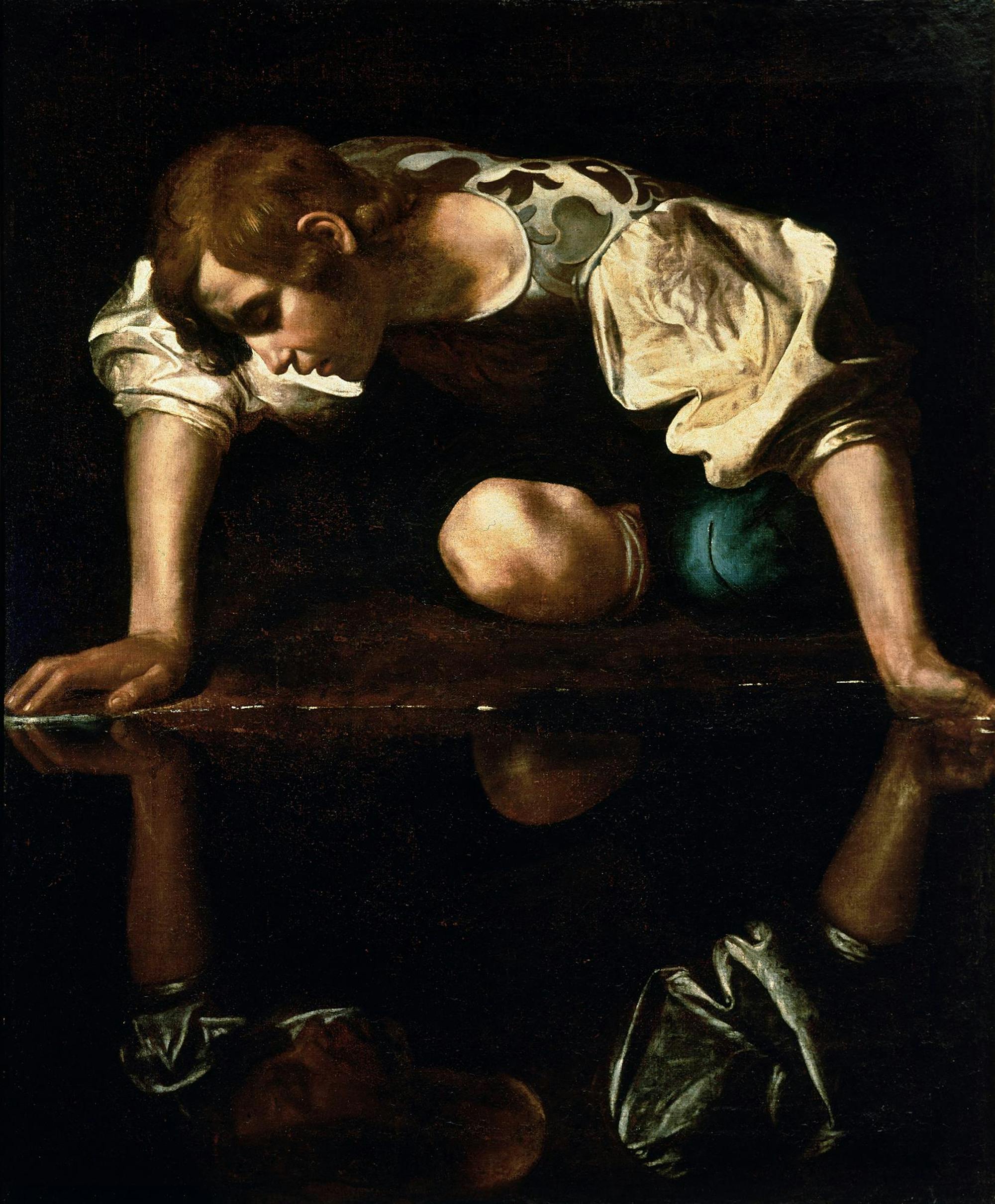
Though this year has spawned a large volume of troubling and tragic headlines, an intense level of attention on social media has been paid to a recent story of seemingly little significance. In early February, looksmaxxing influencer Clavicular visited Arizona State University and found himself “frame mogged” (physically overshadowed) by a student he encountered. Within hours, users flooded social media with content satirically exaggerating the incident’s importance. But what exactly is looksmaxxing, who is Clavicular and why should we care?
For starters, looksmaxxing refers to a process by which people attempt to achieve the greatest possible level of physical beauty. Looksmaxxing communities online propagate supposed methods to increase one’s beauty and theories regarding what traits make a person the most desirable. Methods associated with the trend range from healthy practices like increasing one’s fitness level to dangerous practices like bone smashing and drug/steroid use. Looksmaxxing theories include that of the PSL (an acronym for the incel forums PUAHate, SlutHate and Lookism) Scale, which divides people into categories like ‘Chad,’ ‘High/Mid/Low Tier Normie’ and ‘Subhuman.’
Clavicular (Braden Peters) is just one of many social media influencers who promote these ideas to niche audiences online. At only 20 years old, Clavicular represents just how young the looksmaxxing community truly is. He also embodies many of the toxic behavior and ideas associated with looksmaxxing: Clavicular has used steroids, promoted bone smashing and peptide injections and has appeared alongside problematic Manosphere/alt-right creators.
Before I continue, I should note that a small number of people (predominantly boys and young men) engage with looksmaxxing wholeheartedly. Most people use looksmaxxing terminology and speak of the Clavicular incident in jest, mocking the asinine philosophy of the community. However, it is worthwhile to thoughtfully engage with looksmaxxing’s negative effects as well as how it reflects broader harmful social conceptions.
Looksmaxxing can be particularly detrimental to young people, who may be more likely to perform troublesome looksmaxxing behavior during the intense periods of insecurity associated with adolescence. Additionally, devoting such intense time to ‘ideal’ body types on social media can further cloud our collective concepts of what it means to be beautiful. Looksmaxxing creators often spend significant amounts of time discussing people’s level of attractiveness, which only further contributes to the dehumanizing nature of social media. By focusing on aspects of physical appearance that people have no control over, such creators contribute to a culture that encourages shame and behavior like plastic surgery in lieu of self-acceptance.
On a broader societal scale, I think that looksmaxxing reflects a more extreme version of a harmful underlying philosophy that we, at large, buy into. In The Art of Loving, social psychologist Eric Fromm theorized that, because we generally treat love as a passive attitude rather than an active art form, we engage in something he calls the “personality market.” In this market, we treat each other not as people but as commodities with abstract value. As a result, we spend our time trying to make ourselves more desirable and lovable rather than working on being better lovers. We try to improve our social standing, alter our behaviors and improve our physical appearances all for the purpose of hopefully attaining a partner with the highest “value” possible.
I see reflections of Fromm’s ideas both in more obvious forms on social media and in conversations with my friends. A few weeks ago, I mentioned to a friend that I would be going on a first date with someone, and he immediately responded with one simple question: “Is she bad?” More recently, another friend remarked that she was sad to see so many women posting Valentine’s Day photos on Instagram with men she saw as far less attractive. While mutual physical attraction obviously plays an important role in many relationships, focusing on whether a person could date someone with higher perceived attractiveness reduces love to a game of selfish greed rather than true human connection.
I don’t mean to come across with a holier-than-thou approach either. Over the past few years, I’ve spent far more time focused on improving my physique and wardrobe than time focused on dealing with my personal baggage and shortcomings. I get it. It’s tempting to focus on external improvements since they are so much easier to see success with than internal, emotional growth. Plus, starting to deal with personal issues is daunting: It often requires acknowledging the pain you may have caused yourself or others and directly pointing out your deepest weaknesses. I don’t mean to suggest that you shouldn’t focus on fitness and external appearance at all — focusing on exercise, personal hygiene and style can provide important benefits like improved physical health and self-confidence. However, it is crucial to remember that these focus on external appearance should be done in conjunction with true personal growth, rather than in place of it.
How exactly did we reach this topic of conversation simply from discussing a stupid meme? I’m not sure. Regardless, I hope that we can all work to break down the personality market described by Fromm 70 years ago. By working toward truly loving ourselves and each other, we can shift our focus away from the toxic culture associated with looksmaxxing and push back against the commodification of human identity.
Matthew Rentezelas is a member of the Class of 2028 in the College of Arts and Sciences. He is an assistant arts editor for the 144th Editorial Board and can be reached at mrentezelas@cornellsun.com.