


Editor’s note: This article references sexual assault.
All parties and social events held in Cornell Interfraternity Council houses have been canceled for the rest of the 2026-2027 academic year, President Michael Kotlikoff announced in an email statement Tuesday afternoon.
The directive, effective immediately, indicates that any fraternities that host parties or social events will face an immediate emergency suspension.
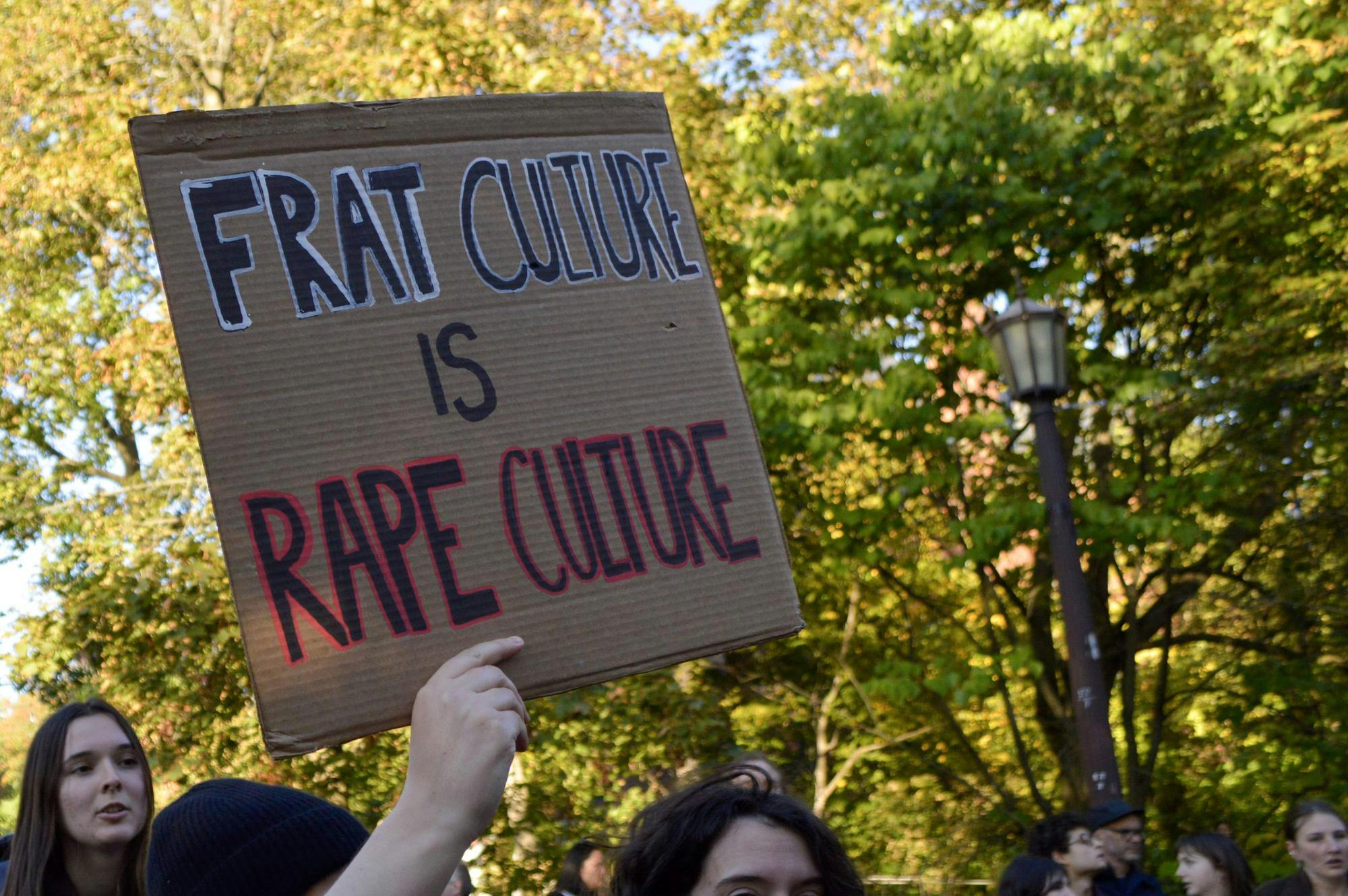
The decision comes amid national uproar following a Sept. 14 lawsuit in which a former Cornell student, identified as Jane Doe, alleged that she was sexually assaulted and gang raped after being coerced into consuming drugs at Cornell’s Chi Phi fraternity house in 2024.
The Ithaca Common Council also voted on Oct. 6 to approve a temporary moratorium on student event permits, which primarily impacts Greek Life organizations.
Kotlikoff wrote that his decision comes after receiving input from across the campus community.
“These conversations, and campus protests, have underscored my deep conviction that we must do better: that the time for meaningful and lasting change at Cornell, and at campuses across the country, is now,” Kotlikoff wrote in the email.
Thousands of students and community members attended a “Justice for Survivors” rally on Ho Plaza on Oct. 5. Students also hosted a seven-hour sit-in at Toni Morrison Dining Hall in solidarity with Jane Doe on Oct. 7.
The measure was put in place to help strengthen campus safety, Kotlikoff wrote, adding that it will allow time for the University to conduct a “thorough review” of fraternity life at Cornell and decide “whether and how” it can safely continue.
“We will immediately engage students and faculty experts in the development of safe social alternatives and invest university resources in their establishment,” Kotlikoff wrote.
Kotlikoff also announced other immediate initiatives to help improve campus safety and support survivors of sexual misconduct, including increasing staff at the Cornell Office of Civil Rights, working with New York State Police to create an independent and trauma-informed criminal investigation process and improving education regarding the bystander effect.
“These are first steps toward systemic change on our campus,” Kotlikoff concluded. “We will take all necessary steps to address the conditions that led to Jane Doe’s experiences, and those of other survivors.”
Individuals facing difficult or harmful situations are encouraged to seek support. Members of the Cornell Community with concerns about rape and sexual assault can contact Cornell Health at 607-255-5155 for 24/7 support, and Victim Advocates from Cornell Health's SHARE Office can provide personal support and assistance.
Members of the Cornell Community may consult with Student Support and Advocacy Services at studentsupport@cornell.edu or call Counseling and Psychological Services at 607-255-5155. Employees can call the Faculty and Staff Assistance Program at 607-255-2673.
For additional resources, visit health.cornell.edu/services/victim-advocacy. An Ithaca-based crisis line is available at 607-272-1616. The Tompkins County-based Advocacy Center is available at 607-277-5000. To report sexual assault, contact Cornell’s Title IX & Sexual Misconduct Office, which can be reached at 607-255-2242 or titleix@cornell.edu.
Zeinab Faraj is a member of the Class of 2028 in the College of Arts and Sciences. She is a senior editor for the 144th Editorial Board. She was a features editor and an assistant sports editor on the 143rd Editorial Board and can be reached at zfaraj@cornellsun.com.


