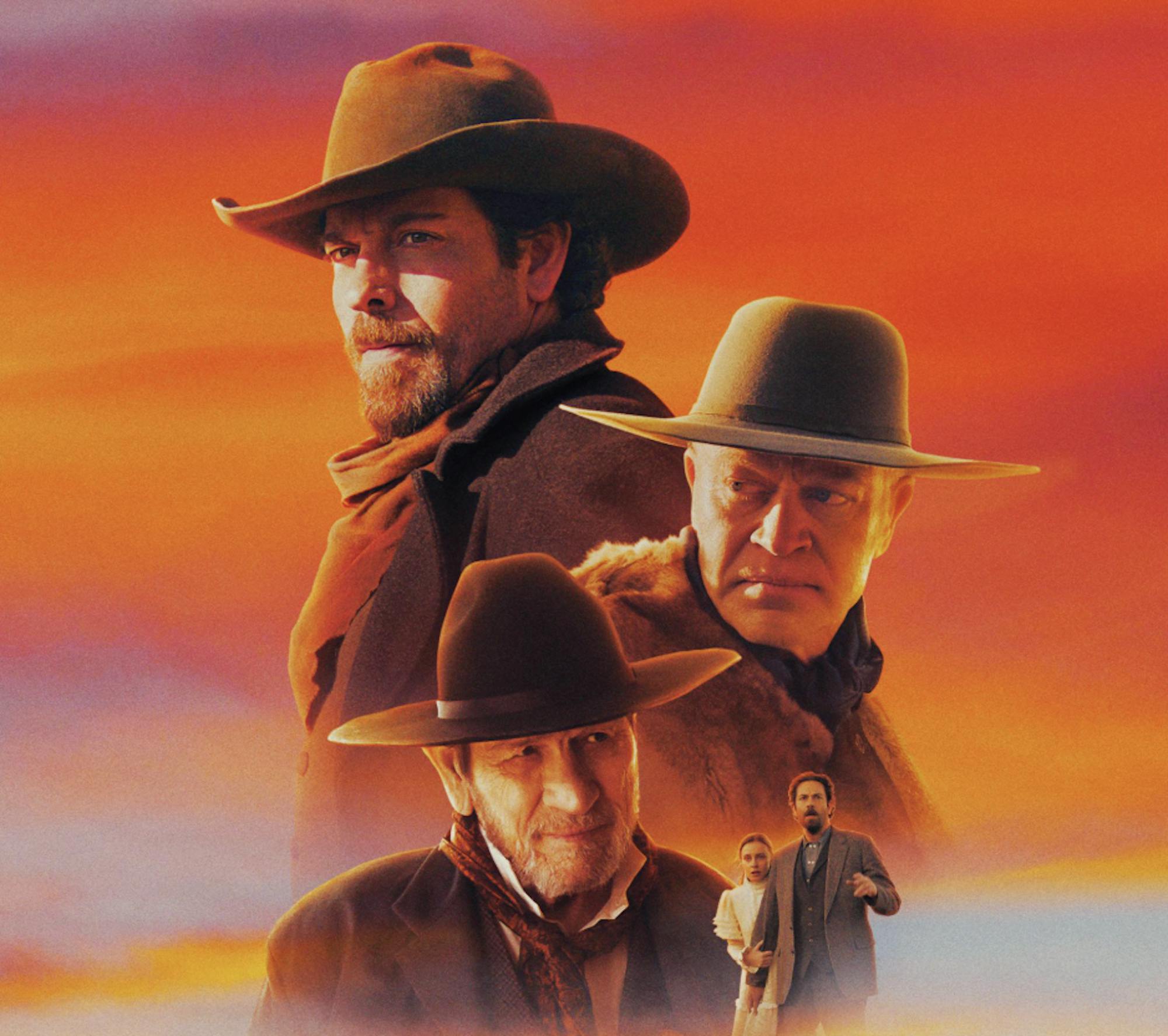
Any cultural revival — whether film, literature or music — poses two important questions: What message is being revived, and why now? Modern adaptations of old films aren’t produced just to spark youthful nostalgia, they’re making a point. Nevertheless, remaking a classic movie runs the risk of botching the original plot and disappointing die-hard fans or, even worse, muddies the waters simply by trying too hard. Angel and the Badman (2026), released on Oct. 9, falls into the latter category. Adapted from the 1947 film of the same name, featuring legendary actor John Wayne, Angel and the Badman is the story of Quirt Evans — the unruly, gun-slinging cowboy turned soft, passive farmer after falling in love. It’s a classic Western, dealing with moral questions of gun violence in a historically bloodthirsty genre, masterfully done by James Edward Grant in the ’40s but subsequently fumbled by Angel Studios today. Whereas the original film was witty, touching and genuine, this ‘revival’ feels bland and cliché, missing the central message of the movie by a mile.
As the lights go down, Quirt Evans (Zachary Levi), injured and alone, collapses near the Worth house. The family takes him in and nurses him back to health as gang leader Laredo Stevens gains on his trail. Ultimately, he falls in love with the family’s oldest daughter, Penelope (Meg Fraser), and is forced to choose between continuing his life as a violent outlaw or settling down with her to become a farmer. Although this narrative naturally tends towards religious pacifism, the new film pushes this Christian idealism much more visibly than the more integrated spiritual undertones of the original movie.
It is rare that I leave a movie theater at a loss for words, even rarer when that loss is attributed to complete disappointment. It wasn’t even the glaring plot holes that struck me the most — although they were baffling nonetheless — but rather the simple details that made a modern film by a significant production company look like a high school film class project.
The Worth family are Quakers living in East Texas, so historically their dress should be simple, modest and strictly upholding gender divides. However, throughout Angel and the Badman (2026), Penelope appeared in a variety of outfits that I can only describe as strikingly modern, wearing men’s work shirts, vests, thick leather belts with elaborate buckles and on one occasion a top that looked unfortunately akin to a saddle blanket with a hole cut for her head. This is a problem that could have been easily solved with 10 minutes of research, which is about how much I conducted to put this together.
Other simple errors that could have been easily avoided include visible tire tracks on the dirt roads on which characters rode in horse-drawn carriages, Penelope having a heavy Texan accent despite neither of her present family members speaking in the same way and bridles with shiny buckles that appear entirely unused on supposed ranch horses. Small details like this make a movie look rushed and cheap, whereas significant pitfalls make it feel hollow.
As someone who was entirely captivated by the 1947 Angel and the Badman, the most crushing thing about this remake is the glaring lack of Quirt Evans’ character arc. Quirt’s defining prop is his gun, and the overall purpose of the movie is for him to break away from his violent tendencies and drastically alter the course of his life by becoming a pacifist farmer. Without that plotline, where’s the movie? The original film puts the Worth family at odds with the gun, leaning on their deeply seated moral values that stem from Quakerism. The remake does not take up an anti-firearm stance, somewhat unsurprising considering the political orientation of Angel Studios — the company has a tendency to orient their films toward a religious, right-leaning audience. Granted, Quirt’s gun appeared in Angel and the Badman (2026) and he made occasional reference to it, but it made no comparison to the desperate dependence on the weapon that John Wayne’s Quirt Evans displayed. This classic Quirt couldn’t bear to be without his revolver, keeping it within arm’s reach at all times. This makes the final moment of the movie much more significant, when he leaves the gun lying in the dirt to drive away to the Worth ranch with Penelope. Comparatively, Zachary Levi’s Quirt couldn’t care less if his gun is in his hand or not. Any audience member who didn’t know better wouldn’t pay a second thought to the significance of Quirt’s gun, completely muting the central plotline of the original movie and begging the question: Is this even the same movie?
I could go on about each banal and cringe-worthy moment from Angel and the Badman (2026), but the reviews speak for themselves. The 1947 film has a 71% rating on Rotten Tomatoes, whereas the remake, only a week after being released, has a 23% rating. Granted, Westerns aren’t likely to perform well in the modern cinema given the current inundation of action films, thrillers and adaptations of romance novels, but playing shamelessly into every overused trope is not the answer. This is a theme across the upcoming releases from Angel Studios, movies centering idealist, pro-American narratives and generally lacking plots with any depth.
In returning to the question of why this, why now, it is clear to me that Angel Studios didn’t intend to bring new life to one of the most timeless Westerns, but rather they sought to use Angel and the Badman as a canvas for a moral, religious message that lacked foundation. So here is a brief message to any studio planning to remake a classic and beloved movie: Do your research. Or maybe just pay a lick of attention to the movie you’re trying to revive and make sure that the plotlines that you’re trying to restructure aren’t the foundations holding up the entire story.

Gia Lish is a member of the Class of 2029 in the College of Arts and Sciences. She is a staff writer for the Arts & Culture department and can be reached at glish@cornellsun.com.