


Despite a break from classes, Cornell engineering students did not slow down this summer. Cornell’s Formula SAE Racing, Baja SAE Racing and Engineers in Action shared their summer project team experiences that have broken boundaries, brought them across the globe and set them up for the year ahead.
Breaking Down Walls of Competition Requirements
For FSAE Racing at Cornell, the summer was spent in Brooklyn, Michigan, competing in FSAE Racing 2026 at the Michigan International Speedway for five days. The team competed with the car it had spent the previous academic year designing, placing 9th overall.
FSAE Racing designs and builds a race car, which they use to compete against other teams internationally in static and dynamic events. These events focus on everything from design choices in static events to car performance and driver ability in dynamic events.
“The first couple of days are pretty hectic,” said team lead Caroline Moskal ’27. “You go through a ton of inspections.”
The real action happens on the last two or three days of the competition, when the car competes in static and dynamic events. This year's competition was especially monumental for the team, as it accomplished important achievements.
“A big milestone for us this year was that we finished endurance,” Moskal said. “We got some great photos and a memory from that.”
Endurance consisted of completing 22 laps around a 1-kilometer track. The team also participated in conversation rounds with professional engineers, in which the members defended their decisions on their project. These rounds were also significant for the team, Moskal said. This was the team’s second consecutive year participating in that aspect of competition.
The competition’s scope has also changed over the years, said project manager Sujan Munver ’27.
“The competition started off as one of those competitions where if you drive, you will succeed,” Munver said. “It very quickly became: if you drive fast, you will win.”
Although being the fastest car is the goal, “you cannot bring a 2025 car to the 2026 competition and expect to win,” Munver said. “You really do need to understand the fundamentals of the design of the car.”
Looking ahead to this fall, FSAE Racing is already planning improvements to its vehicle that transcend competition requirements: it is looking to make its car fully autonomous, without a human driver.
“It is not fully implemented into competition requirements yet, but in about 2028, it is going to be a requirement,” Moskal said.
“Our Goal is Always to Win”
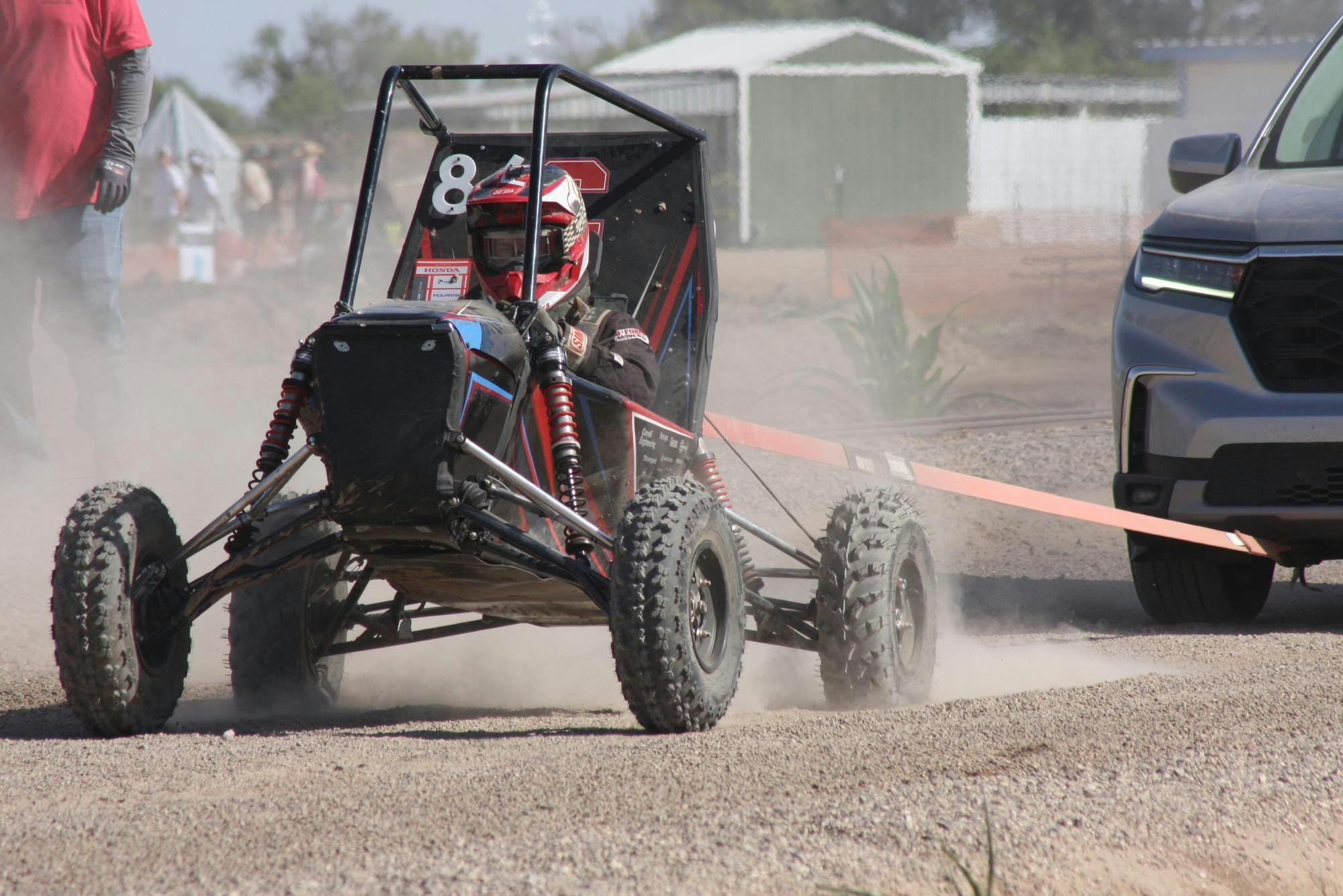
Another racing project team, Cornell Baja Racing, took its cars to competitions in May and June, one of which was at the Washougal MX Park in Washougal, Oregon, where they placed 8th overall. Similar to FSAE racing, Baja Racing aims to design and build a car that can compete in both static and dynamic events.
“Our goal is always to win,” said Rex Popick ’28, a member of the business subteam. Baja Racing was able to accomplish this in 2025, taking first place in all three competitions it participated in.
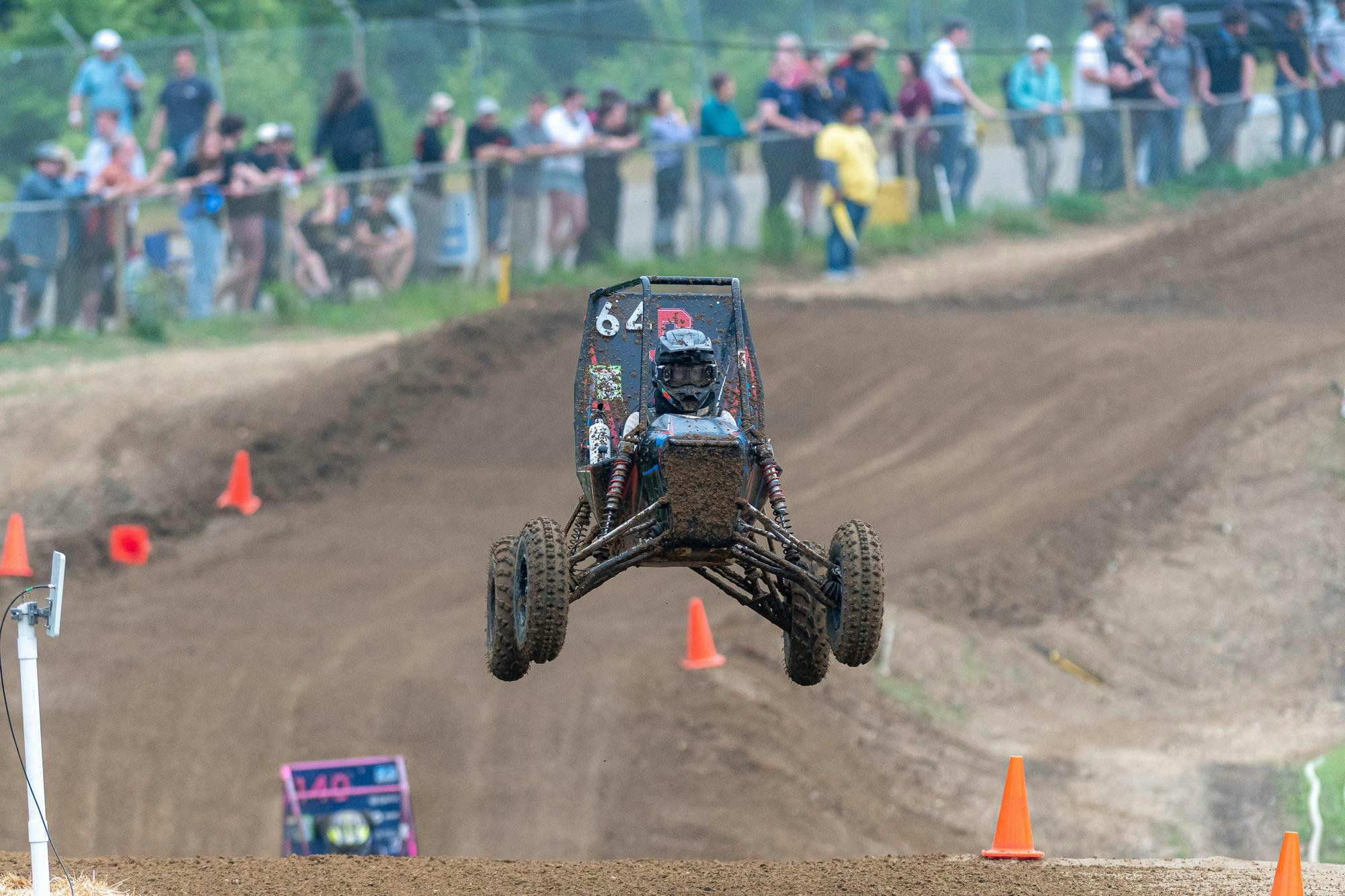
The team has another upcoming competition in Ohio in late September.
“For the Ohio competition specifically, we want to finish every dynamic event, get through endurance with no major failures and give our new driver, Sava Iliev, a competition driving experience,” Popick said.
Although this remains the team's goal, Popick said that there is much more below the project team’s surface, especially in terms of impact on the younger members during the competitions.
“Some people haven’t really traveled outside the state,” Popick said. “They get that opportunity to do that and function in a team environment. We’ve seen so much growth in them, both as people, but also in knowing how to design things.”
As for future goals this year, the team hopes to improve reliability and efficiency.
“We saw real performance gains, but lost points at competition due to reliability issues and limited testing time, largely because we finished the car too late to catch and fix problems beforehand,” Popick said. “Our biggest takeaways are improving component reliability and getting the car running earlier.”
Taking Impact Internationally
Cornell Engineers in Action took their projects to Eswatini from the end of May to the end of July to implement their engineering designs. This project team works to build bridges and water, sanitation and hygiene projects to better rural communities in Eswatini.
The bridge team built a 56-meter suspension bridge from recycled cables.
“We designed it during the semester with professional engineers,” said Elizabeth Federspiel ’29.
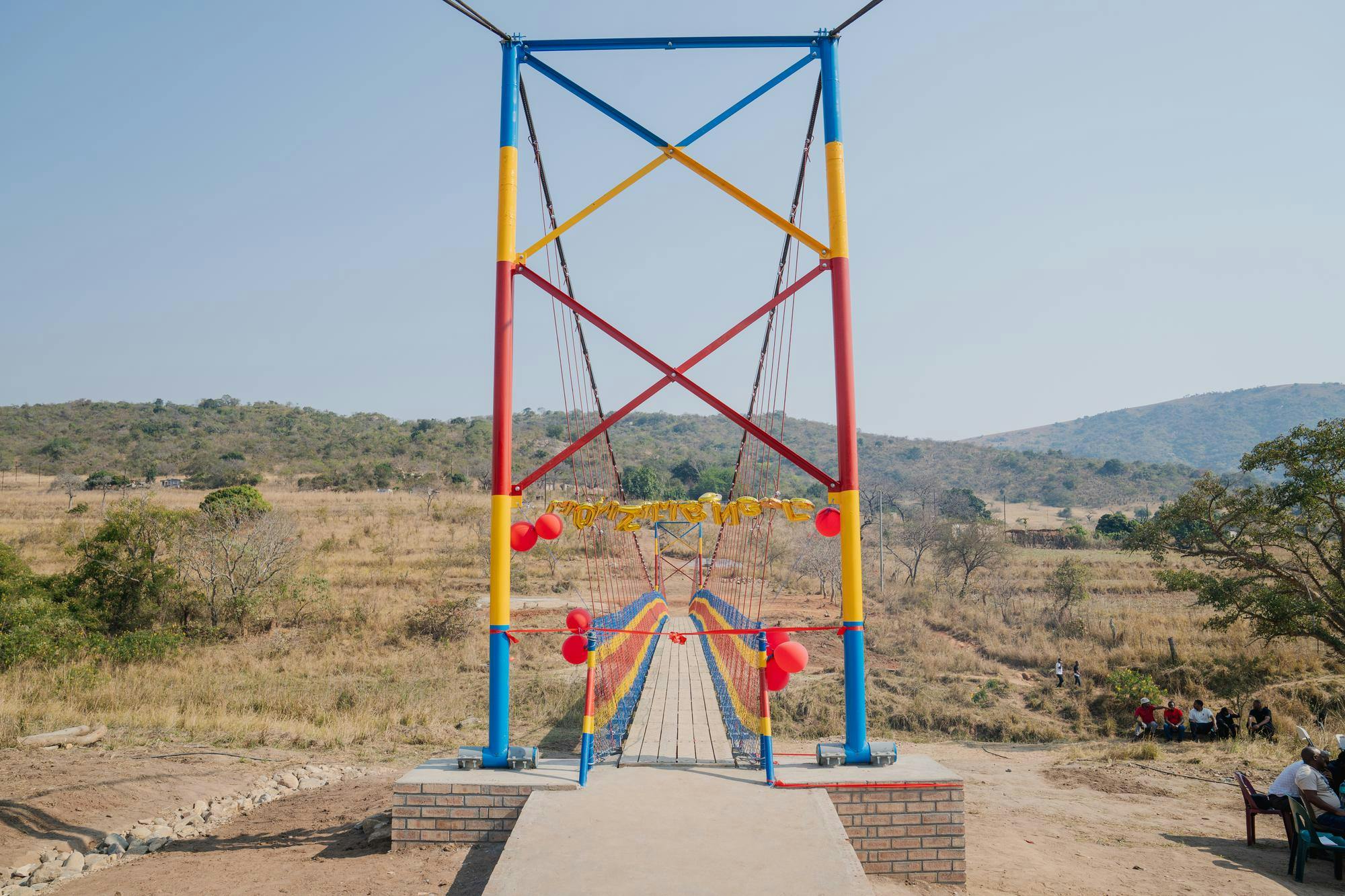
The team implemented the bridge during Eswatini’s dry season, which is their winter. The goal of the bridge was to combat the issue of floods on a specific river.
“When the river floods, it is impassable, and it gets really high and blocks one side of the community,” Federspiel explained. “It blocks one side of the community from any access to schools, the clinic, any store, all public transportation on the other side of the river.”
The team worked directly with local masons and community members. Working with expert masons required the team to adapt to their fast pace, and they needed to come to agreements to ensure the longevity of the bridge.
“I do feel like I am a better engineer because of it,” said Emma Anthes ’28, another team member. “We wanted to make sure [the bridge is] still standing for 50 years.”
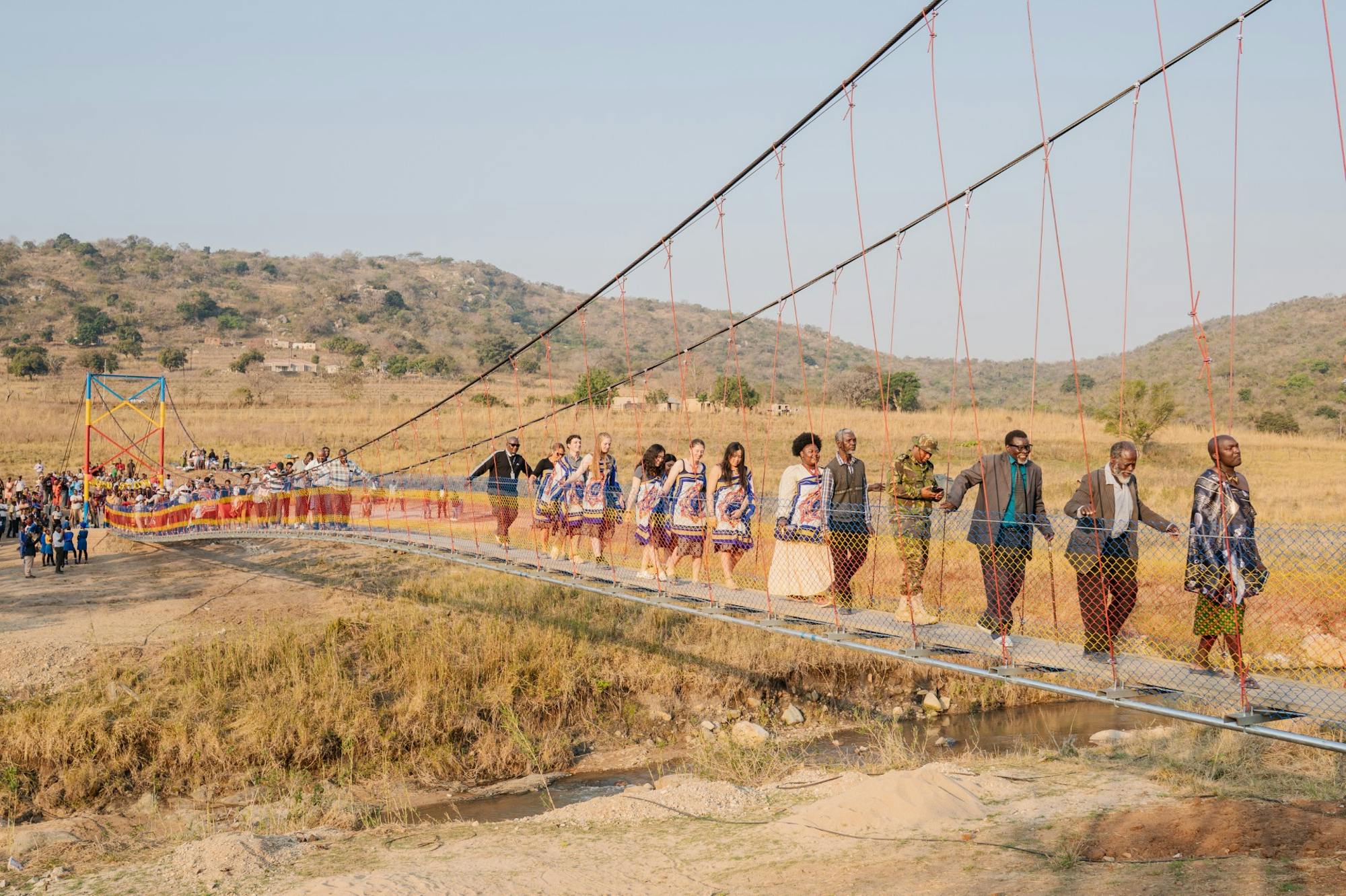
Although the experience was incredibly rewarding, there were also challenges that came with being in a new location, Federspiel said — including a lack of running water and electricity on-site.
Other cultural experiences were valuable to the team, like living with a host family.
“We were able to go to church with them,” Federspiel said. She added that they also sang, danced and played soccer games together. “It was really awesome.”
The group will spend the next year preparing to return to Eswatini but with a new specific location that will be revealed in January.
“Knowing the people I was helping was really, really cool,” Burke said. “I’m excited to help the next group of travelers really feel like they are prepared to go because it is definitely a very unique, special experience.”


