The CHE + The Center For Discovery Summer Internship offers Cornell human ecology students an immersive experience in disability care and research.
Students shadow health professionals and conduct research trials with disabled individuals during an eight-week stay at The Center for Discovery, a nonprofit providing care for people with disabilities such as autism.
The Sun spoke to three interns who researched eating behavior, nutrition and apparel design this summer.
Based in Harris, New York, TCFD serves more than 1,700 adults and children who live in the center and the surrounding community. At the center, individuals receive access to nutrition services, nature activities, medical care and education.
Prof. Nancy Wells M.S. ’94, human centered design, the senior associate dean for research and graduate education, launched the collaboration between the College of Human Ecology and TCFD after the center proposed research collaboration in 2021.
“They were interested in nature-based curriculum, environmental design, therapeutic interventions,” Wells said, “and they had a real theme of sustainability in the mix.”
The internship partners undergraduates from Cornell’s College of Human Ecology with a Cornell faculty mentor and a mentor from TCFD. Each intern executes an individual project with a research theme crafted in collaboration with Cornell faculty and TCFD.
In past summers, Wells served as a mentor for interns researching how exposure to nature before classroom learning can impact engagement in students with autism.
This summer, three interns were chosen to help research autistic eating behavior and clothing design for individuals with Cerebral palsy at the center, Wells said.
Alan Van ’28 and Prof. Heeju Park, human centered design, explored adaptive apparel design for individuals with Cerebral palsy, a condition which causes difficulty in speech and movement, requiring many with the condition to use wheelchairs.
Van shadowed direct care staff and occupational therapists to observe their interactions with individuals with Cerebral palsy, particularly routines such as helping individuals get dressed and transferring them to and from different locations.
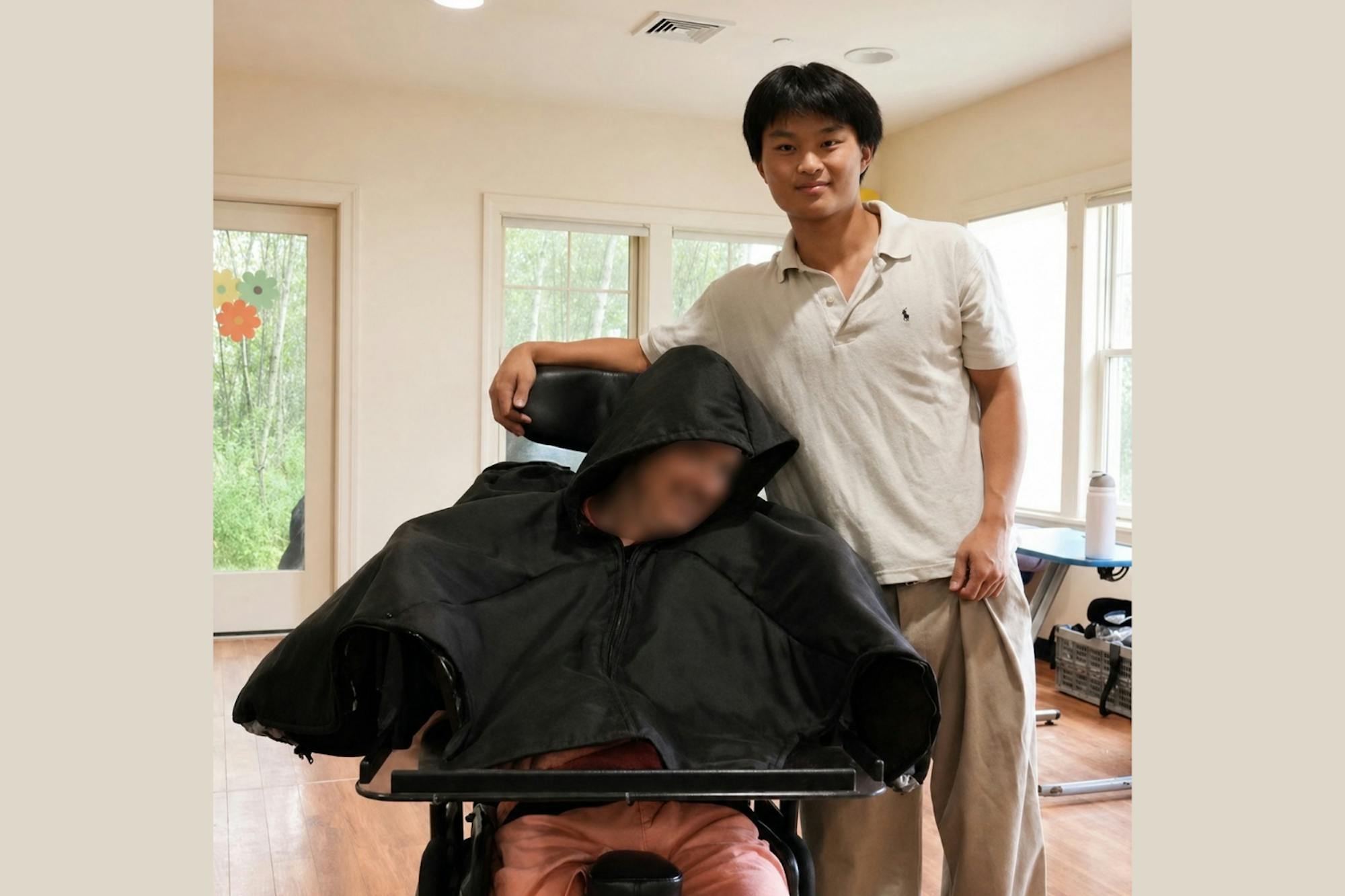
After noting these individuals’ muscle tone, range of motion, positioning and wheelchair equipment, Van designed the Hybrid Poncho-Jacket, a piece of winter clothing designed to make getting dressed easier.
According to Van, the poncho-jacket has wide side openings which can be easily secured around the arms with underarm zippers and uses zippered or magnetic openings so that it can be taken on and off without interfering with wheelchair equipment. The poncho-jacket also has a contemporary design to avoid looking clinical. Van added that the piece was faster to take on and off than a regular jacket, which would reduce the amount of time staff would have to spend dressing residents with Cerebral palsy.
Each prototype of the poncho-jacket that Van made was assessed by the direct care staff and occupational therapists, and he used their feedback to improve his design. To fit the design, Van worked closely with a non-verbal adult with Cerebral palsy and his caregiver. Van said that one of his favorite moments of the internship program was when he gave the finalized poncho-jacket to the individual with Cerebral palsy.
“He got really excited, wheeled himself toward me and gave me a high five with his foot. After months of design work, I really got to see how my work had a tangible impact on someone’s life,” Van said.
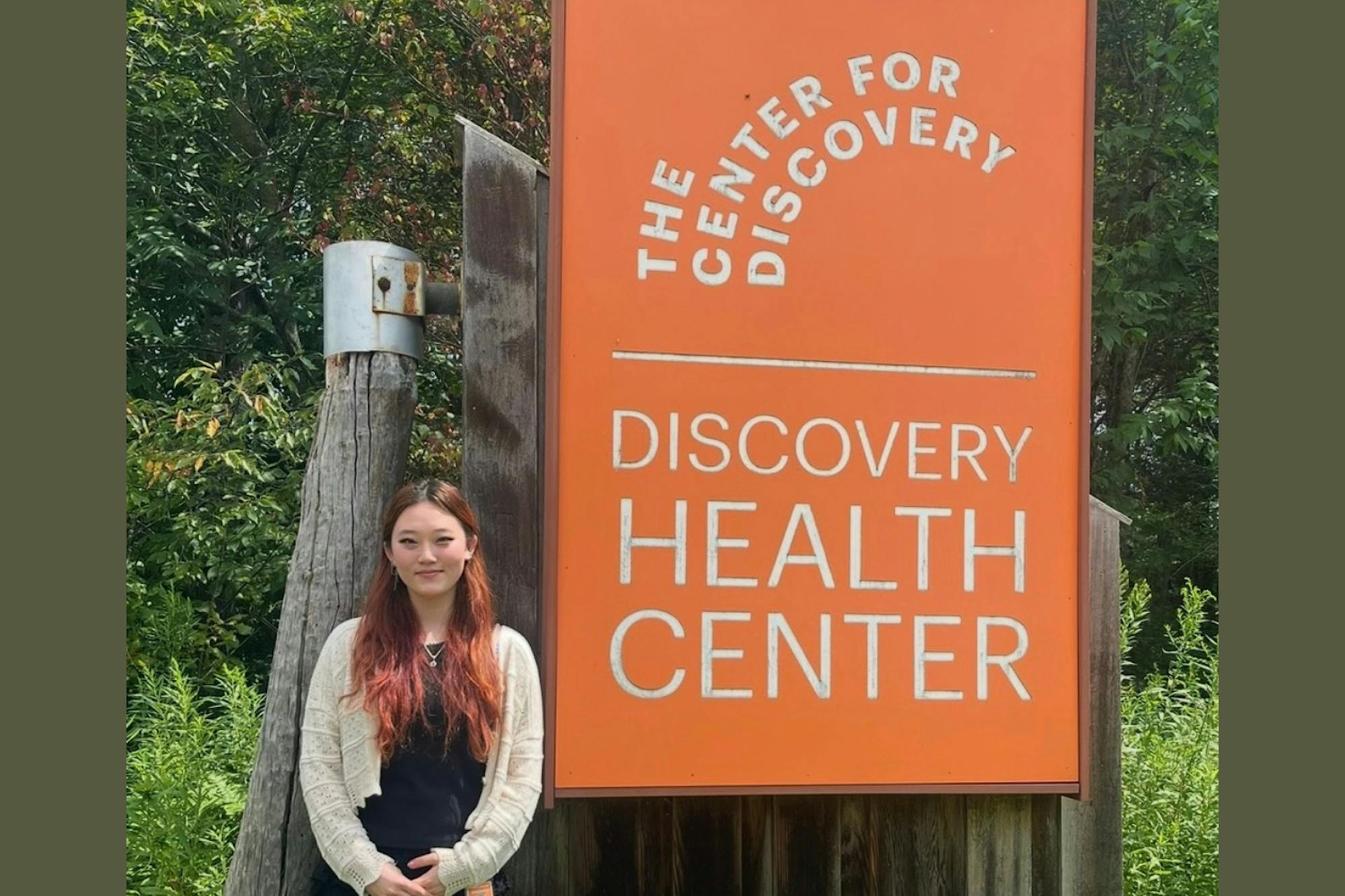
Joelle Lee ’29 worked with Prof. Angela Odoms-Young, M.S. ’94 Ph.D. ’99, nutritional sciences, on researching what parents need to create a healthy eating environment in their homes for their children with autism spectrum disorder.
“My project look[ed] at the gaps and difficulties around feeding, nutrition and healthy eating for children and families with ASD, but from a different angle: focusing on the family’s struggles rather than just the child’s,” Lee said. “I think that perspective hasn’t been fully explored in existing research, and it’s important for other researchers and clinicians to understand the social side of ASD, not just the clinical side.”
In addition, Ali Shiekh ’28 and mentor Prof. Paige Cunningham, nutritional sciences, studied if people with ASD respond in the same way to satiety, or fullness, signaling and how this impacts food intake and weight gain.
Jennifer Franck, a chief of the department of nourishment arts at TCFD, mentored Lee and Shiekh this summer. As a registered dietitian, Franck wants to use nutrition science to improve the health of individuals at the center, using food for general wellness and therapeutically.
“We have very medically complex individuals here,” Franck said. “Their bodies and brains have a heightened need for good nutrition.”
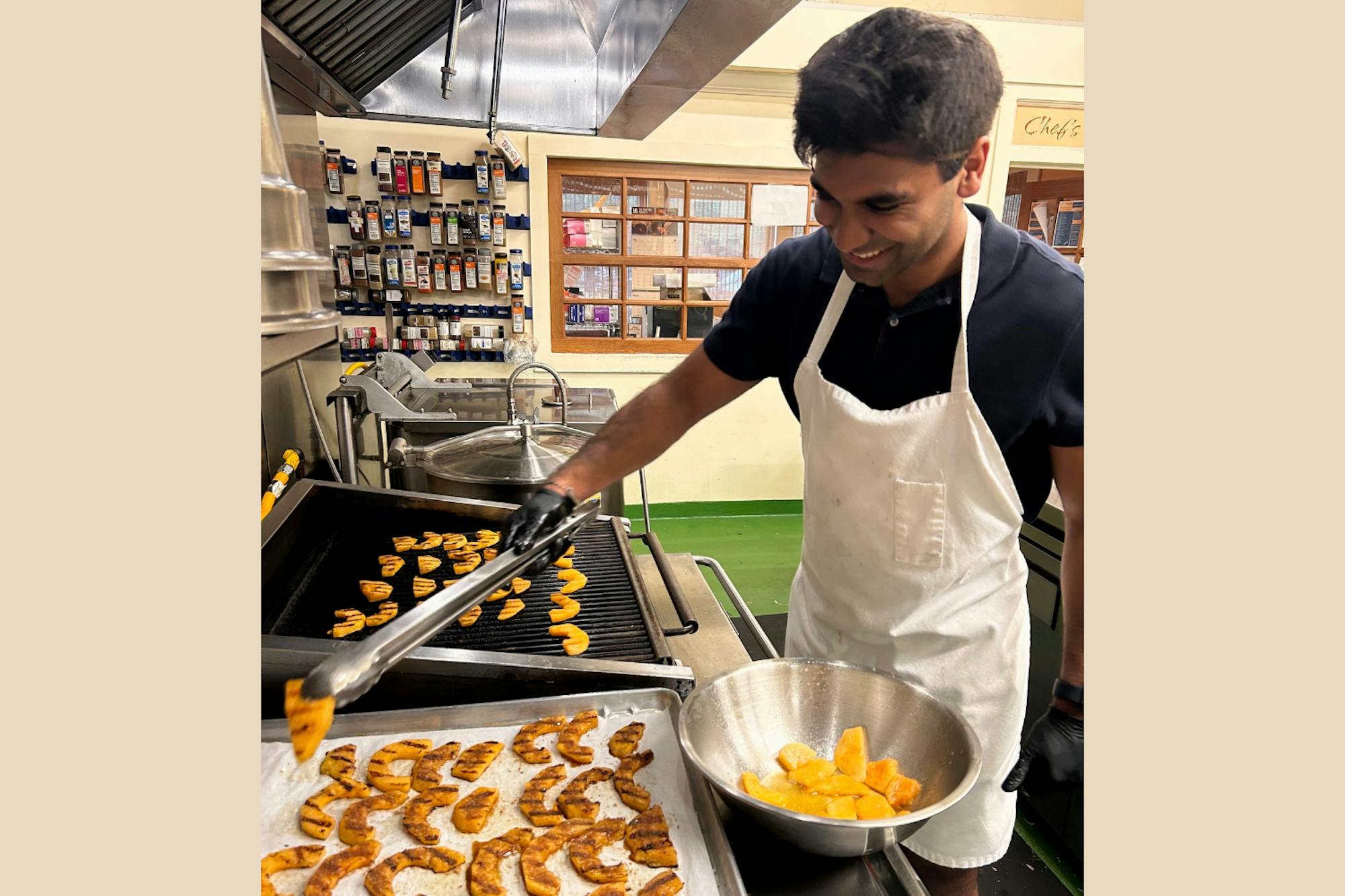
Shiekh worked on explaining the satiety signaling study to parents and recruiting more participants. He also filmed meal times, getting support from TCFD staff members to set up these filmed environments in a non-intrusive manner. Shiekh practiced communicating with the kids in the study and learned sign language for the words “more,” “stop” and “all done.”
He also wrote a literature review about medications, food and behavior in people with ASD.
“[I] looked at literature about GLP-1s, metformin (a commonly used drug in people with ASD), sucralose (artificial sweeteners) and the effects of ultra-processed foods on behavior for individuals with ASD,” Shiekh wrote in an email to The Sun.
Lee helped with Shiekh’s oral processing research during mealtimes. She video recorded students eating, prepared student’s meals and waters and took notes on behavior and eating patterns. She observed and tracked signs of difficulty, signs of preference, chewing and swallowing.
As a part of her research, Lee recruited participants for ongoing studies, scheduled interviews with caregivers and conducted phone interviews. She said that parent questionnaire interviews allowed for her to gain a deeper understanding of the kids in the oral processing study.
“Rather than meeting some of the children first, I was learning about them through their parents’ insight and perspective, hearing first hand about their habits, preferences and challenges from the people who knew them best,” Lee said. “When I observed certain behaviors in person, I could often recognize and connect them to things their parents had described to me earlier, which made the whole research process feel more complete and human, rather than just clinical observation.”
In addition to their research assignments, interns can experience the variety of experiences available at TCFD, Franck said. This includes working with farmers, sharing recipes with community members, shadowing the medical director and teaching the TCFD staff’s children about nutrition and cooking.
“I love how flexible and varied this internship is. You really get to dig into whatever areas interest you most,” Lee said.
This summer’s interns found that the internship encouraged them to consider holistic angles to address medical complexities and develop innovative solutions to improve the lives of people with disabilities — such as providing healthy foods that mimic unhealthy food fixations, or optimizing opportunities for sleep and physical activity, according to Shiekh.
“The experience that I’ve had has shown me that care comes in numerous different ways,” Shiekh wrote.