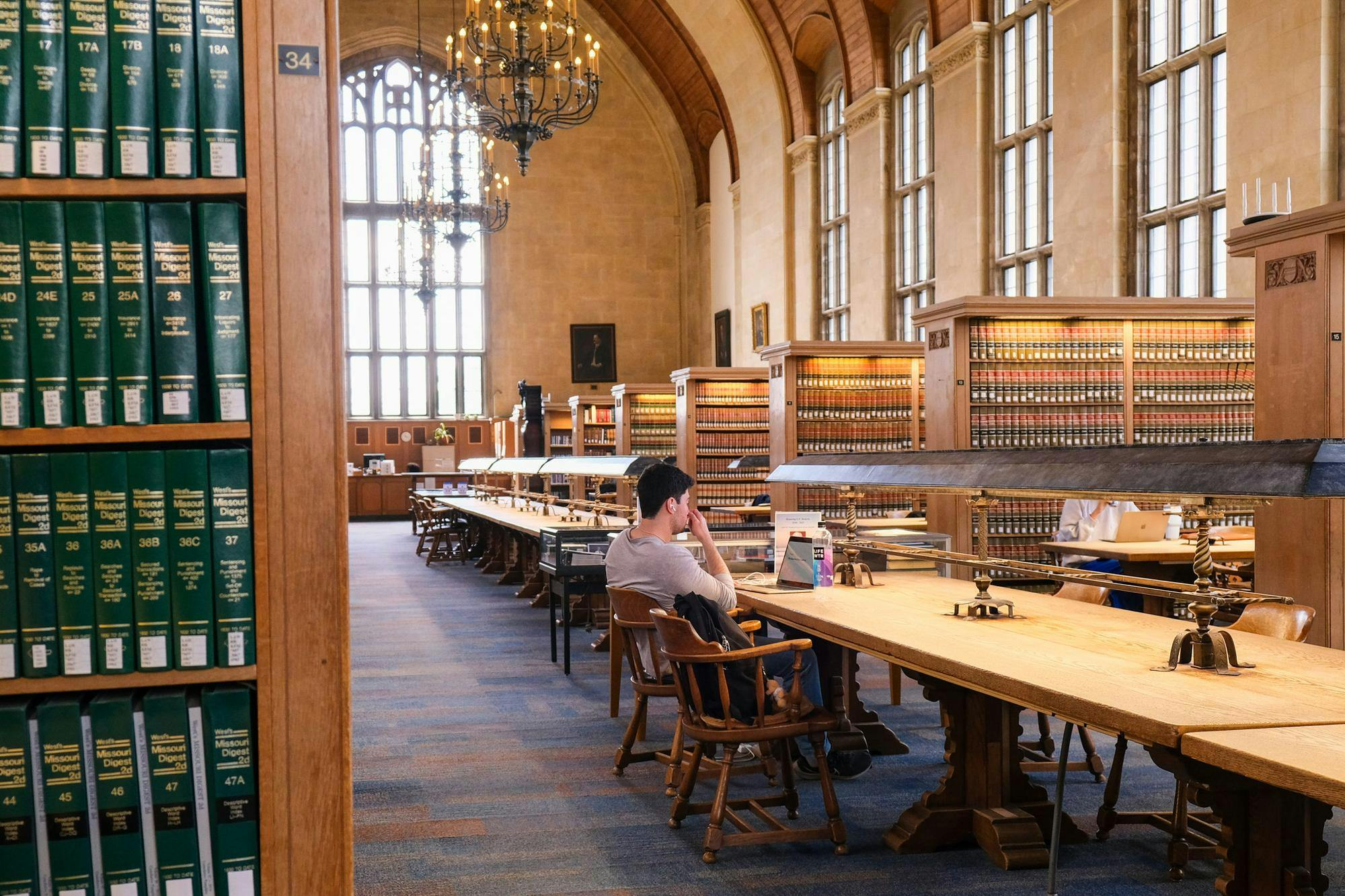
After returning from trips, internships and hopefully a little relaxation, it’s time to bid farewell to summer and lock back into high gear for the academic rat race ahead. Starting with the Add/Drop period and ending with final exams, learning at Cornell often feels like a marathon run in frantic sprints from weekend to weekend. The obstacle course: Cornell’s libraries, study rooms and dorms transformed into the “dukedom large enough” of Shakespeare’s The Tempest.
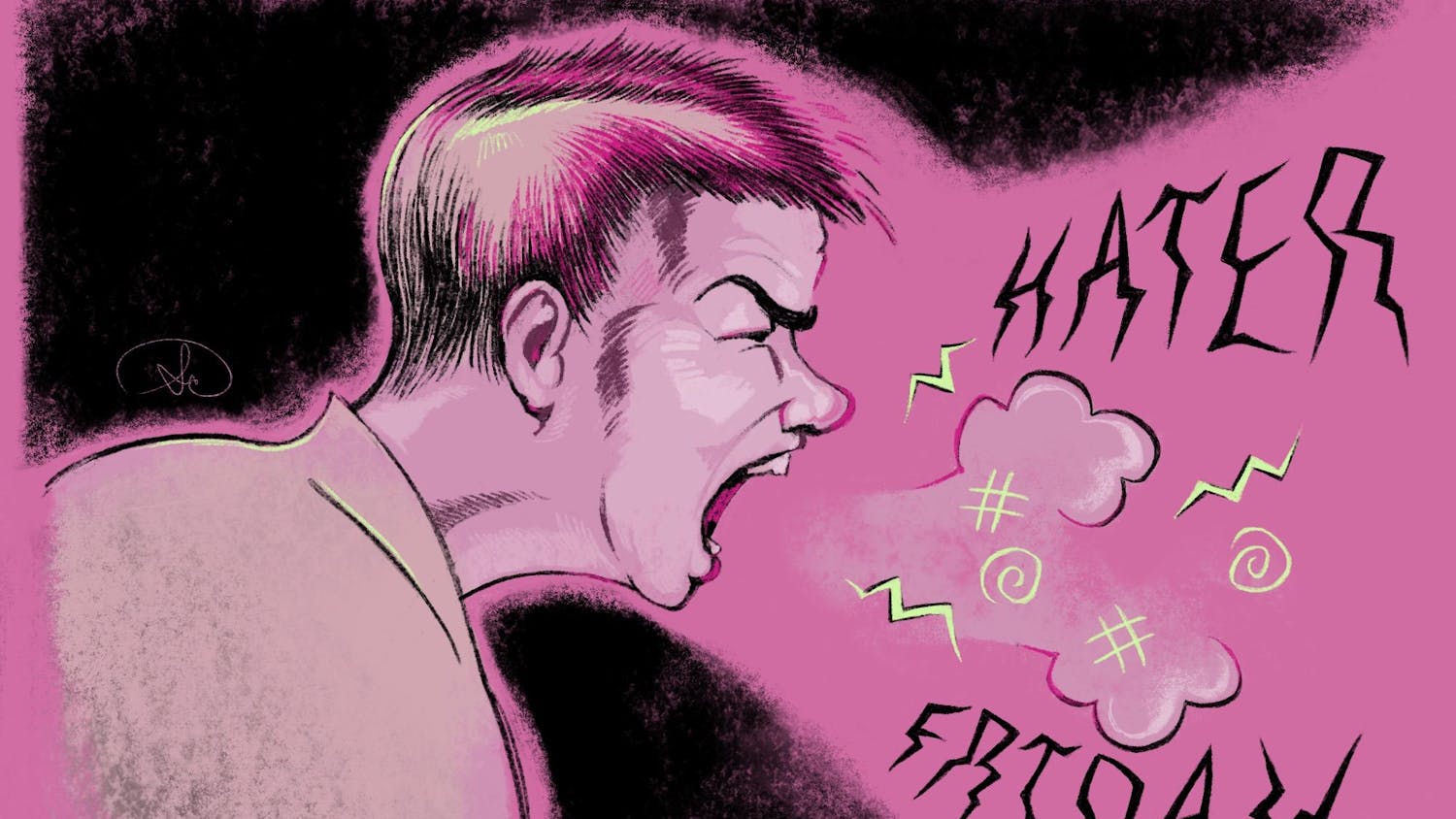
It’s often exhausting and a bit insane, so to survive many of us employ a steady ‘grindset’ to push ourselves through the slog. A portmanteau of ‘grind’ and ‘mindset,’ the ‘grindset’ imagines the mind as a tool to be sharpened and worn in equal measure. For those thrilled to be back and those resigned to the challenges ahead, here are a few wisps of written wisdom that may bolster your ever-insistent grindset.
“I need you to think of solutions to problems we haven’t seen yet. I want you to try things no one has ever tried because they’re absolutely stupid.” — Ender’s Game by Orson Scott Card
Cornell, like the other Ivy League schools, and like all selective universities, is competitive. So much so that tests, projects, problem sets and every other assignment can sometimes feel like a list of quests in a crazy game we play for nothing less than 100% completion. Completion we achieve by giving just the right answers at just the right time, every single time. But, as Card’s legendary science fiction novel emphasizes, memorizing the right answers will always leave you below those exploring stupid solutions.
“Not everyone knows that water and sunshine have scents, but they do, you just have to get far enough away from all other smells to realize it. You have to be sitting in a boat, relaxing so much that you have time to lie on your back and think. Lakes and thoughts have that in common, they take time.” — And Every Morning the Way Home Gets Longer and Longer by Fredrik Backman
Almost year-round, Ithaca is gorgeous. But, as the air cools from shining summer to crisp winter, it’s easy to lose these beauties to the endless cycle of prelim seasons that culminates in final exams. Like most of his books, Backman’s 76-page novella about love, age and fading memories recalls the little things and reminds us that we can put off breaks as easily as we procrastinate assignments. Sometimes we need to spend time with our own kind of lake and think outside of the grindset.
“Do you remember the story I told you about the paper of happiness? And the secret, which was one word written over and over again? … I think, perhaps, the word was faith.” — Where the Mountain Meets the Moon by Grace Lin
The experience of being stuck on a problem is frustrating — knowing that there’s a solution that remains just out of your reach. It’s the source that you can’t find. It’s the thesis that doesn’t fit. It’s the experimental variation you haven’t tried. It’s the algebra mistake your eyes pass over again and again. It’s exhausting trying to find what’s wrong and worrying that it’s you. In Lin’s reinvention of traditional Chinese stories, the path to happiness isn’t as universal as people’s problems, but a little faith always takes the characters a long way. This semester, keep a little faith for yourself.
“If you take a book with you on a journey … an odd thing happens: The book begins collecting your memories. And forever after you have only to open that book to be back where you first read it. It will all come into your mind with the very first words: the sights you saw in that place, what it smelled like, the ice cream you ate while you were reading it…” — Inkheart by Cornelia Funke
Books aren’t for everyone, particularly the recreational fiction novels that the word ‘books’ typically brings to mind. Still, at any academic institution, books are inevitable. We charge digital textbooks with hours of energy drinks, assemble library books into theses and occasionally peruse required reading. Through our engagement, these fleeting books and other everyday items give us something tangible with which to recall our stories of stress and success. Funke’s reverse portal fantasy reveals an exchange between people, events and the objects they interact with, making them treasure troves of memories that we’ll remember long after we’ve let the grindset go.
“Home! That was what they meant, those caressing appeals, those soft touches wafted through the air, those invisible little hands pulling and tugging, all one way.” — The Wind in the Willows by Kenneth Grahame (as quoted in Inkheart by Cornelia Funke)
To your grindset and the enduring allure of Cornell’s thousand appeals, welcome back home.
Wyatt Tamamoto is a member of the Class of 2029 in the College of Arts and Sciences. He is a staff writer for the Arts & Culture department and can be reached at wkt22@cornell.edu.