


When you think of the Student Assembly at Cornell, what comes to mind? Corruption? Inaction? Powerlessness? Or perhaps, nothing comes to mind at all?
Whatever it is, the Assembly has consistently failed us — the student body.
The Student Assembly is facing an existential threat in the form of a University administration that fails to implement almost any of its recommendations. President Kotlikoff has rejected resolutions left and right, and refuses to even respond in the time frame in which he’s required. Take Resolution 9, which seeks to end the ongoing collaboration between Cornell Career Services and U.S. Immigration and Customs Enforcement. Kotlikoff is required to respond within 30 days — he took 63 days to “acknowledge” it, without implementing any of its recommendations.
Recently, the Student Assembly passed Resolutions 55 and 61, asking for new policies preventing the University from platforming war criminals and an end to our partnership with the Technion-Israel Institute of Technology. President Kotlikoff responded to these resolutions in an unprecedented three days. Kotlikoff’s belief that he needed to deliver a “swift rebuke” demonstrates the power of the Assembly using its power in favor of bold, “political” resolutions, and the importance of students showing out in numbers to these meetings as part of a broad strategy to win our demands. We must build coalitions, we must protest and, whether you like it or not, we must vote for Student Assembly.
It’s not just the ‘political’ issues students face, either. Policy is personal, and the current quality of life issues students face are inseparable from the ‘political.’ If we had an administration that listened to and cared about its students, we would not only have divestment and a sanctuary campus, but also free laundry for students, fully funded TCAT and more easily accessible mental health services.
I’m running for Student Workers’ Representative, because as our University fails to protect its most vulnerable students, student workers bear the brunt of these failures. I will fight to undo hour and shift reductions made after Trump’s funding cuts, revive efforts to raise the wage to $18.50 an hour and ensure student workers are given adequate training and protective gear. As student dining workers have noted, Cornell’s administration continues to weaponize Trump’s cuts as an excuse for what is ultimately their bad behavior.
We need a university that prioritizes its students over its profits, and we can’t get there without shared governance structures that truly represent the student body, not just the small fraction of those who know when and how to vote.
This year, voting opens Monday, April 20 and closes a week later on April 27. You’ll receive an email from “OpaVote,” which you might be familiar with from this fall’s referendum on the Student Code of Conduct.
Only 1,489 students voted for the very top of the ticket last year, just 9.2% of Cornell’s 16,138 undergraduates. In previous years, races have been decided by as few as 10 votes. Your voice matters now, and always. Make sure to use it.

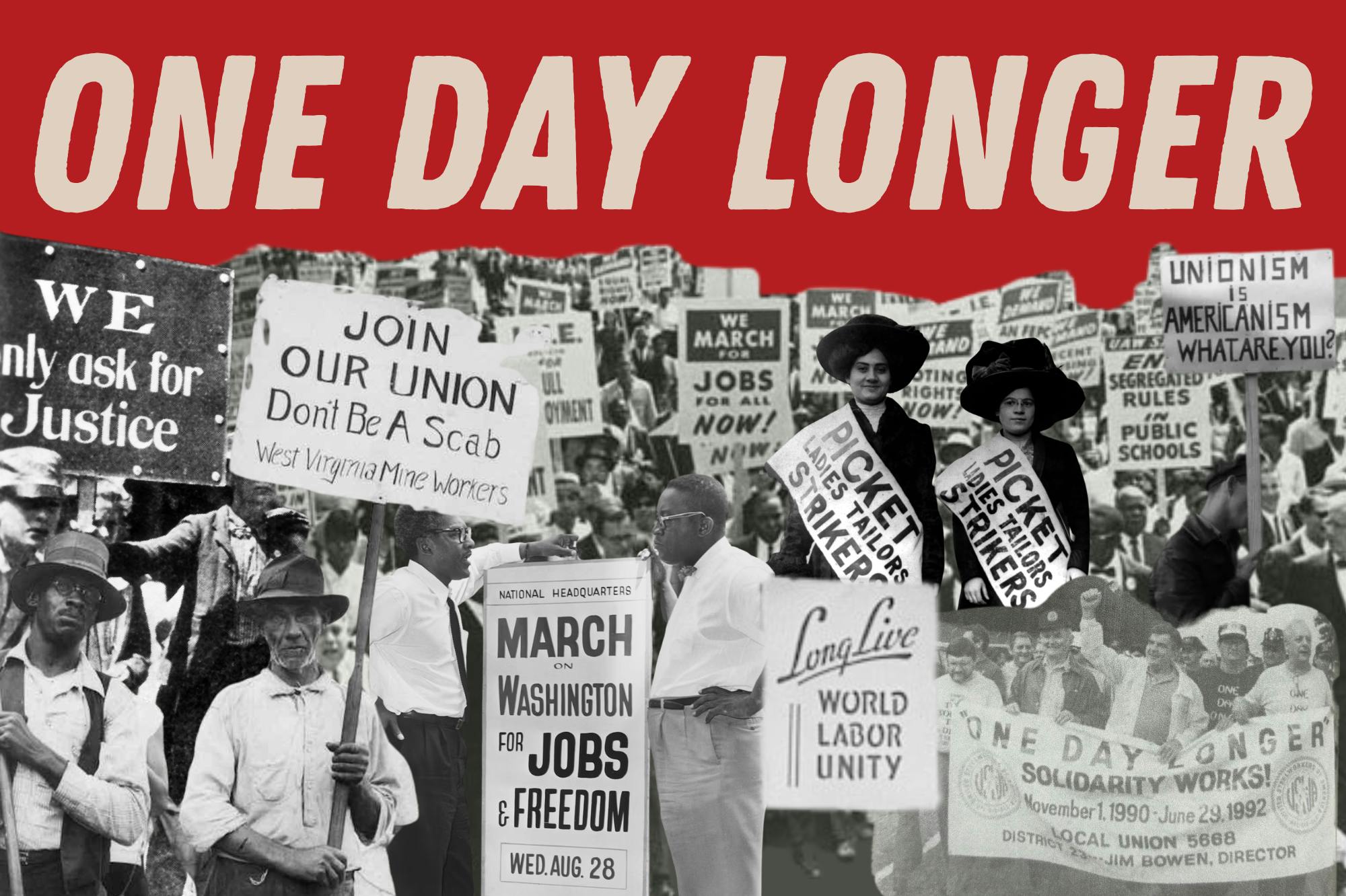
Adriana Vink '27 is an Opinion Columnist and a student in Cornell's School of Industrial and Labor Relations. Her fortnightly column One Day Longer takes aim at campus politics, international relations and labor exploitation. She can be reached at avink@cornellsun.com.


