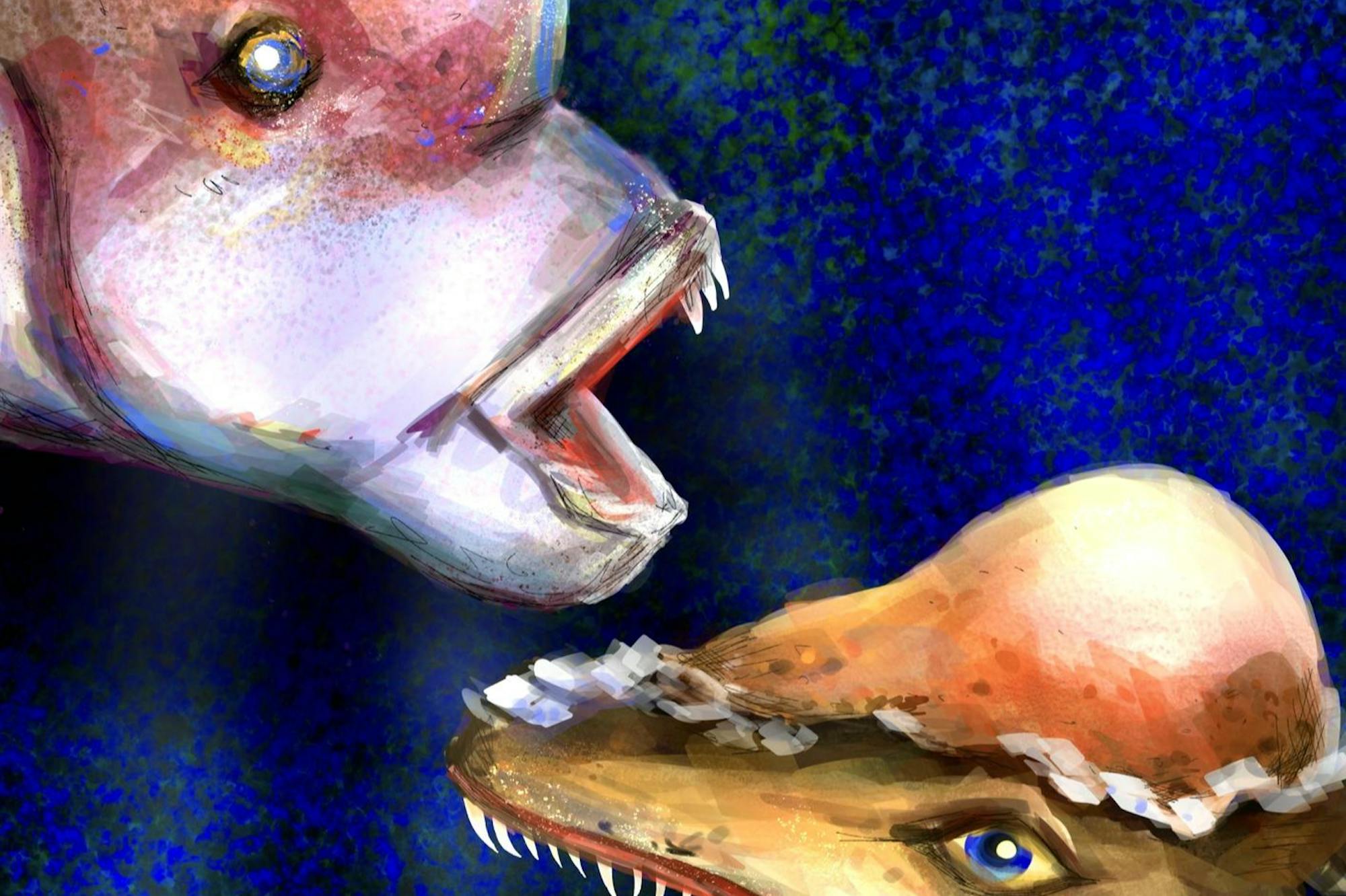
Editor’s Note: 4/20 content is a part of The Sun’s joke issue and contains exaggerated and factually inaccurate information.
Across the country, outraged seafood-enthusiasts are demanding transparency and refunds as they question whether the pearly-white, tender slices on their plates are really fish at all, or something far, far, older, perhaps dating back 66 million years.
This panic follows a new study published this month in the journal Naturawrrr, which challenges one of the most widely accepted ideas in evolutionary biology. Instead of birds being the only surviving lineage of dinosaurs, researchers now suggest that some dinosaurs may have survived by evolving into fish.
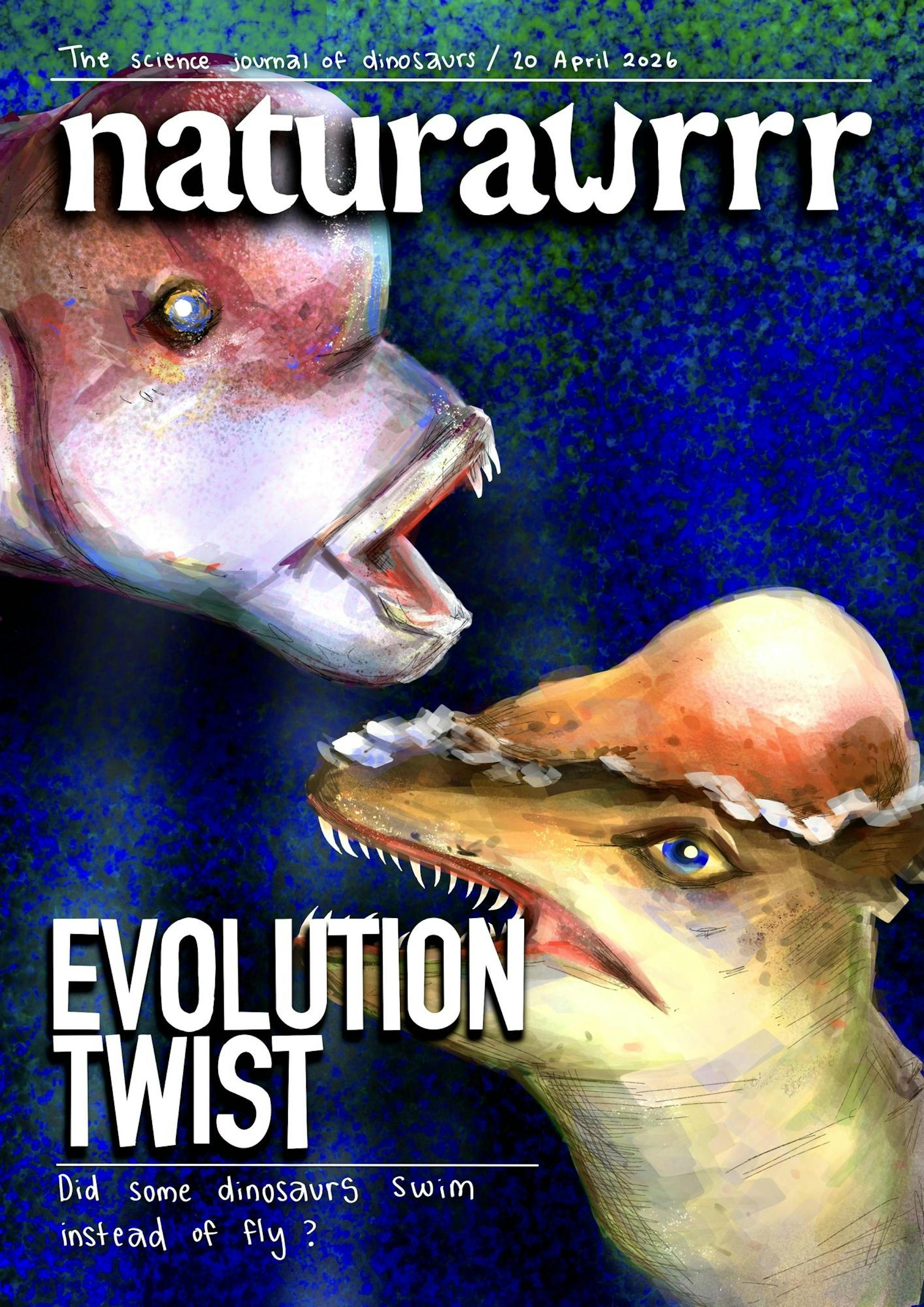
A joint research team from Cornell Dinosaur Discovery Laboratory and Rawr Honors College has identified what they describe as the closest known functional and morphological relative of the extinct dome-headed dinosaur in a surprising living species.
The fish’s anatomy, behavior and wisdom beyond their years, the researchers argued, challenge the prevailing view that only avian lineages of dinosaurs survived the Cretaceous-Paleogene extinction event. The team instead proposes a secondary survival pathway involving an ecological transition into the sea, rather than up toward the sky.
This study originated with a Pachycephalosaurus fossil excavated in Ithaca, on April 20, 2024. Although the lower skeletal structure was fragmented, the skull remained exceptionally well-preserved, enabling detailed structural analysis.
“After two years of 3-D computational modeling and analysis, we were able to map the structure of the dome-shaped cranial dome with unprecedented precision,” said Dr. Veloci Raptor, lead researcher for CDDL.
What distinguished this specimen from previously studied fossils was its isotope geochemical composition.
“Unlike earlier finds, this skull exhibited oxygen isotope ratios in cranial bone consistent with coastal influenced environments,” Dr. Raptor explained. “Which made us wonder: what was a Pachycephalosaurus doing in or near the ocean, and what evolutionary pressures maintained this cranial enlargement in a marine context?”
To investigate this, the research team expanded its dataset to include all extant species exhibiting cranial enlargement. Among all surveyed taxa, the fish species Asian sheephead wrasse emerged as the closest morphological match.
When researchers analyzed the cranial scans of both specimens, they reported an intraobserver error of less than 4.20% of the total variation, indicating an unusually high degree of structural correspondence.
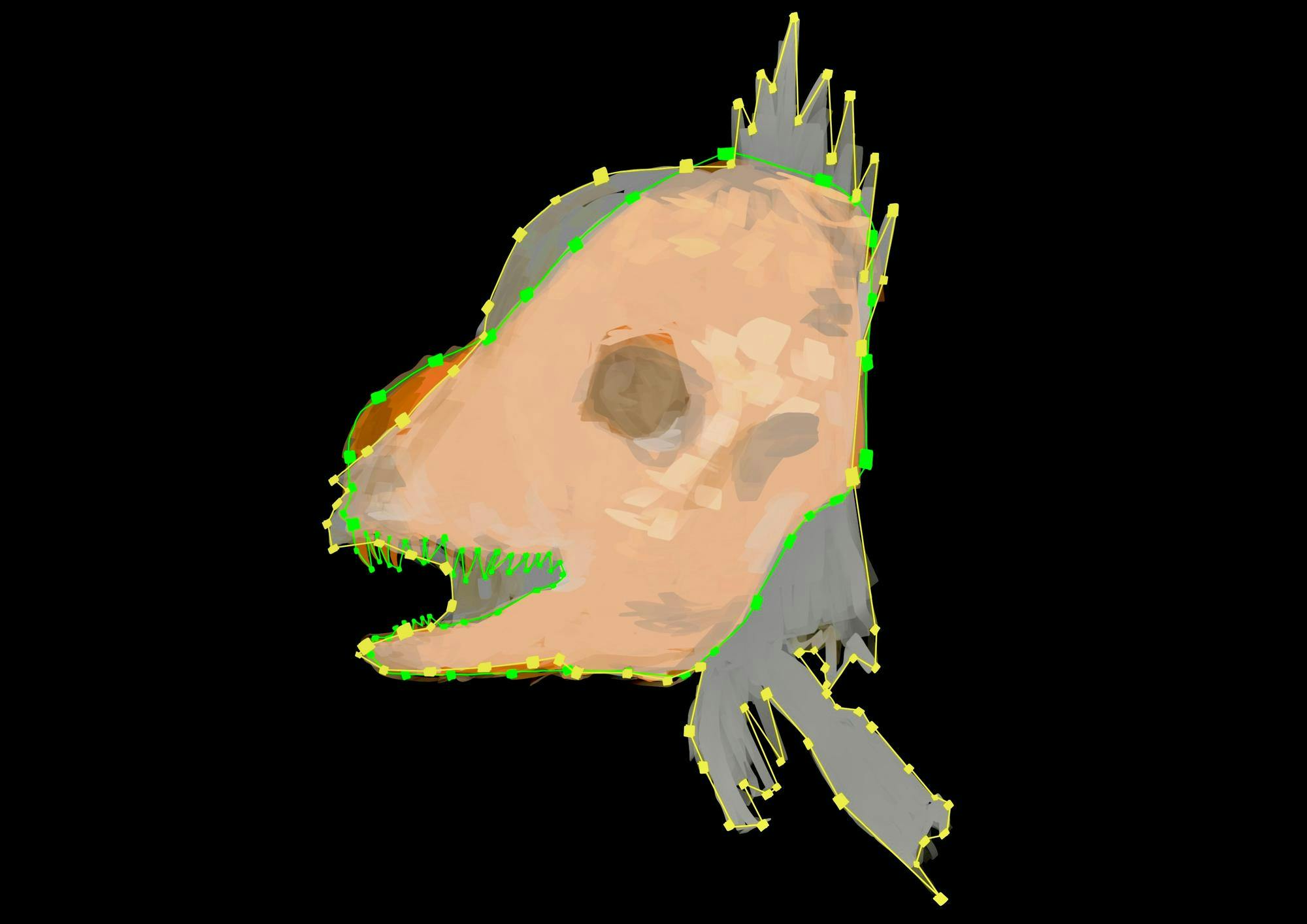
“Just look at the morphology,” said Dr. Tyrano Saurus, chair of anthropology at Rawr Honors College, “When you align the scans, their frontal bone structure is nearly identical. It’s so rare to observe this level of similarity across such distant taxa over tens of millions of years. Nature is just so full of wonders.”
The similarities extend beyond just physical structure. Pachycephalosaurus has long been hypothesized to use its cranial domes for intraspecific competition, dominance signaling and attracting mates. Notably, these same behavioral patterns are well documented in the Asian sheephead wrasse, in which the dome is used for territorial aggression and visual displays during head-bobbing mating dances.
This combination of functional and morphological analogies led the team to propose the groundbreaking evolutionary scenario in which a small population of Pachycephalosaurus, under environmental pressures following the asteroid impact, could have evolved towards a fully aquatic lineage that retained the functional cranial dome, ultimately giving rise to the delicious wrasse seen swimming joyously today.
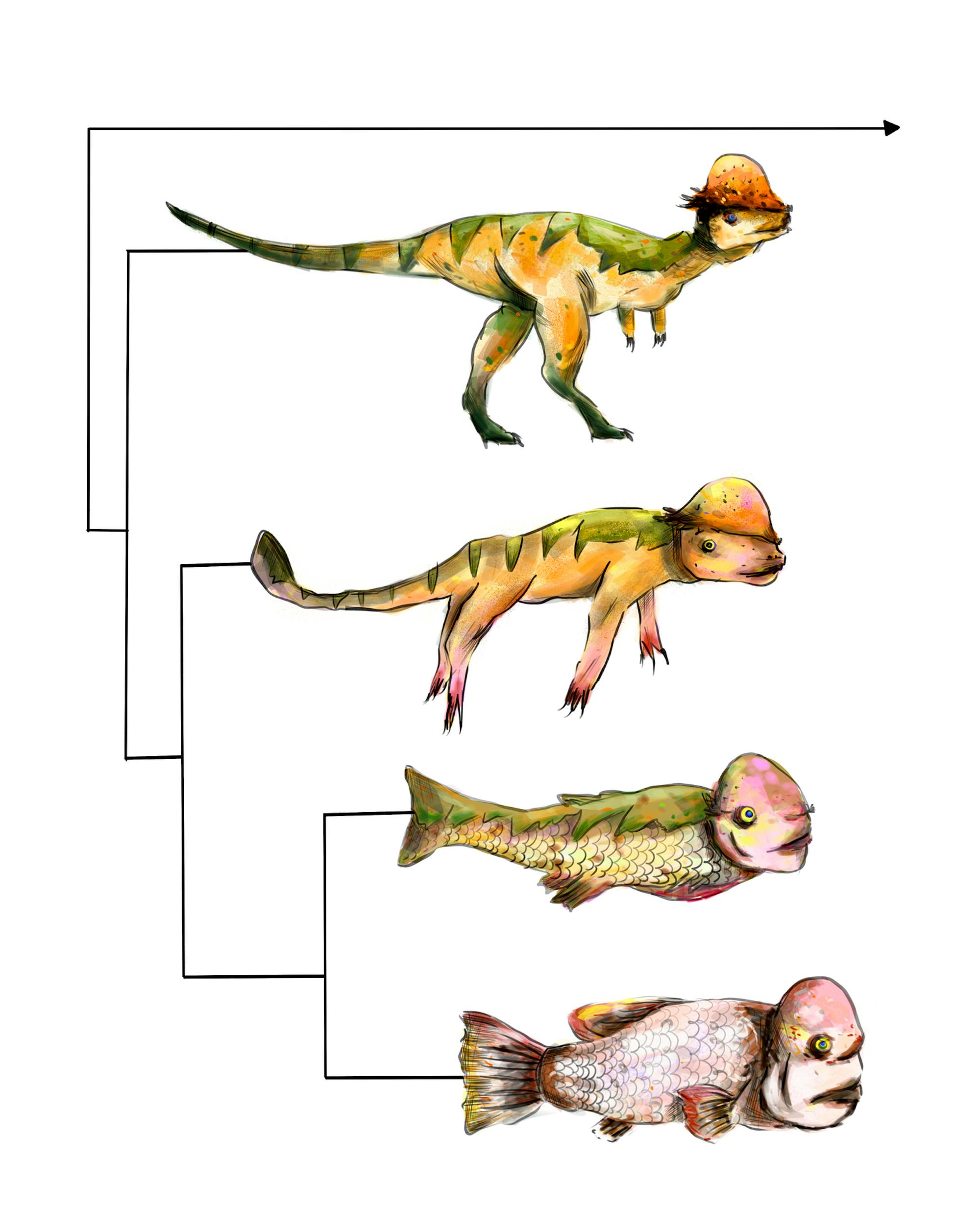
4/20 | The proposed morphological evolution from Pachycephalosaurus to Asian sheephead wrasse.
Despite the paper’s claims, the hypothesis has drawn skepticism from the broader scientific community.
“I’m not persuaded by a single case study,” said Dr. Bird Supeer-Eority, a fossil data processing specialist at the CDDL. “The study does not yet provide sufficient evidence from cladistic analysis, molecular paleontology or gut content to support coastal habitation. And most importantly, where are all the transitional fossils?”
In response, the research team acknowledges the controversies but emphasizes the importance of having an open mind towards the possibility of new evolution frameworks.
“After all, evolution is rarely a smooth, continual, linear process,” said Dr. Raptor Sontop, “It is often punctuated and deeply unpredictable. A transition from terrestrial to marine life at this scale may be what some call ‘liar, liar, pants on fire,’ but it is not without precedent.”
He points to examples such as whales, which evolved from fur-covered, four-legged terrestrial mammals into a fully aquatic organism over millions of years.
“If we can accept that mammals could return to the ocean and undergo such a dramatic transformation, we must remain open to the possibility that other lineages explored similar evolutionary pathways,” he added. “Oh, and see, my pants are not on fire.”
Looking ahead, the CDDL research team has received a $3 million grant from the Ecology and Evolution of Dinosaurs initiative, funded by the National Dino Foundation, to further investigate this hypothesis through expanded fossil sampling and global collaboration among scientists.
For now, while the scientific community awaits more fossil evidence, authors, professors and publishing houses are working around the clock in the race to publish the new hypothesis in the first edited science textbook that will rewrite evolutionary history as the world know it for over 180 years — forcing the world to reconsider what, exactly, has been swimming past them all along, and prompting new questions about what other forms dinosaurs may have evolved into in order to survive.
“I spent 13 years of hard work toward a bachelor’s, master’s and Ph.D. degrees studying dinosaurs … and I still have no idea what in the world is happening now,” said Dr. Saurus. “I feel like I might have to go back to undergrad at 67 and just… start all over again. Oh, welp… Cornell Class of 2039, here I come!”
Tyrannosaurus Cat is a second-year student studying dinosaurs and biology.

4/20 content is a part of The Sun’s joke issue and contains exaggerated and factually inaccurate information.