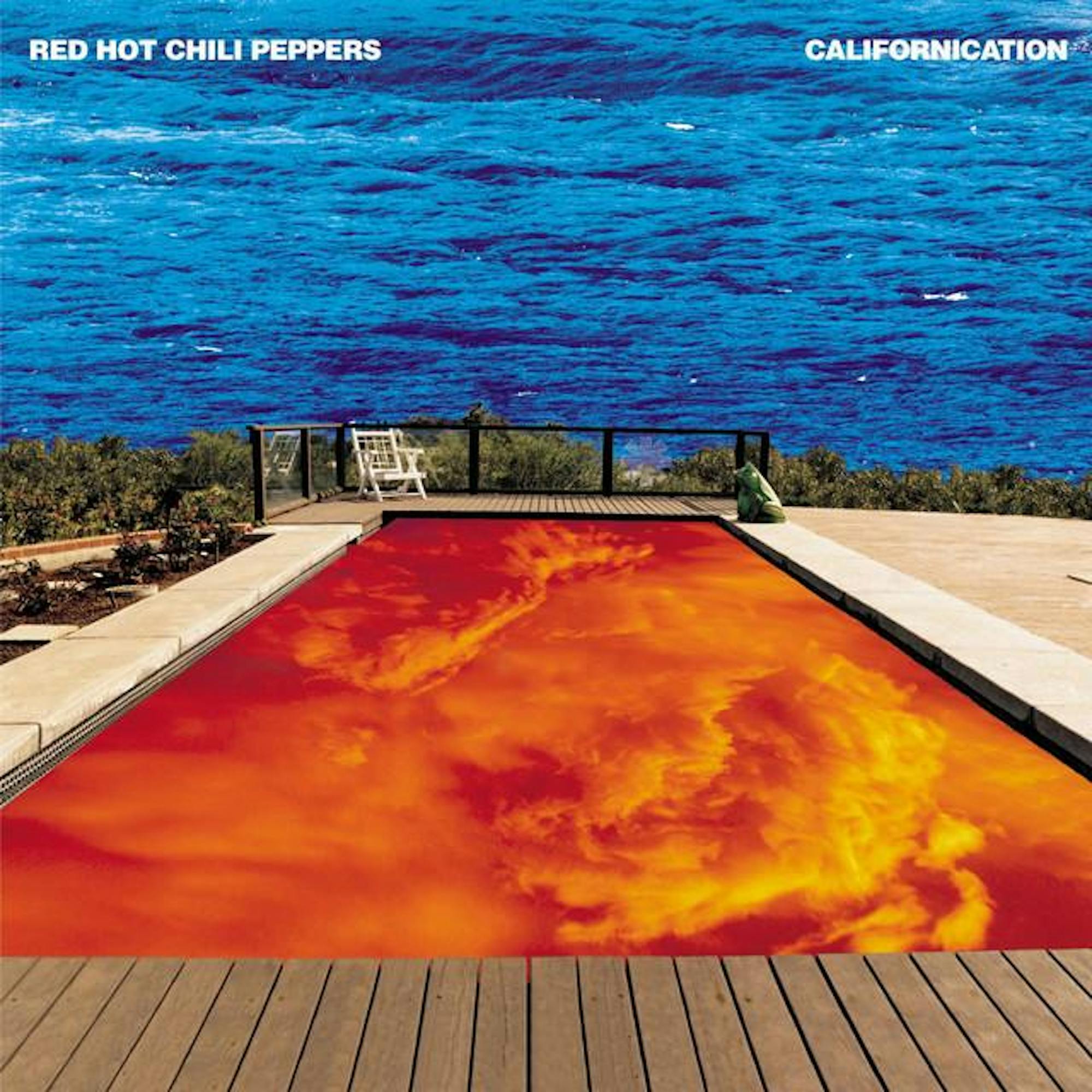
Walk with me down memory lane for a minute. Specifically, let’s travel back to about 10 years ago, when wearing band t-shirts was all the rage among the middle school girl population. As a member of this particular population, I carried quite the collection of band t-shirts myself: AC/DC, Aerosmith, Sublime, Pink Floyd, Red Hot Chili Peppers — the list goes on. In sixth grade, I had a teacher who was quite piqued by this trend, and laid down the law on the first day of class: No band t-shirts unless the wearer was able to name a minimum of three songs by the band. Yes, he would actually make you recite them; and no, I am not kidding. My interest in music had already been stirred by that point, so I was in the clear. Thus, I broke out my oversized Red Hot Chili Peppers t-shirt (which remains in my closet to this day, however faded it may be) and made my way to school with “Californication,” “Can’t Stop” and “Scar Tissue” top of mind. But while I knew these songs and was able to circumvent my teacher’s humiliation tactic, it was not until years later that I actually came to appreciate them. In fact, I’ve been on an unabating Red Hot Chili Peppers kick as of late, with “Wet Sand” weaving in and out of my brain for weeks. This ode to RHCP’s 1999 record Californication is primarily an affirmation of my appreciation — something, my sixth grade teacher may feel validated to know, I did not do nearly enough of when initially rocking that t-shirt — and secondarily an attempt to quench that thirst.
Californication starts off with an explosive riff in “Around the World” that squarely marks guitarist John Frusciante’s return to the band after a break. Flea provides a pulsing bassline to back up both Frusciante’s shred and Anthony Kiedis’s reflection on being a member of RHCP, with lyrics influenced by the Roberto Benigni film Life Is Beautiful. Frusciante gives another standout performance in “Parallel Universe,” which is complete with a hypnotic instrumental break and outro. Nevertheless, Kiedis steals the show with his dramatic vocals, and goes full-throttle during the chorus. “Scar Tissue” is one of the two crown jewels of this record and features a more stripped-down sound than its predecessors. Kiedis considers life after addiction, and the vocal layering during the chorus draws special attention to his words. “Otherside” follows a similar theme, with Kiedis trailing off after asking, “How long, how long will I slide? / Separate my side / I don’t, I don’t believe it’s bad / A-slitin’ my throat, it’s all I ever…” Meanwhile, the Public Enemy-inspired “Get On Top” may not be the band’s most lyrically advanced work, but it’s a fun addition to the record, especially when it comes to the extensive guitar solo.
The title track of Californication is the album’s other crown jewel, and undoubtedly their most famous song ever. Kiedis sings of Hollywood’s dark side and how it reaches people far beyond Los Angeles: “Destruction leads to a very rough road, but it also breeds creation / And earthquakes are to a girl’s guitar, they’re just another good vibration / And tidal waves couldn’t save the world from Californication.” “Easily” is next, but does not manage to grip the listener in the same way the earlier songs do; however, given that each of the instrumental contributions to this song were recorded at the same time, it is easy to see how well the band jives together, especially during the outro. “Porcelain” sounds like a lullaby, and there’s a special kind of meticulousness in the lyrics. Kiedis said of the song, “I had met a young mother at a meeting. She was living in a YWCA with her baby girl, trying to get sober but failing miserably. The beauty and sadness and tragedy and glory, all wrapped into one, of this mother/daughter relationship was evoked by the vibe of that music.”
“Emit Remmus” — summer time spelled backward — tells the story of the relationship between an American man and a British woman over a thumping bassline. It’s followed by “I Like Dirt,” whose title aptly reflects its rudimentary rhythm and chorus and is chock-full with sexual innuendo. In “This Velvet Glove,” the members of RHCP continue to consider the battle for sobriety, while “Savior” really shows off Kiedis’s vocal abilities, which soar all the way from the highest of highs to the lowest of lows, and sees him sort through the rubble of his relationship with his father. Frusciante draws from Eric Clapton’s guitar-playing as a member of Cream and throws in some fun effects. “Purple Stain” crosses quite a few lines, but maintains a funky tune, and “Right on Time” changes tempos so fast it's capable of giving you whiplash. Californication concludes with “Road Trippin’” — a largely acoustic catalogue of the band’s travels out on the west coast. It’s an appropriate close-out — it reminds us of the far-reaching power of the music of the Red Hot Chili Peppers, and the way it managed to take over the country’s airwaves. Such power, in fact, that their logo made it all the way onto my t-shirt from sixth grade.
Test Spins is a fortnightly throwback column reviewing and recommending classic and underrated albums from the past. It runs every other Friday.
Sydney Levinton is a junior in the College of Arts and Sciences. She can be reached at slevinton@cornellsun.com.
Sydney Levinton is a member of the Class of 2027 in the College of Arts and Sciences. She is a Senior Editor specializing in music and was the Arts and Culture Editor on the 142nd and 143rd Editorial Boards. She can be reached at slevinton@cornellsun.com.