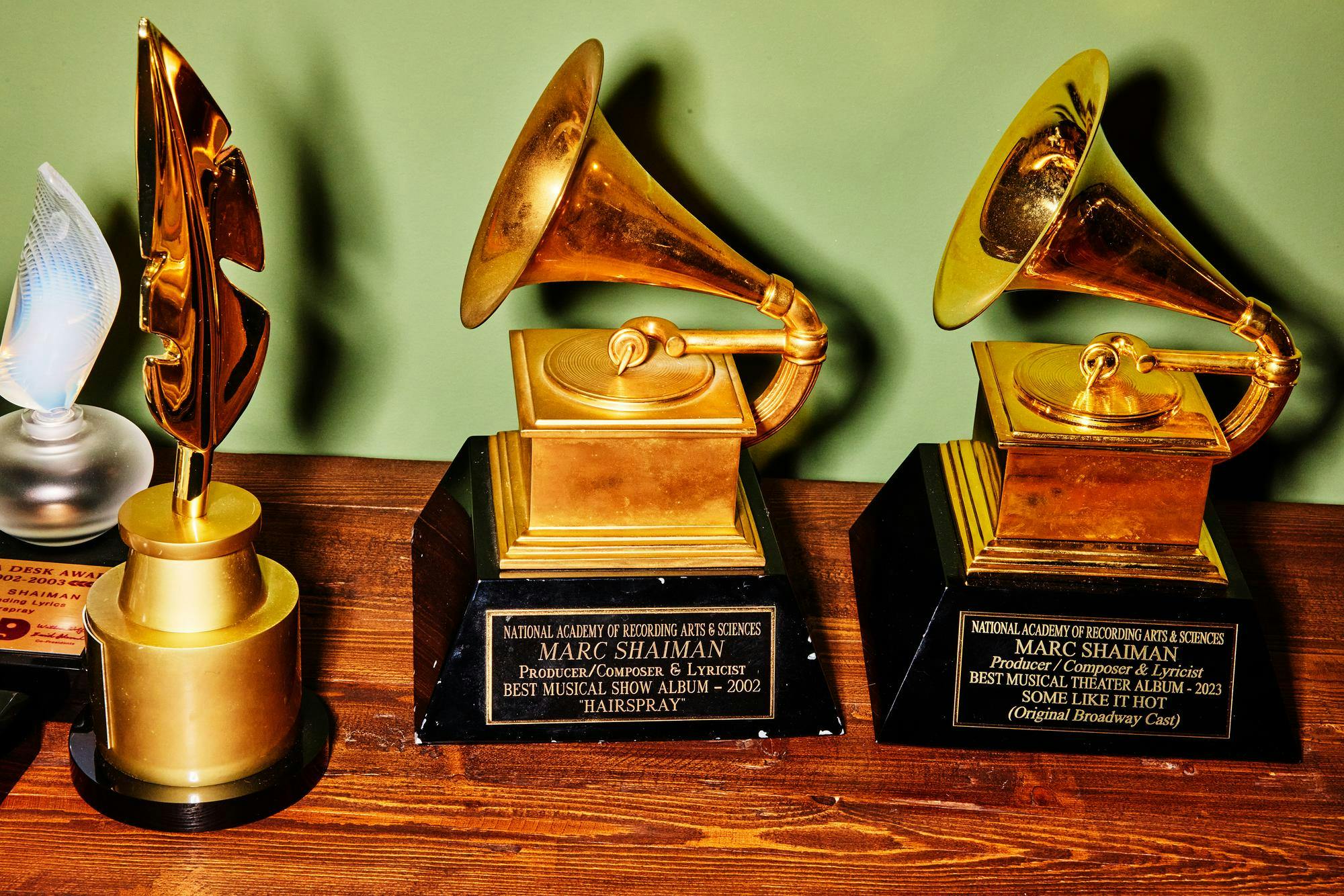
Another year, another Grammy Awards, but the air inside the Crypto.com Arena felt charged long before the first award was handed out. Camera flashes ricocheted across the red carpet, the crowd’s anticipation humming beneath layers of couture and choreography. The 68th annual Grammys unfolded in Los Angeles on Feb. 1, hosted by Trevor Noah in his last year as emcee and was aired by CBS. This year’s Grammys were something more than an industry celebration; the ceremony was a showcase of both talent and the moment we’re living in.
The emotional temperature of the night was shaped first and foremost by the performances. Sabrina Carpenter took the stage with a theatrical rendition of “Manchild,” her choreography and dramatic lighting transforming the venue into a polished pop spectacle. Every movement felt carefully constructed, turning the performance into something visually striking and deliberately over the top. In contrast, Justin Bieber’s entrance could not have been more stripped down. He walked onstage in shorts, shirtless, sockless and holding his iconic purple guitar. Piece by piece, the layered beats of the song fell away in an acoustic breakdown, removing the spectacle entirely. The stage grew quiet, leaving only raw vocals, minimal instrumentation and emotion, a performance driven by intimacy rather than production. Moments like this capture the push and pull that defines artistic expression.
Lady Gaga’s rendition of “Abracadabra” blended cinematic lighting and bold visual flair, making every moment of her performance feel magical and larger-than-life. One of the night’s most striking moments came during the tribute to Ozzy Osbourne; the camera shifted to his family as the stage lit up with flames while Post Malone led an ensemble that evoked a sense of honor and reverence. Lauryn Hill, joined by Lucky Daye, Leon Thomas, Raphael Saadiq and many more, paid tribute to Roberta Flack and D’Angelo in a heartfelt performance, letting emotion take center stage. These performances encouraged the audience to sit with remembrance, tension and awe, fully immersed in the moment.
It’s important to recognize all the artists who were nominated; even if they didn’t take home a Grammy, their talent and dedication alone demand celebration. Among the winners, Olivia Dean emerged as Best New Artist, while Billie Eilish claimed Song of the Year for “Wildflower.” Kendrick Lamar earned Record of the Year for “Luther,” while Lady Gaga captured Best Pop Vocal Album for Mayhem, together affirming hip hop’s power and pop’s fearless reinvention. Bad Bunny’s DeBÍ TiRAR MáS FOToS took Album of the Year, marking the first time a Spanish-language record earned the honor. Beyond this historic win, Bad Bunny’s speech honored his roots and those who “had to leave their homeland to follow their dreams.”
Even as the Grammys remain a celebration of music, it’s hard to ignore what’s going on in the country right now. This year’s show carried a quiet but palpable tension as many artists used their platforms to speak out, whether through the subtle defiance of “ICE Out” pins or the heartfelt words of their acceptance speeches.
As the child of immigrants, I felt that courage deeply — a reflection of my family’s journey and the journeys of millions seeking belonging. Like so many, I’ve been shaken by the fractures in our country, by the ways we push against one another instead of with each other. That same sense of unity shone in this year’s Super Bowl, where Bad Bunny’s performance was a celebration of love, rich with cultural storytelling and symbolism, embracing what it truly means to be an American.
Bad Bunny put it best: “We’re not savages, we’re not animals, we’re not aliens, we are humans and we are Americans. The only thing that is more powerful than hate is love.” That night, and in moments like it, we’re reminded that we are always stronger together, bound by empathy, compassion and a refusal to let division win.
Mikayla Tetteh-Martey is a member of the Class of 2027 in the College of Agriculture and Life Sciences. She is a staff writer for the Arts & Culture department and can be reached at mtetteh-martey@cornellsun.com.