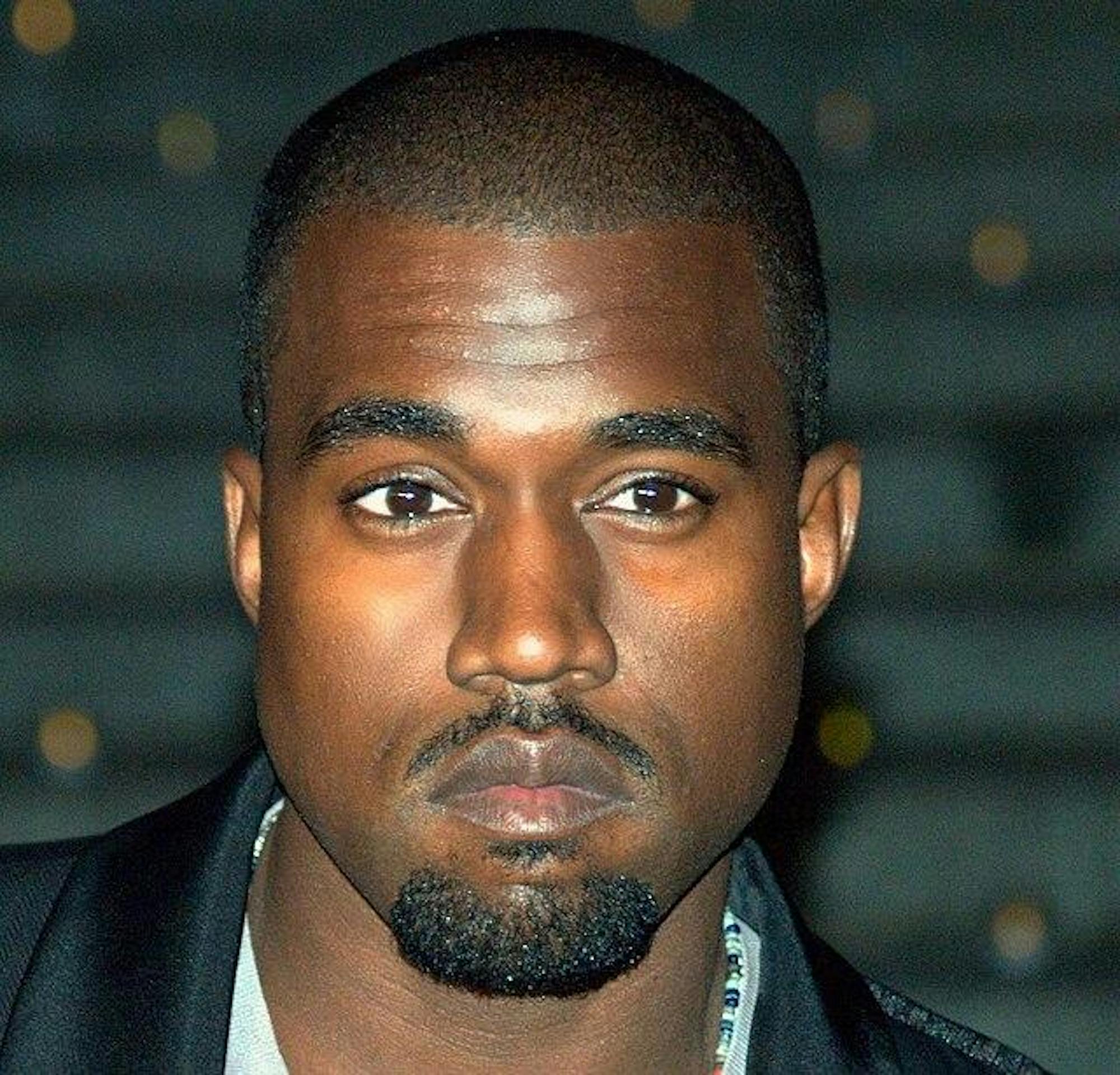
In the age of celebrities, an apology loses its strength as a private act, becoming a public ordeal in which millions of people pass judgment on an individual and crowdsource forgiveness. Ye, formerly known as Kanye West, released an apology in the Wall Street Journal, describing his struggles with bipolar disorder and brain trauma. Ye attributes his behavior to struggles with mental illness, though the harm caused outweighs any explanation. Ye underwent a destructive path of antisemitism and disregarded the Black community. Since then, self-awareness has returned as he writes, “My words as a leader in my community have real global impact and influence. In my mania, I lost complete sight of that.”
The swastika appears on Ye’s recent merchandise, social media and music. In recent years, Ye has promoted antisemitism using the Jewish community as a scapegoat for his personal tragedies and wrongdoings. By doing so, Ye references antisemitic groups and spreads hatred toward a marginalized community. Once known for raw lyricism and public life, Ye has shifted from controversial to hateful.
On Monday, Jan. 26, 2026 — four days before the planned release of his album, Bully — Ye published a full-page apology printed in the Wall Street Journal. Within the letter, he describes his aforementioned mental health struggles, tracing these issues back to a car accident he was in 25 years ago. Additionally, he points towards misdiagnoses of his condition and manic episodes as contributing factors to his hateful rhetoric. Ye writes, “I lost touch with reality. … I said and did things I deeply regret.”
In addition to his description of his mental health struggles, Ye offers an apology for his antisemitic rhetoric and for having “let down” the Black community. The apology appears remorseful, acknowledging the hateful messaging he has spread and addressing the affected groups directly. Furthermore, he writes, “I write today simply to ask for your patience and understanding as I find my way home.” The letter ends with an apology for his behavior and an explanation that he is not offering an excuse.
The apology is released at a convenient time. The album, prior to its delay, was supposed to be released four days after the apology. Remorse for Ye’s actions will be accepted; however, given the situation and an album on the horizon, it is questionable whether the letter counts as true remorse. Actions to remedy the situation and aid in healing the suffering caused would show true growth. Regardless of how sincerely written the apology is — and the letter does sound like Ye’s words — it must be understood that he has music releasing within a week of this spectacle.
Celebrity apology culture is a broken system. A prominent figure commits a wrongdoing, and in this instance, is outwardly hateful and bigoted, and they then release an apology, hoping to return to their place as a celebrity again. Celebrities understand that they become a brand, a vehicle for themselves and others to profit from their name alone. Ye, a man who named a clothing brand after himself, understands this. So, when the prospect of an apology can affect album and merchandise sales and the celebrity's brand power, the morality of a situation becomes entangled with capitalism. Celebrities do not address the harm they caused and step down from their prominence; they hope to return and continue to profit from it. As morally righteous as Ye might have been when he bought that full-page ad in the Wall Street Journal, the upcoming album and the apology became conflated; both are bought and sold to the masses with the hopes of making a profit.
Ignoring the profiteering of making an apology, when a celebrity acknowledges their wrongdoing it is always in a public setting. The power behind an apology lies in action, remorse and in continuing to do those things in privacy. The message spreads more widely from a Wall Street Journal article — this message is that Ye wants everyone to know he feels bad; we have no way of knowing if that is how he truly feels. A celebrity's public apology is tailored to elicit a positive reaction from the public. I read the apology and felt like I was listening to a changed man. That change, however, has yet to happen. A statement and acknowledgment is the first step towards change — the second step towards change is not releasing a new album days later. That is profiteering.
Everyone loves a redemption arc; the villain realizes the error in their ways and turns face. A redemption arc sells; It is a feel-good story and an opportunity to regain an audience. A redemption arc can work in the movies, but celebrities and Ye are not movie characters — they are real people who have committed real wrongdoings. The apology Ye released will be accepted by many, because many people want to think that even the worst of people can change. We as humans yearn for that redemption arc because it disproves moral permanence: If Ye can change, anybody can.
The apology came at an undeniably convenient time. As much as I want to believe that he has changed and can be redeemed for his behavior, change has not truly occurred. A statement has been made, an album is on the horizon and the parasocial relationship that people have with celebrities will absolve Ye of any wrongdoing, making his newest release a hit. Ye will not be the last celebrity to apologize for hateful behavior in an attempt to regain fame. An apology is sold to the public just as an album is — but forgiveness is earned through time and silent action, not bought in an advertisement.
Brayden Rogers is a sophomore in the College of Arts and Sciences. He can be reached at bjr236@cornell.edu.
Brayden Rogers is a member of the Class of 2028 in the College of Arts and Sciences. He is a columnist for the Arts & Culture department and can be reached at brogers@cornellsun.com.