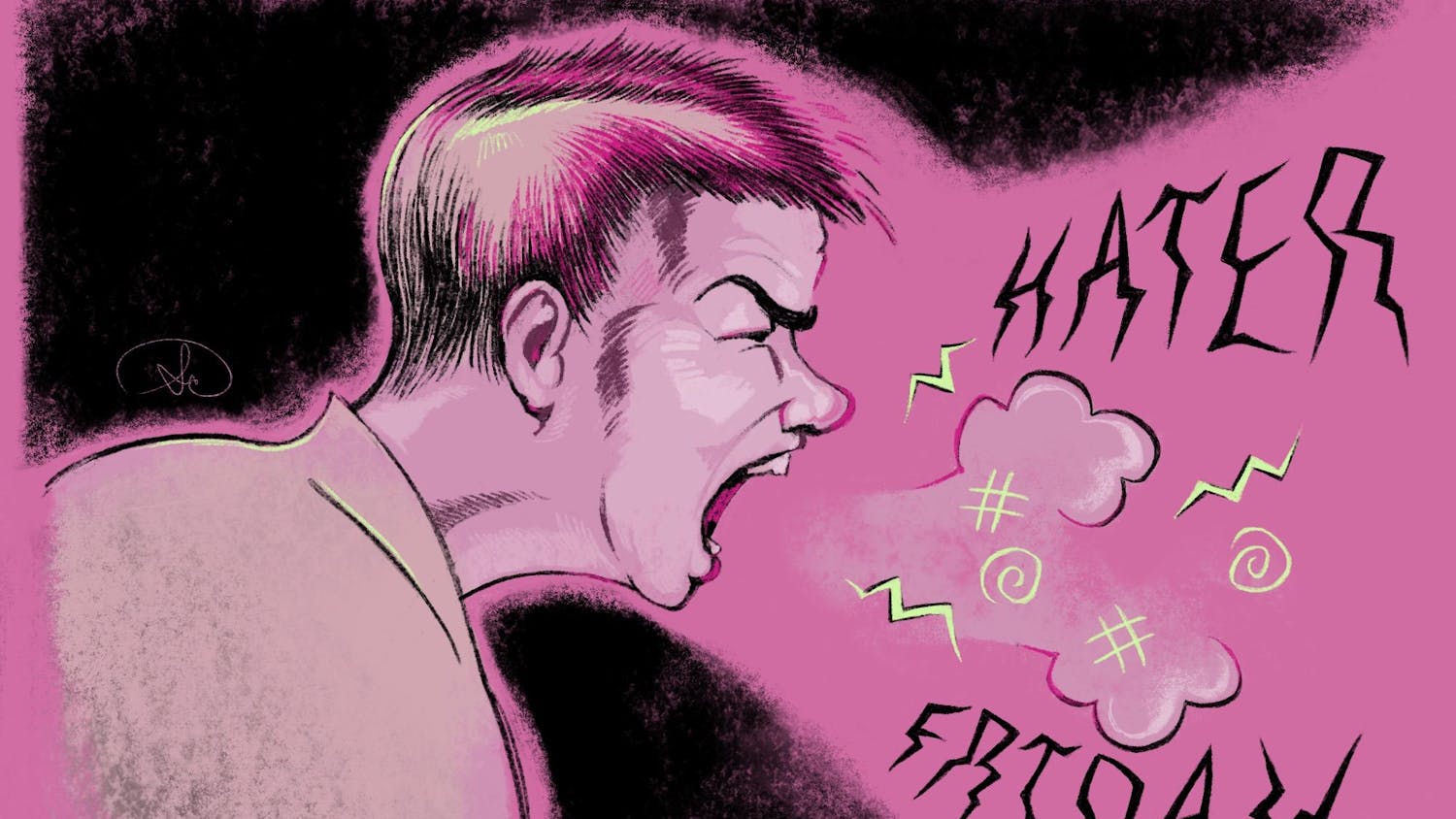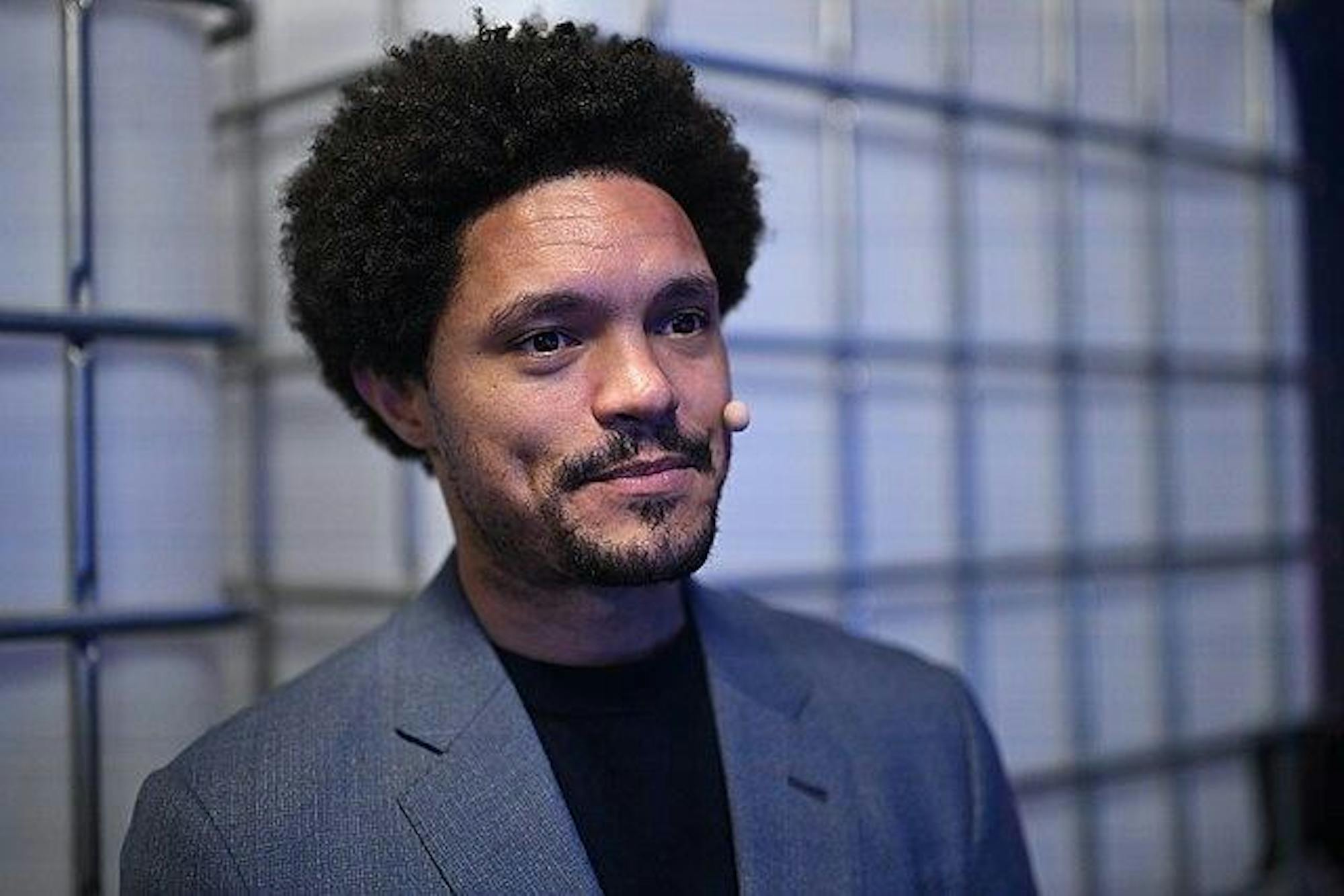
Last week, Trevor Noah hosted the 68th Annual Grammy Awards for his sixth and final time, leading the array of celebrities through the night with commentary both comedic and reflective of current events. As Billie Eilish accepted her award for song of the year, Noah remarked, “that is a Grammy that every artist wants almost as much as Trump wants Greenland.” What seemed to really strike the president, however, was the host’s additional comment: “Which makes sense, I mean, because Epstein’s island is gone, he needs a new one to hang out on with Bill Clinton.” Comedians like Noah have long used satire as a vehicle to comment on political issues, but Trump’s retaliation, pledging to be “suing him for plenty$” on Truth Social, raises questions on how free speech in entertainment will function under this administration.
While the president has a history of legal battles with media organizations — ABC News, CBS/Paramount, The New York Times and several more — suing a private citizen is a different story entirely. Of course, Trump has filed his fair share of suits in the past; the key difference is that those were before he got into politics. If our president is able to privately sue entities, leveraging the weight of the Federal Communications Commission to achieve his desired result, how are entire media companies meant to defend themselves, let alone individual critics?
Aside from the hypocrisy of President Trump also being an avid supporter of free speech, this consistent usage of government-sponsored censorship may foreshadow a dark time to come. Beginning in 2024, Trump sued CBS for airing multiple clips of Kamala Harris’s interview on 60 Minutes, accusing the company of treating him unfairly because of political differences. While they eventually reached a settlement for $16 million, CBS did not apologize, nor did the money go directly to Trump, but rather towards his legal fees and the presidential library. Although the merits of this are already questionable given it was a private lawsuit, the settlement is made even more morally grey through the involvement of the FCC. Although the FCC is meant to be an independent watchdog organization and report solely to Congress, its new chairman, Brendan Carr, was appointed by President Trump. Not only has Carr consistently made decisions which side with Trump’s partisan opinions as the president, but decisions which have directly aided Trump’s actions as a private citizen.
Over the course of nearly a year, Trump utilized this connection with Carr to push his own agenda and escalate the legal conflict, calling the sales and mergers of CBS, and its parent company Paramount Global, into question with the federal government. After CBS cancelled The Late Show With Stephen Colbert, another fierce critic of the administration, the FCC approved its parent company’s sale to Skydance Media. In a similar way, Carr used the threat of preventing business deals and mergers between ABC and other companies to get Jimmy Kimmel temporarily suspended after he spoke partisanly about political commentator Charlie Kirk’s death.
Despite being such fierce critics of cancel culture and avid supporters of free speech, the fact that those like Trump and Carr will so blatantly abuse their power in order to silence anybody who critiques their practices or politics is deeply concerning. With Netflix’s deal to purchase HBO undergoing review by antitrust regulators, does all of their content need to match with the politics of the president? With new facts coming out about the Epstein files and Trump’s involvement with the New York financier, will the president sue each content creator whose TikTok video garners a few million views ‘insulting’ him?
Although many legal scholars have found these tangles not to be based in the law, each case has been settled over fear, limiting freedom of speech and preventing people from speaking out. Not only does this recent threat towards Trevor Noah stand as a scare tactic and a rejection of the First Amendment, but an aim to remove meaning from art. Art, media and Hollywood are all inherently political industries fueled by free speech — removing something as vital as political satire essentially removes that voice.
Aarav Bavishi is a freshman in the Brooks School of Public Policy. He can be reached at arb438@cornell.edu.
Aarav Bavishi is a member of the Class of 2029 in the Brooks School of Public Policy. He is a staff writer for the Arts & Culture department and can be reached at arb438@cornell.edu.