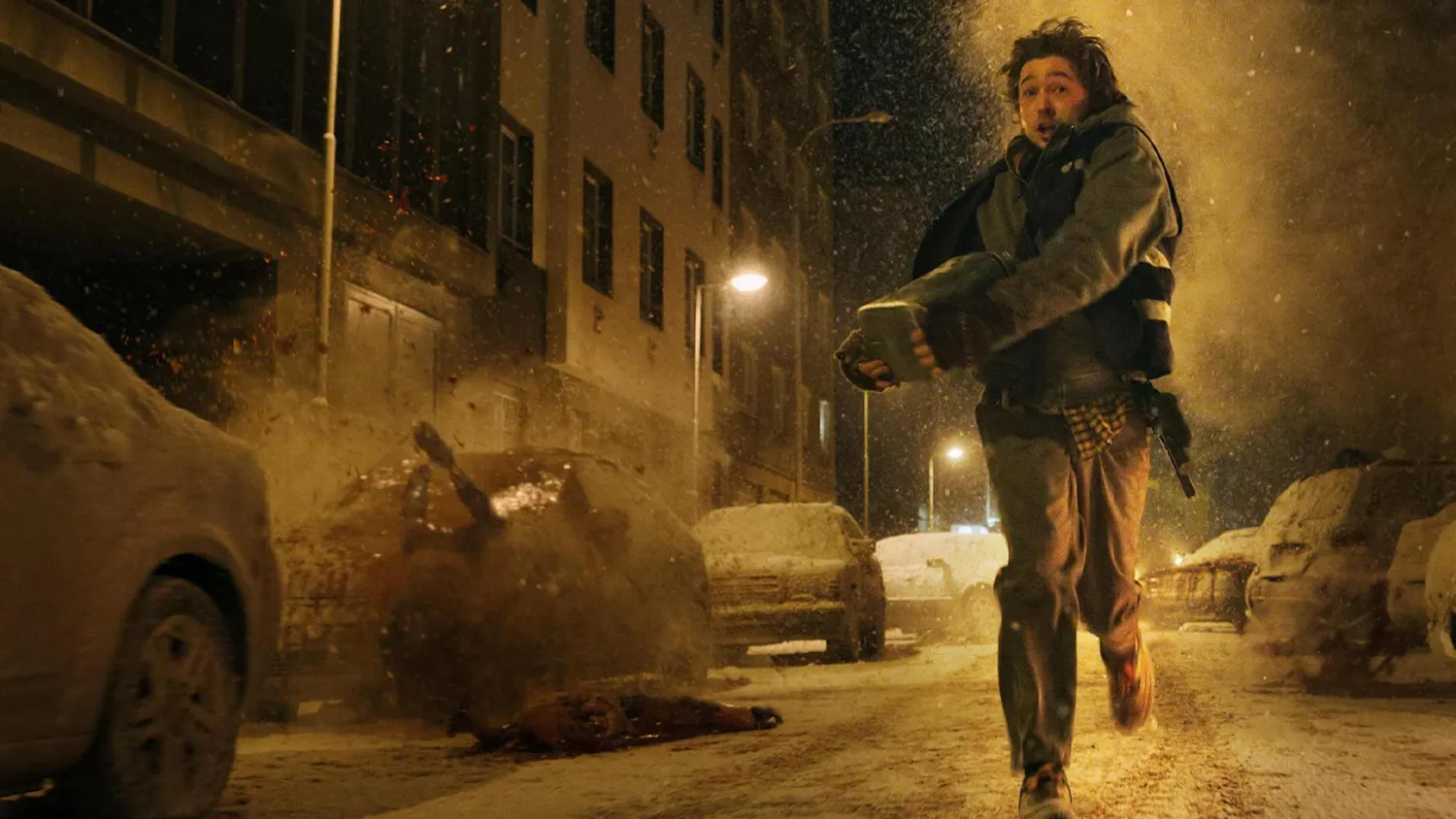
The director yells, “Cut!” A crowd forms around one object, and you step closer to see what’s happening. The sea parts, and you find a camera. Everyone is trying to get closer to the small screen. That, Pen Densham explains, is the magic of the camera. “You put one up, and people come to see what’s going on,” he said. Densham got his first camera when he was 11 years old. After the early passing of his mother and a difficult childhood, Densham found magic in images. He said, “[I] was always looking to try and do something with [cameras], because they seemed magical. They seemed like I should do something special with them.” Densham left school at 15, and at 19, he left England, his home, to find better film opportunities in Canada. This move wasn’t without its challenges. Densham described feeling unsuccessful in England with no future in film. Fortunately, he found a culture focused on supporting and cultivating creativity in Canada and soon started his own film company, Insight Productions, with his colleague at 22. In my hour-and-a-half-long interview with director, writer and photographer Pen Densham, we discussed the value of support, the different faces of success and how to trust yourself.
Densham has received two Oscar nominations for his films Life Times Nine and Don’t Mess with Bill. In 1977, he and his colleague John Watson received the Silver Jubilee Medal from Queen Elizabeth II for their arts contributions to Canada. But, Densham explained, there is an uncertainty to creativity. “I think success is sold to people as a motorboat … [but] success is a sailboat. You hit the island once in a while, and then you go out in the doldrums or you sink and have to build the damn thing again. And I’ve sunk many times, and I have many scripts that didn’t get made,” Densham said. While awards are beneficial for recognizing a film’s greatness, they are often subjective and do not determine the true value of a creative work. Success, as Densham put it, is not a one-way road. It often includes curves, roadblocks and even full stops. And that is why support is so significant.
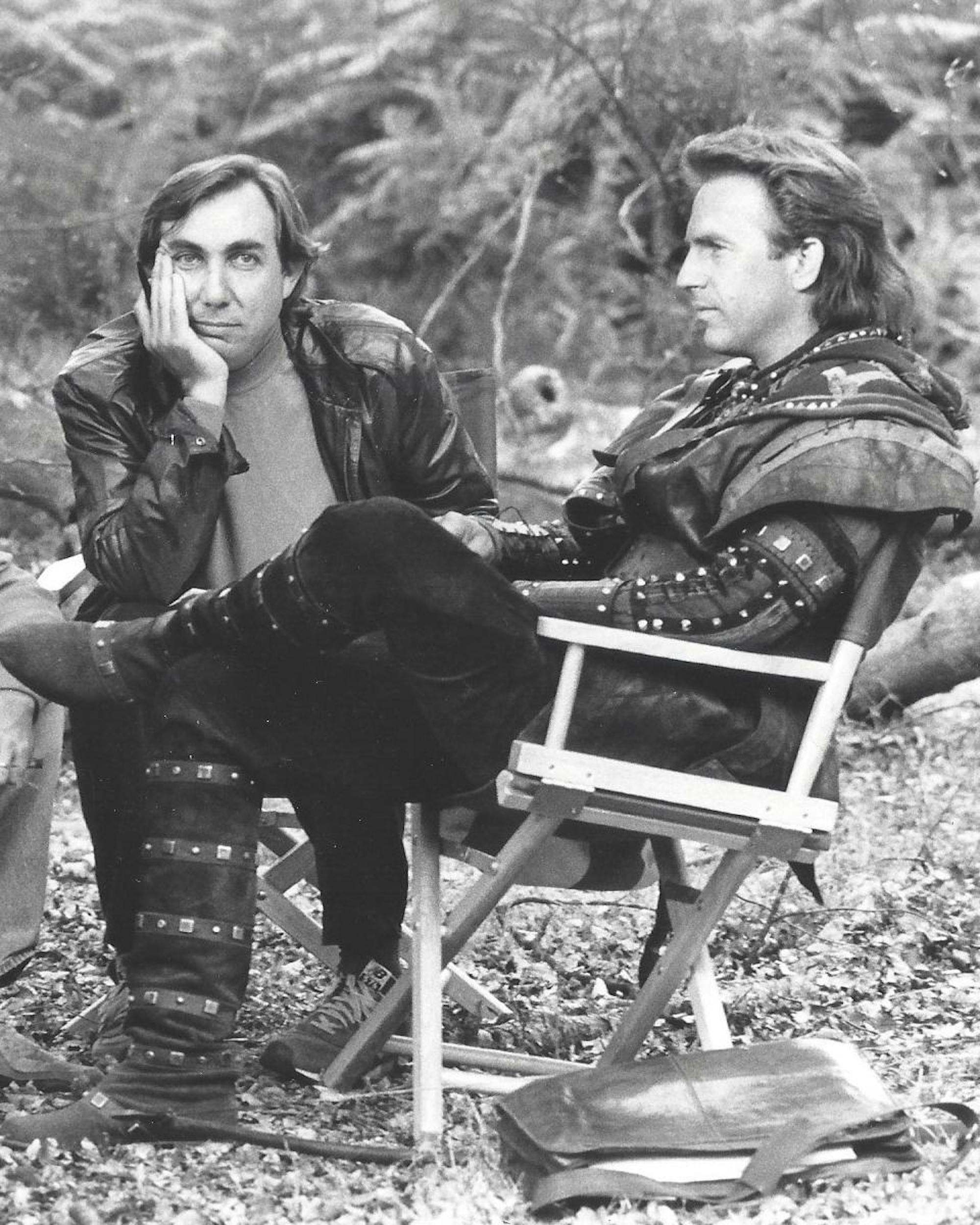
One of Densham’s most notable films, Robin Hood: Prince of Thieves, was close to never being made. After having his son with his wife and embarking on the great endeavor of raising a child, Densham wanted to create a film with values that support a child’s growth. Robin Hood, starring Kevin Costner, follows a boy’s journey as he realizes his flaws and works toward self-actualization. The script was rejected by three studios, and Densham was ready to ditch the idea when his assistant expressed support for the project, encouraging him to continue, which he thankfully did. “I don’t think we can judge what we create as we create it,” Densham added. We are often our greatest critics, and external support can pull back the imposter syndrome curtain and reveal great potential. Yet, it’s also important to protect your projects.
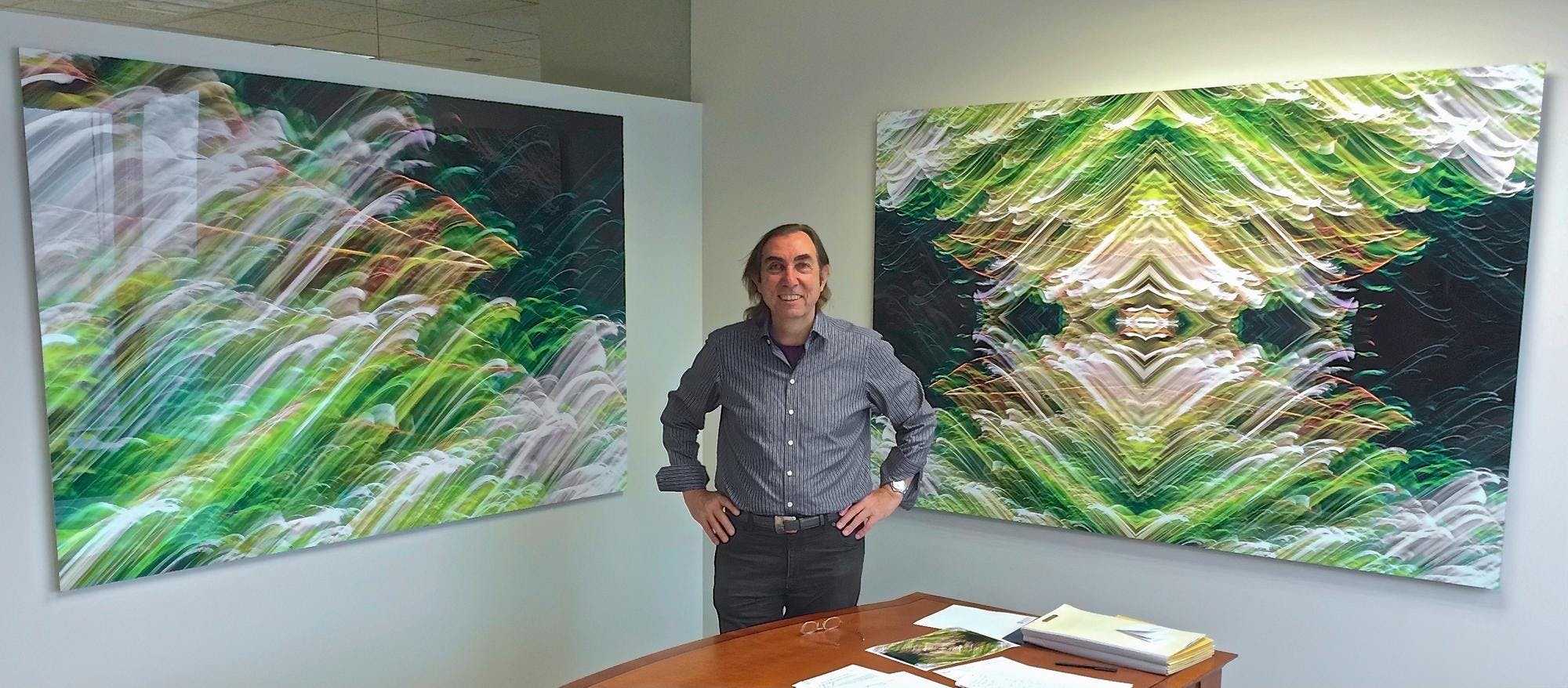
Densham began writing the script for Moll Flanders, starring Robin Wright and Morgan Freeman, after Robin Hood. He came up with the last lines of the script, a moving scene between a mother and the child she left at birth, before he started writing. However, he refused to tell his work partners about the script because he knew they’d be discouraging, stating that the story wasn’t “commercial.” Densham said, “I got more films made by letting my instincts take me to places to create, as opposed to writing for the studios.” Searching for profitability can plague creativity in film studios as they try to invest in what they know will sell. Thankfully, Densham protected the Moll Flanders script and directed the movie in ’96. Densham has continued directing and writing films with The Last Full Measure in 2019, but he has also stepped into photography. Within a studio system, he is locked into their production lines in order to get films made, which he compared to working for the Pentagon — “full of bureaucracy.” Densham explained that he is “emancipated by photography,” and it started with the simple question: Why are you holding the camera still every time you take a photo? With the unfortunately simple answer: “Because I was told to.”
Photography, like any field, has its own limiting norms; the standard is in focus and clear pictures for the most objective capture of reality and life, and anything outside of this is “experimental.” The title of Densham’s nature photography book captures the essence of his style. Qualia: a philosophical term for the subjective aspects of the conscious experience; what it is like to experience or what cannot be described objectively. “I suddenly found that I could sculpt things out of certain images. … Shaking a camera at a tree makes a tree look like it's full of energy, bursting with life and dancing with vibrance,” he said. He explained that it was hard at first to step away from the rules of photography, but once he did, he saw the beautiful images he could create. His inspiration was largely his daughter’s photography; she borrowed his cameras at 14, and he was astonished by what she captured. Photography often aims to grasp some objective reality, but, as Densham has demonstrated, it can also capture qualia. His vibrant images with a great sense of movement speak more to the energy of a moment rather than trying to get the “perfect picture.” This is a part of creative exploration and trusting yourself and your art.
There is a great uncertainty in the pursuit of creative paths. Densham’s words of advice as he reflected on his career resonate for anyone at the start of something new: “My errors of omission have cost me far more than my errors of commission … the things that you don't do because you're trying not to be difficult, or you're trying to not put yourself in a challenging place, are the things you'll regret.”

Sophia Romanov Imber is a member of the Class of 2028 in the College of Arts and Sciences. She is the associate editor for the 144th Editorial Board and was an assistant arts editor for the 143rd Editorial Board. She can be reached at sromanovimber@cornellsun.com.