One of the oldest drama programs that this country has to offer, the Performing and Media Arts Department at Cornell offers a breadth of experience in the scholarly exploration of the stage and screen, with studies that roam across theater, film and dance. However, when compared to the experience-based programming that the department provides for film and dance, the theater study at Cornell is heavily based in dramatic theory, with more of an emphasis on the scholars’ outlook on theater rather than the artists. Aside from design laboratories and two course progressions on acting and directing, most theater classes are dramaturgical, researching theater history and artistic context. While dance reviews and film festivals happen every year, department productions meant to provide experience for theatre artists are less frequent. When they do commence, auditions are often closed to lower level students. If you are a theater student at Cornell, you may only have an opportunity to participate in an academic production once in your college career, or perhaps not at all. To gain a knowledge of how to work in a developing production environment, students turn to student-run organizations such as Melodramatics Theater Company and Cog Dog Theater Troupe, relatively new student groups that produce around six productions a year. Within these organizations, direct production involvement is vital, and when theaters in the immaculate Schwartz Center for the Performing Arts only open their doors to department projects, these productions are held in the Risley Theater.
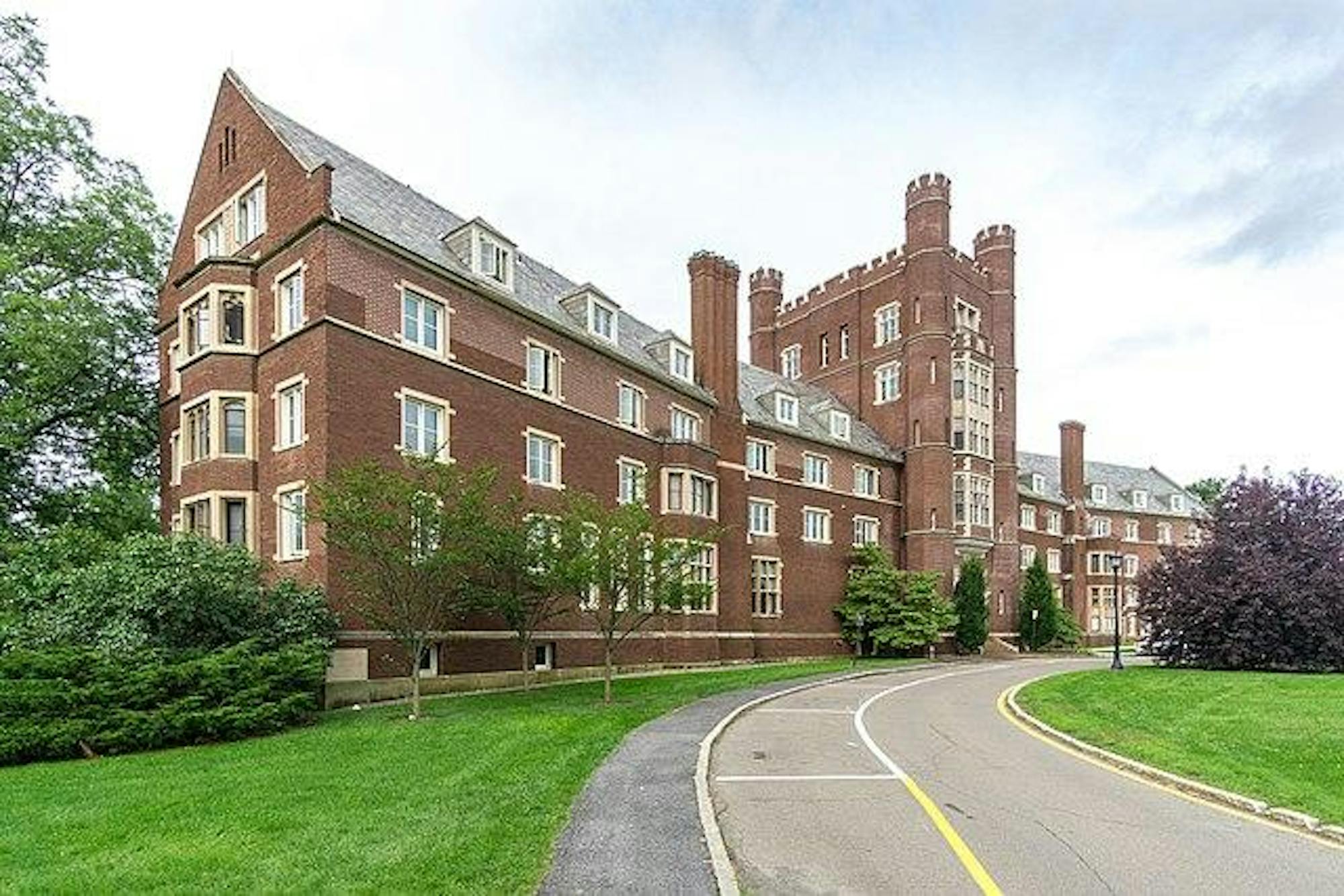
Risley is the small, gritty predecessor to Schwartz, built decades before the center’s opening in 1989. For generations, Risley has served as one of the only performance spaces for student projects. While centered around theater, Risley has been the home to dance, comedy and art projects, becoming a place that dozens of artistic groups rely on. In the midst of its unexpected closure this semester, these groups have been left stranded, uninformed about the return of the vital resource and unsupported when scrambling to find a new space. The rumor mill of Risley chalk the closure up to mold, lead or asbestos, but all that’s known is that the closure is due to a health and safety inspection. When groups such as Cog Dog reached out to Environmental Health and Safety for a better understanding of the inspection process and an expected reopen date, they received a vapid, delayed response, only stating that the space would be closed for the fall semester, with no explicit details or promise for next semester: “EHS and SCL met this past week about the Risley Shops & theater. Communications are being handled with our SCL partner who is working on this.” This was the first of a chain of identical messages sent to Cog Dog’s technical director. The response was given long after deadlines for booking a new space had passed, forcing the groups to reckon with logistics issues that they had no expectation of dealing with.
When theater groups asked PMA to lend them one of their four pristine theaters, in an effort to provide some support to organizations that a majority of their undergrads participate in, they refused. Citing rules of overlapping productions and noise concerns, PMA abandoned student groups with no concern for the health of artistic production, essentially leaving them out of suitable options. In preparation for the possibility of the closure continuing into next semester, PMA closed its doors for the spring as well, enforcing a hard and too-early deadline of Sept. 1 for spring productions. The two Cog Dog plays this semester were required to make major sacrifices in order to adjust to the needs of a space that didn’t prepare for a theater project. Hurricane Diane will be performing in the Alternatives Library, halving the stage space, technical capabilities and audience capacity they originally had with Risley. Who’s Afraid of Virginia Woolf? will be performing in Cornell Cinemas, but to cooperate with their established film schedule, they will only be able to perform for one show.
Cornell PMA is reliant on student production to garner excitement towards the University's artistic community, and consistently enhance the skillsets of performance art students. Student theater organizations are the main avenues for student artists to highlight original writing, such as Cog Dog’s Girls! Girls! Girls!, and auteur stage direction, such as Melodramatic’s Spring Awakening. It is the main avenue for theater designers to practice their lighting, sound, costumes and set design skills outside of a classroom setting. The students who work in these productions approach it with the attention that they would approach a class, pouring in most of their extra time. And when most, if not all, of these students study a major outside of PMA, they are exercising a trust in their fellow students to provide them with dramatic educational attainment and practice that they are not willing to exercise within the department. The resources that the PMA department has to offer are incredibly valuable, and with an effort to collaborate with existing theatrical involvement, the capacity for art at this university could rise to a quality we haven’t yet seen. But alas, that would necessitate a trust in the student body that the department hasn’t yet given, and it would necessitate a regaining of trust from the student body that will be difficult to achieve. For now, the Schwartz sits empty and quiet for most of the year, and student theater does what it has done best, make magic by themselves.
Caroline Murphy is a sophomore in the College of Arts and Sciences. She can be reached at cqm8@cornell.edu.