

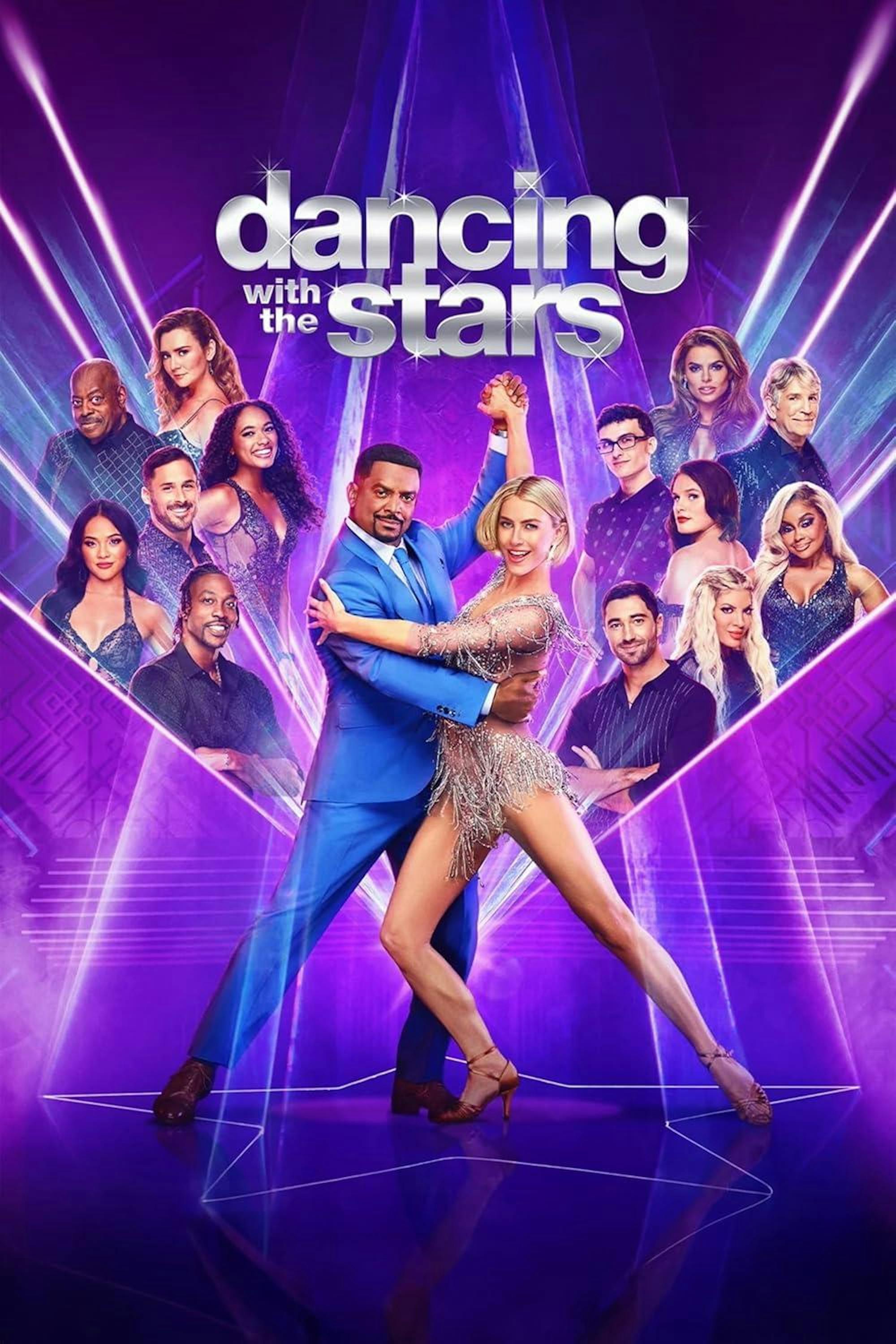
After nearly two decades on air, Dancing with the Stars remains one of the longest-running reality competition shows in television history. Its format — pairing celebrities with professional dancers in a glittering ballroom competition where fan voting determines the outcome — has captivated audiences since its debut in 2005. Yet, longevity and relevance in today’s entertainment landscape are not easy to sustain. By the mid-2010s, the series experienced a dip in ratings, losing momentum due to an increasingly digital and fragmented media environment along with a general loss in interest from its current viewers. So, how did the show rebrand itself and reconnect with a whole new audience?
The show’s revival can be attributed to its adaptation to digital platforms, the introduction of a younger generation of professional dancers and the integration of social media engagement. By expanding to more streaming platforms, DWTS not only expanded accessibility but also repositioned itself within Gen Z’s viewing habits. The new Season 34 premiere episode drew over 8 million viewers across ABC, Hulu and Disney+ after three days of airing — an 18 percent increase from last season — and generated 21 million fan votes, up 163 percent from the previous year’s debut. This resurgence reflects how DWTS has evolved into a multi-platform experience, where clips, highlights and behind-the-scenes footage circulate on TikTok and Instagram, reaching audiences who might never have watched a full broadcast episode.
This rebranding effort has also been visible through the rise of new pro dancers. While DWTS has always depended on the charisma and talent of its professional dancers, recent additions — such as Rylee Arnold and Ezra Sosa — have introduced the realm of social media into the show. Both are active social media personalities, cultivating fanbases beyond the show’s weekly episodes. Their online personas extend DWTS’s reach, sharing an intimate look at rehearsals and outtakes. For younger audiences, this transparency resonates. Gen Z viewers value authenticity and originality; they want to see the behind the scenes and bonding moments between the celebrity and the pro dancer just as much as the performance. But while the younger pros like Arnold and Sosa have injected a newfound energy into the show, they must also be able to adapt to the show’s fast-paced nature and take on the role of mentor and teacher toward their celebrity partners.
Season 34 echoes this new generational bridge more evidently. The lineup includes a diverse group of contestants — ranging from Australian TV personality Robert Irwin to Olympic gymnast Jordan Chiles to TikTok influencer Alix Earle — reflecting the show’s conscious effort to attract a broader and younger demographic. For instance, week three’s theme was TikTok night, a theme that exemplifies DWTS’s approach to stay relevant. Contestants danced to viral songs and trends: Alix Earle and partner Val Chmerosky’s danced a quickstep to the TikTok song “Pop Muzik,” while Robert Irwin and partner Whitney Carson danced to “Million Dollar Baby” and Scott Hoying and partner Rylee Arnold brought K-Pop energy to “Like Jennie.” While the performances were lively and upbeat, the choreography felt secondary to the dances, which seemed choreographed less for the ballroom judges and more to entertain the audience — with an emphasis on energy rather than technical dance style.
So, with the ever-changing landscape of social media presence and reality television, there’s a fine line DWTS has to walk. In appealing to Gen Z, the show can’t lose sight of what had made it iconic for nearly two decades: the artistry, elegance and discipline of traditional ballroom dance. From the graceful waltzes to the precision of the foxtrot and the passion of the tango, these styles are the fundamental core of what the show was made for, and they are what separates it from becoming just another reality dance show. Yet, the reality remains that much of DWTS’s new fanbase comes from Gen Z, and the show must evolve to stay commercially viable. Thus, striking the balance between tradition and innovation is critical. So although the introduction of upbeat, contemporary styles keep the show fresh and relevant, the heart of the competition must remain rooted in the ballroom. The challenge for DWTS moving forward is to continue evolving without losing its essence — to keep captivating new audiences while preserving the artistry of ballroom dancing that has kept viewers watching all these years.
Alex Chou is a junior in the College of Architecture, Art, and Planning. She can be reached at apc97@cornell.edu.


