It's easy to forget how close we are to a global fashion capital when you're sitting next to a 23-year-old sporting a Minecraft T-shirt and sweatpants with mystery stains. But if you're familiar with the fashion sphere, you will know we are in the prime time of fashion weeks around the world. Fall fashion weeks are a sacred moment when brands come together and show off their major collections and the styles of the year. And if you’re just driven enough, you may land a spot working these events. This past September, New York Fashion Week occurred from Sept. 11 to 16 and showcased many powerhouse brands, ranging from larger known names like Alexander Wang and LoveShackFancy to lesser known ones like Lii or Diotima.
New York Fashion Week began in 1943, with Eleanor Lambert leading the charge to centralize press efforts around American fashion in New York City. In the midst of the Second World War, American designers who couldn’t travel to Europe created their own spotlight show called “press week.” This initiative began to grow until the infamous Battle of Versailles (no, not the one you're thinking of). During this event, American designers like Halston, Oscar de la Renta and Ralph Lauren went head-to-head with French houses to prove themselves among the best in the fashion world. As time went on, New York Fashion Week solidified into its own, showcasing American designers’ talent.
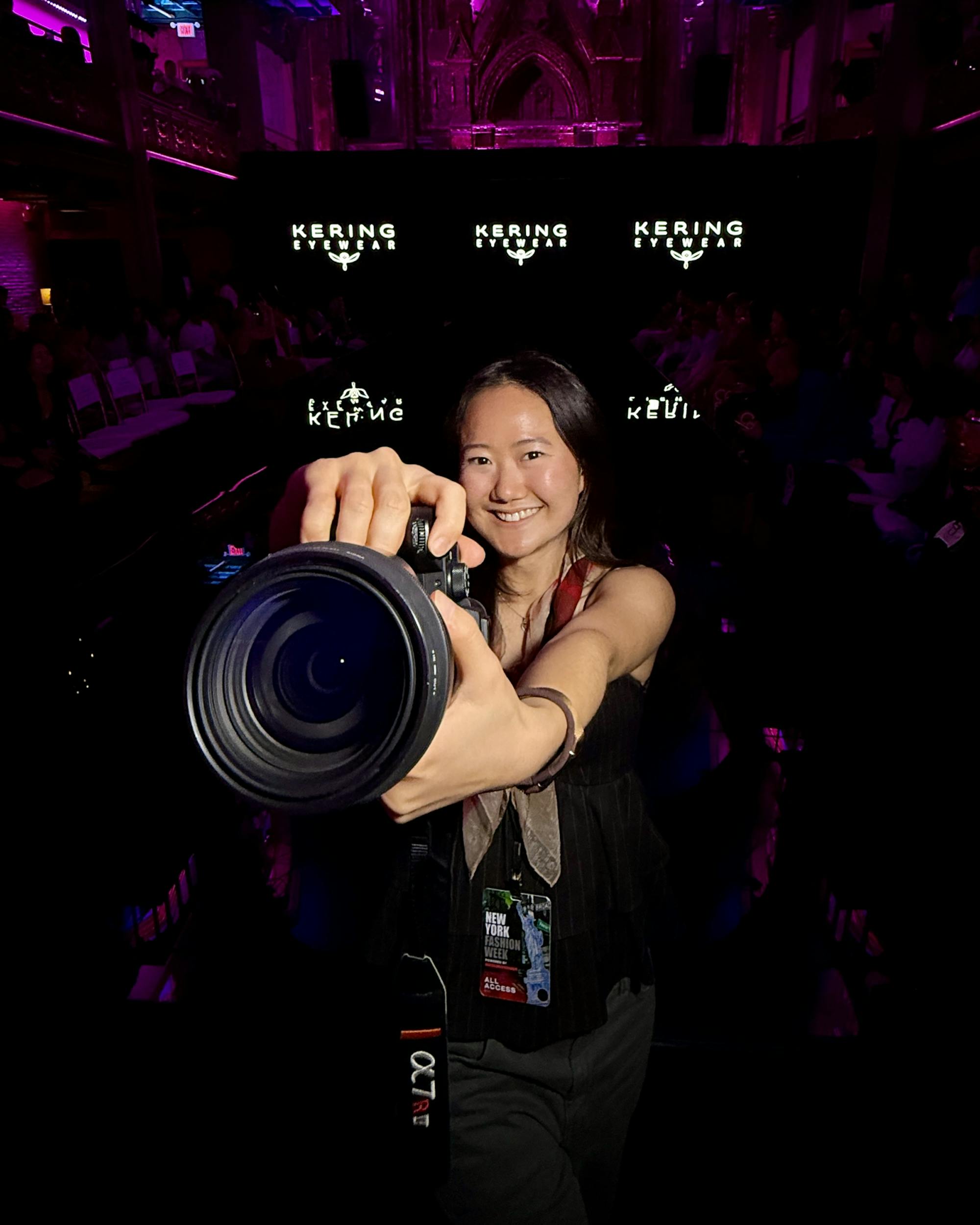
Experienced in everything New York Fashion Week is Julia Sun ’26, a chemical engineering student at Cornell who had the opportunity to photograph the iconic week-long event. Shooting for ArtHearts Fashion, a global organization that highlights emerging designers among established ones, she was able to go backstage, take runway photos and create content surrounding these talented designers. Under her Instagram handle @itsjuliasun, she documented her incredible experiences and stunning shots, with one TikTok in particular featuring Cambodian designer Almee reaching 3.1 million views. Her success lies in highlighting the designers’ work and talent among the participating models. “You have to give the dress the most respect,” Julia said in my interview with her. She explained that paying homage to the delicate and detailed nature of designing is the true goal of Fashion Week photography.
To Julia, fashion is an escape. The cramped pit, full of photographers granted the best seat in the house and hunched over their camera cases, is one of the most exciting aspects of the job. Photographers from all walks of life come together to capture the divine moment when the world falls away — when an incredible triumph of human creativity walks the catwalk. She sees the runway as a space to create unique experiences, where one can live in the moment and wholeheartedly appreciate pockets of perfection within this masterful craft.
Getting your start in the fashion industry is no small feat, especially when it comes to breaking into photography. Julia spoke of how, after shooting for the past three Cornell Fashion Collective annual spring shows, she felt inspired to take her passion even further, entering an internationally recognized arena. And so the grueling process began. She started to work in spaces with other passionate photographers, going to events to facilitate relationships with accomplished fashion photographers and sharing her goals with her like-minded peers. Until one day, after countless applications and new friendships, she got her break. She made the right connection, and before she knew it, she was flying to New York for Fashion Week. “You don’t have to be just good,” Julia noted, “you have to have a different vision, as well as connections.” This necessary trifecta must be accomplished, with a heap of luck, to fully break into the editorial fashion industry. She went on to discuss the true importance of networking with other photographers who had made their way into shows through knowing designers, photographers and industry professionals. She quickly learned that very few actually secure their positions through formal application processes.
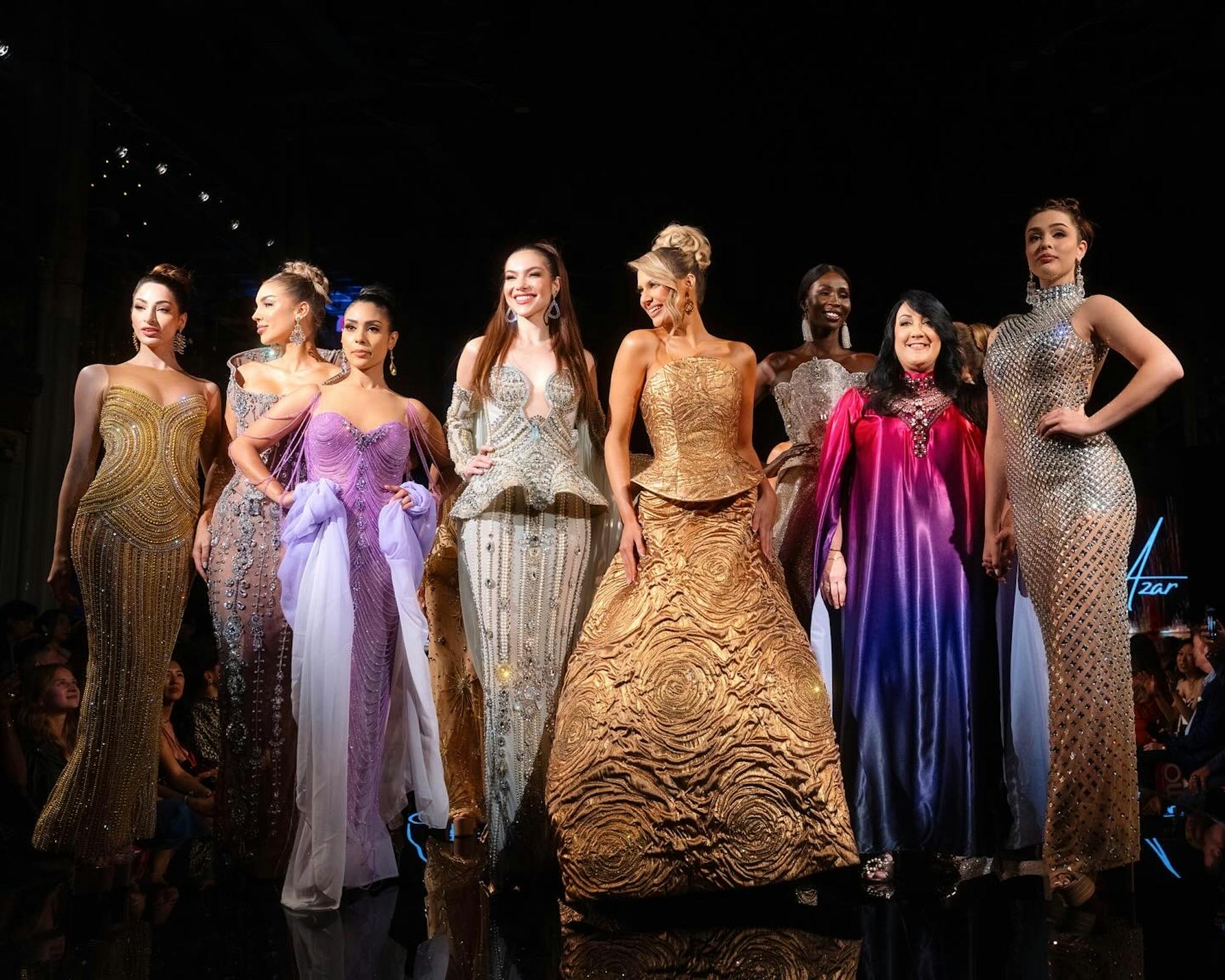
When Julia goes to shoot the actual show, she heads to the pit. This is the area at the end of runways where photographers sit, competing to get the best shot. Photographers sit on their Pelican cases (camera suitcases) for hours to hold their spots and ensure they get the perfect picture. She described the highly systematic composition needed to get runway pictures. The technical skill that goes into it takes dedication and practice: the feet must be aligned so you only see one, the body and garment in motion but not blurry, the model's gaze unwavering. All of these considerations run through Julia’s head as she captures these fast-moving models strutting down the runway.
She also had the opportunity to go backstage and witness the models — who are seemingly comfortable amidst all of the chaos that comes with show preparation. Their environment is full of makeup artists, hairstylists and organizers, all working together to make the show seem as effortless as possible. She describes how packed this area is, with media crews trying to capture this hidden aspect of fashion shows; the energy is palpable among the cohort. Tables are packed in rows, all spilling over with products. The models are pampered as they prepare for their debut.
Julia was especially fascinated by the rawness and honesty of this pre-show environment, along with the abundance of tall, gorgeous models in their skyscraper heels. Often, those that strut down the runway with such ease and grace give a false illusion of a no-prep production. As a result, the thought of what goes into it is barely considered. Julia wanted to contrast that perception by showing the demanding and, in fact, meticulously rehearsed, process in action and the intricate mechanisms at play.
Contrary to popular belief about the industry, Julia gushed over the kindness of everyone involved and their willingness to network and share stories. She noted the healthier culture in the industry and the substance now required for models to not only be gorgeous but to have charismatic personalities within their digital imprint, specifically calling out Alex Consani and Anok Yai.
“Fashion as a whole is pretty gatekept,” Julia explained, while also acknowledging the kindness and willingness of older professionals to welcome in the new generation. She enthusiastically encourages emerging photographers to think outside the box, use their community and resources to push boundaries and achieve their aspirations. She is currently setting up numerous editorial shoots here at Cornell, utilizing the on-campus fashion department and all the talent around her to practice her craft. For future photographers, she urges people to practice! Learn the techniques, develop a style and get some firsthand experience.
Please feel free to reach out to Julia at hhs68@cornell.edu for inquiries about future shoots, as she is looking for assistants!
Jess Agran is a junior in the College of Human Ecology. She can be reached at jba76@cornell.edu.