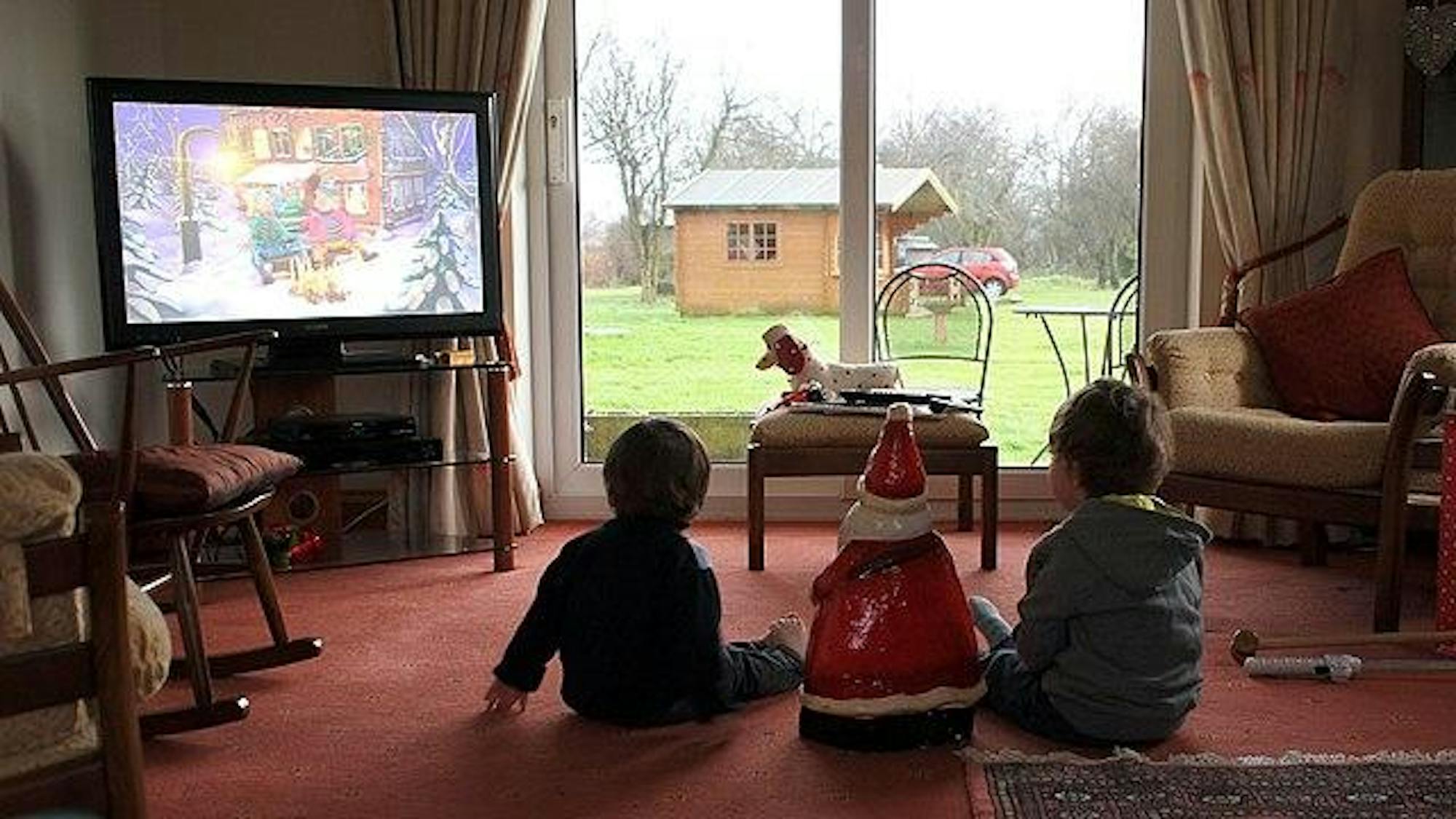
Five years ago — and relatively late to the game — my family made the switch. We bid farewell to the local news celebrities, the parent-approved channel numbers and the TV listing schedules that shaped my childhood. Just like the waves of cord-cutters before us, we canceled our cable TV subscription and turned our heads in the favorable direction of streaming services like Netflix and Amazon Prime Video. I mean, who could blame us? Compared to cable, streaming was cheaper and on-demand. It was desire-based and customizable; we could get exactly what we wanted from the media products we paid for. Why would we continue to submit to the limitations of cable television when streaming services offered us anything we pleased at the press of a button?
Ditching cable for streaming is not a novel choice; according to Forbes, “fewer than 50% of all TV households” in the United States subscribe to cable networks. This preference for streaming has taken over all of our media consumption, not just movies and shows. It has become something utterly essential to our way of life. Have you not noticed? Try to imagine a month without streaming services — it sounds dystopian. Say goodbye to the ease of Netflix, Amazon Prime, Hulu, Disney+ or HBO Max. If you want to watch a movie, you have to wait for it to air on cable or in theaters. No more would you enjoy the bottomless reserves of music on Apple Music, Spotify, Youtube Music, Amazon Music or SoundCloud. Live bands and vinyl records or CDs would have to do. Leaving behind short-form content, the addictive dopamine rush from scrolling TikTok, Instagram Reels, Youtube Shorts or Snapchat Spotlights (if anyone even uses that) would be extinct.
Today, streaming invites us to watch or listen to anything, at any time, in any place. Taking this away would create a world eerily quiet, deficient of the omnipresent noise of media entertainment we have become so accustomed to. But in this quiet is how we comfortably grew up, as the last generation of cable TV’s children. Although it is doubtful that cable will make a comeback — with the ease of streaming being all too alluring — there was a certain charm to the era of cable TV. Cable’s structured channels and listing schedules encouraged in our generation a healthier distinction between media consumption and life that is no longer fostered for kids growing up now, during the golden age of streaming.
Channels act as zones of exposure to unified thematic elements, carefully curating audience expectations. Like the songs of an album, the shows aired on certain channels are known for their subject matters and levels of maturity. Take a 2010-era Nicki Minaj album, for example. My parents supposed from her style (and Parental Advisory Explicit Content labels) that her songs were perhaps too grown-up for childhood me to listen to on the daily. So, too, a channel like Comedy Central was not green-lit in my household; it was obvious that its shows (South Park, in specific) were not created with kids as an intended audience. As a kid growing up with these structured delineations between various genres of TV and film media, it was made explicit from the get-go what you could and could not watch. For me, it was Disney Channel and Nickelodeon where I went for trusted shows. My parents handed me the remote with confidence, knowing I had a finite amount of kids-friendly channel numbers in my repertoire that I would stick to. This contained freedom of picking between specific “safe” channels made media consumption as a child growing up with cable very purposeful. Rather than being released into the uncertain and unsafe abyss of media, the structure of audience-based channeling allowed kids to find home, and even a community, in a couple sets of numbers on the remote.
A balance between entertainment and life was also shaped by cable’s essential element of scheduled TV listings. It was a peaceful time, one before binge-watching could take hold of a TV audience. Cable television providers had routine schedules in which shows or movies would be aired. It didn’t matter your personal schedule — a show would air when the cable gods (or, the TV provider) foretold. If your favorite show came on at five and lasted until six, the rest of your day could be molded around your bite-sized consumption of media. Cable TV values order; it does not just hand you what you want whenever you want it.
Moreover, these schedules assume when an audience would begin and end their daily watching. At a certain time of night, Cartoon Network morphed into Adult Swim, and it was evident to young me that it was time to turn off the television and start heading to bed. Cable TV has built into its listings an awareness of the “normal” or “correct” schedule of viewers, encouraging consumption at a planned time rather than at a whim.
Some of my favorite memories with cable were those days when I broke my own schedule — sick days. If you were like me, a sick day home from school meant turning on your favorite channel and opening a world of shows you had never before seen. These shows only aired during times you were otherwise unable to watch, making them all the more a treat. They were new! The charm of “sick shows,” as I like to call them, is rendered extinct from the switch to streaming. The autonomy of choice that streaming services provide counteracts the joy of just watching “what is on.”
Released to an open buffet of streamable media, kids today cannot hone the balance we were lucky enough to grow up with under the watchful eye of cable TV. And though I often fall under streaming’s beguiling spell of binge-watching, I miss the ordered decorum of cable. Five years later, the goodbye still stings.
Hazel Tjaden is a sophomore in the College of Arts and Sciences. She can be reached at hlt43@cornell.edu.

Hazel Tjaden is a member of the Class of 2028 in the College of Arts and Sciences. She is an assistant arts editor for the 144th Editorial Board and can be reached at htjaden@cornellsun.com.