I was delighted when the term “'pick me girl” sprang into popularity, as I was with other slang terms like “aura farming” and “performative male,” because they were able to succinctly identify a concept I once struggled to describe. The idea of the pick me girl originates from a Grey’s Anatomy episode where Meredith begs Derek to leave his wife for her: “So pick me, choose me, love me.” Meredith’s explicit plea for affection was repurposed to describe the kind of girl who begs for men’s affection in a variety of ways, perhaps emphasizing how she never wears makeup or by pretending that she’s stupid to receive help from a man. The unfortunate thing about every great slang term is that it will become too popular, stretching into abstraction and ultimately meaninglessness, which has certainly happened to the previously useful pick me girl. What could once describe one woman’s attention-seeking behavior has just become another tool in the “gynaeopticon,” Alison Winch’s term for the patriarchal panopticon. Rather than calling out the girl who would moderate other women’s expressions of femininity, “pick me” is now just another weapon to moderate the femininity of the woman who has the unfortunate fate of being branded as one.
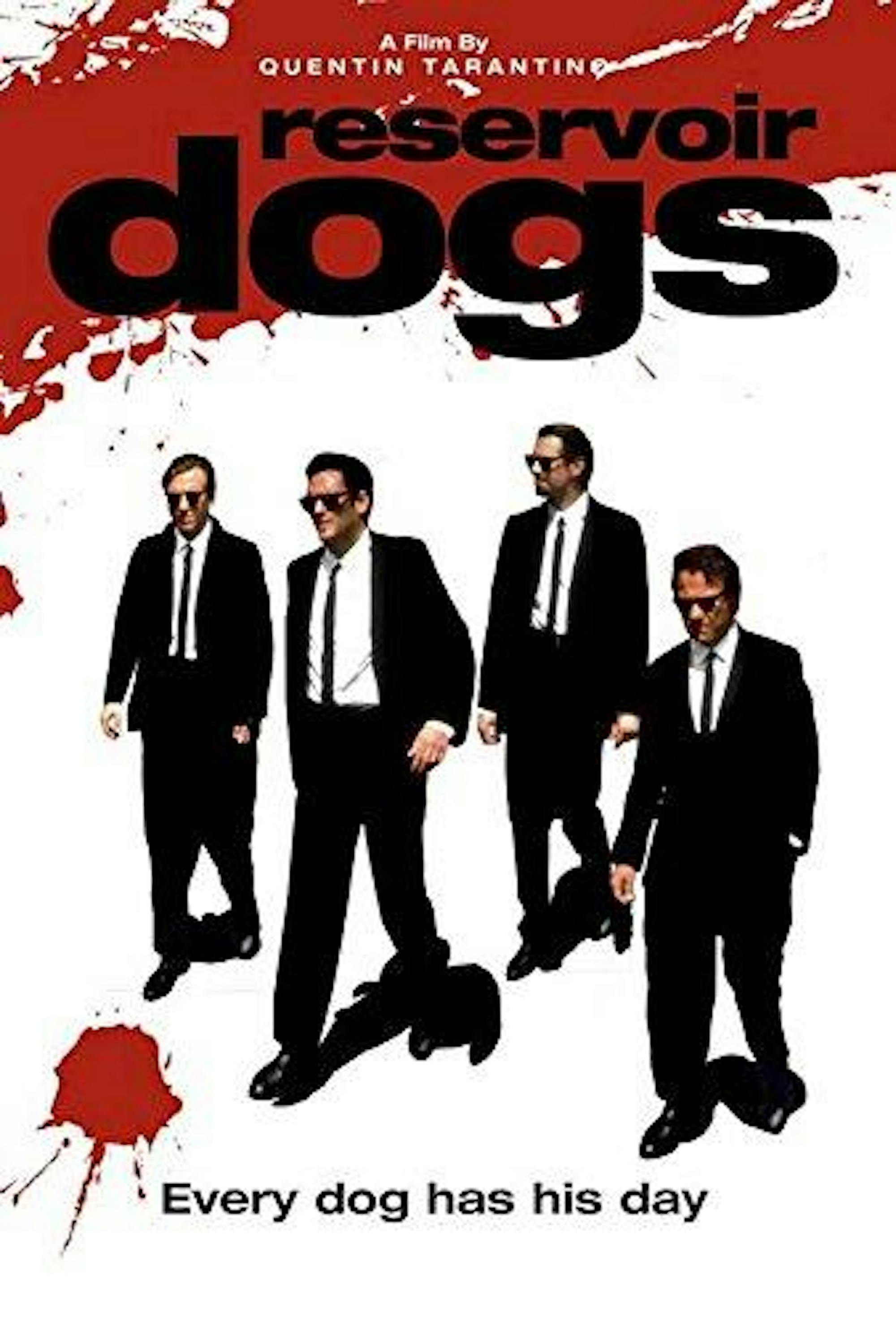
This trend has permeated film discussions, creating a divide between so-called “boy” and “girl” movies. Like “pick me girl,” there is some sort of merit to the idea of the “boy movie.” Take Tarantino’s Reservoir Dogs, a movie that does not feature a single speaking female character. It’s fair to call this a boy movie, but Tarantino's defense of the decision, that the point of the film is to explore inter-male dynamics, is justifiable. It would just also be justifiable for a woman to be uninterested in a movie that is equally uninterested in exploring woman's life. My addendum is that such a decision may be justified but not obligatory. I don’t think a woman should be called a “pick me” for having a night where she didn’t mind watching a movie outside of her lived experience. This is not an article about why I’m still a feminist even though I just loved Reservoir Dogs so much. I thought it was fine.
I think I have diverse interests and tastes, probably like most other people on earth. As a bit of a movie fanatic who often talks about movies with others, labels like “pick me girl” have compelled me to tailor my opinions to my audience. I outwardly present as some sort of a girly feminist, and among men that I don’t know well, it’s clear I gain some respect when I talk about the so-called “boy movies” I enjoy. When I talk to my fellow girly feminists, I get a better reaction with the so-called “girl movies.” To be clear, this is not because those girly feminists do not enjoy any boy movies themselves. While the women I’ve had these interactions with have their own male-associated tastes and hobbies, I think there is a notably tepid response to my “boy” interests because of the concern that we could be entering murky pick-me waters. When I told a girl friend that I really enjoyed Oppenheimer, rather than discussing her opinion of the movie, which she had seen, she said that girls who really liked Oppenheimer were really trying to signify to men that they “get” the movie. On the other end, when I once leaned too much into my femininity, a boy told me that although he knew I was smart, I really looked like “a dumb white girl.” I don’t think these are issues of equal weight or similar systemic origin, but they result in the shared consequence of not expressing my interests based on what they actually are, but based on the subtext I think people will derive from them.
Women have always policed each other’s performances of femininity, but this is exacerbated when it converges with the social media age, where everyone is curating their image and increasingly scrutinizing exactly what that image should look like. I’m sure people have been judging each other since the advent of language, but this is the first time that people have had wide-reaching online platforms to explicate their judgments, and these incredibly online issues are infecting real-world interactions. Take the Cornell Sun editor who told me when she recommended a science fiction novel, another woman said, “But isn’t that a boy book?” Judging women for reading a genre that women have been involved in since its invention is gender essentialism, not feminism.
We should try to take people on their own terms rather than considering them through the lenses of TikToks we fear could be used against ourselves. We should think it’s sweet when a fourteen-year-old girl does something “basic,” like getting really into the ukulele. I have often made fun of the guy who whips out a guitar at a party as some sort of pick me boy, or to use the updated terminology, a performative male. Where did you obtain this guitar? What inspired you to bring it to this house party? But ultimately, I’d like to believe that we live in a kind world, one where a man strums a tune just because he really loves his instrument, not for the attention of the opposite sex. Don’t I owe that man the benefit of the doubt? Don’t we all owe it to each other?
Chloe Asack is a senior in the College of Arts and Sciences. She can be reached at casack@cornellsun.com.

Chloe Asack is a member of the Class of 2026 in the College of Arts and Sciences. She is a staff writer for the Arts & Culture department and can be reached at casack@cornellsun.com.