“I just want to be well enough to do one show where I can say, ‘Hi guys, thanks so much for my life … ' That’s what I’m working towards, and if I drop down dead at the end of it, I’ll die a happy man.”
Sure enough, 17 days after Black Sabbath’s Back to the Beginning farewell show, Ozzy Osbourne died on July 22, 2025. He was 76.
Black Sabbath changed England’s musical landscape in 1970. They changed the way we think of rock music today. They also changed my life as a young, directionless 14-year-old. A born-again Beatles convert, I spent my afternoons holed up in the basement working tirelessly on my John Lennon impression. One fateful day, I stumbled upon a cover of Lennon’s “How?” recorded by Ozzy Osbourne in 2010. His interpretation flipped my understanding of singing upside down. Lennon’s familiar quaver yielded to Osbourne’s assured bellow, an inescapable declaration of emotion collected and presented in honour of his hero and mine. And on that day, I discovered the force of nature that was Ozzy Osbourne. I scoured his discography for more of the same and found it in Black Sabbath’s “Changes,” a song written for their recently divorced drummer, Bill Ward. Stripped of the prominent reverb that marked (or marred) his voice in later years, Osbourne keens and wails through this tearjerker of a song. When he arrives at the chorus, he layers his lament John Lennon style on multiple tracks and his cries of “I’m going through changes … ” triggered in me a lifelong existential spiral of wondering what it means to sing, wondering what it means to make music.
John Michael Osbourne was born in 1948 in Aston, Birmingham. He formed Black Sabbath with guitarist Tony Iommi, bassist Geezer Butler and drummer Bill Ward in 1968. The band’s early sound was defined by Iommi’s downtuned caveman riffs as well as Butler and Ward’s swinging momentum. Over it all sat Osbourne’s piercing exclamations of a fear of the occult and impending nuclear war. The band’s first album exemplified the influence of blues on heavy rock and boasted the first ever “heavy metal” song in the self-titled “Black Sabbath.”
On their follow-up, Paranoid, Sabbath perfected their game and endowed the emerging heavy metal genre with its cornerstone riffs. With “War Pigs” they perfected the anti-war song, looking past the age of the hippie and “Fortunate Son” and “For What It’s Worth” and recording a song that actually sounds like war. They crushed the hopes and dreams and rainbows and flowers of their Californian counterparts and imbued their music with a deadly dose of realism. “Paranoid” remains a hit half a century later, with humble beginnings as a shoddy improvisation reworked into a career-defining song, and the last song they ever played, on July 5, 2025. “Iron Man” remains perhaps the most recognizable rock guitar riff of all time and a worthy testament to the claim that less is more. The rest of the album addresses nuclear war, mental illness, drug addiction and various other issues scorned by the general listener.
Between the opening riff of “War Pigs” to Osbourne’s fading wail on “Fairies Wear Boots,” Paranoid is relentless, a forceful pounding upon the psyches of the lost youth. I came out of the other side of those 40 minutes changed, rewired, understood. I would not be a musician without Black Sabbath. I would never have sung a meaningful note, a single word worth singing, if not for Ozzy Osbourne.
After Paranoid came a series of classic albums, arguably one of the greatest runs in rock history. From '70’s Black Sabbath to '76’s Sabotage, Black Sabbath released some of the most influential music of the decade. Master of Reality set a precedent for doom metal bands in the ‘80s and stoner rock and metal as a whole. Vol.4 saw the band spending more money on cocaine than on actual studio time. Sabbath Bloody Sabbath depicts a demon orgy on its cover and features more prominent acoustic guitars, keyboards and synths courtesy of Yes’s Rick Wakeman, and some of Osbourne’s most ambitious vocal performances yet, especially on the title track and the blues-stomping “Sabbra Cadabra.” Sabotage showcases Osbourne at the pinnacle of his powers on the banshee shrieker “Hole in the Sky,” on the early thrash of “Symptom of the Universe” and the epic 10-minute build up of “Megalomania.”
In the following years, Black Sabbath fell apart and Osbourne was replaced by the legendary Ronnie James Dio of Rainbow. Against all odds, he rebuilt his career and went solo with the help of his manager and future wife Sharon. Blizzard of Ozz and Diary of a Madman launched him and guitar prodigy Randy Rhoads into superstardom. Following Rhoads’s tragic death in a helicopter collision and bouts of drug and alcohol addiction, Osbourne narrowly escaped the '80s and slowly returned to the stage in the following decade undeterred and ever beloved.
In the years that followed, Osbourne and Sabbath reunited for their first album in 35 years. 13 was released in 2013, featuring Osbourne, Iommi and Butler, with Rage Against the Machine’s Brad Wilk on drums. Their final tour, The End Tour, concluded with a homecoming show in Birmingham in 2017. And for eight years, that was it.
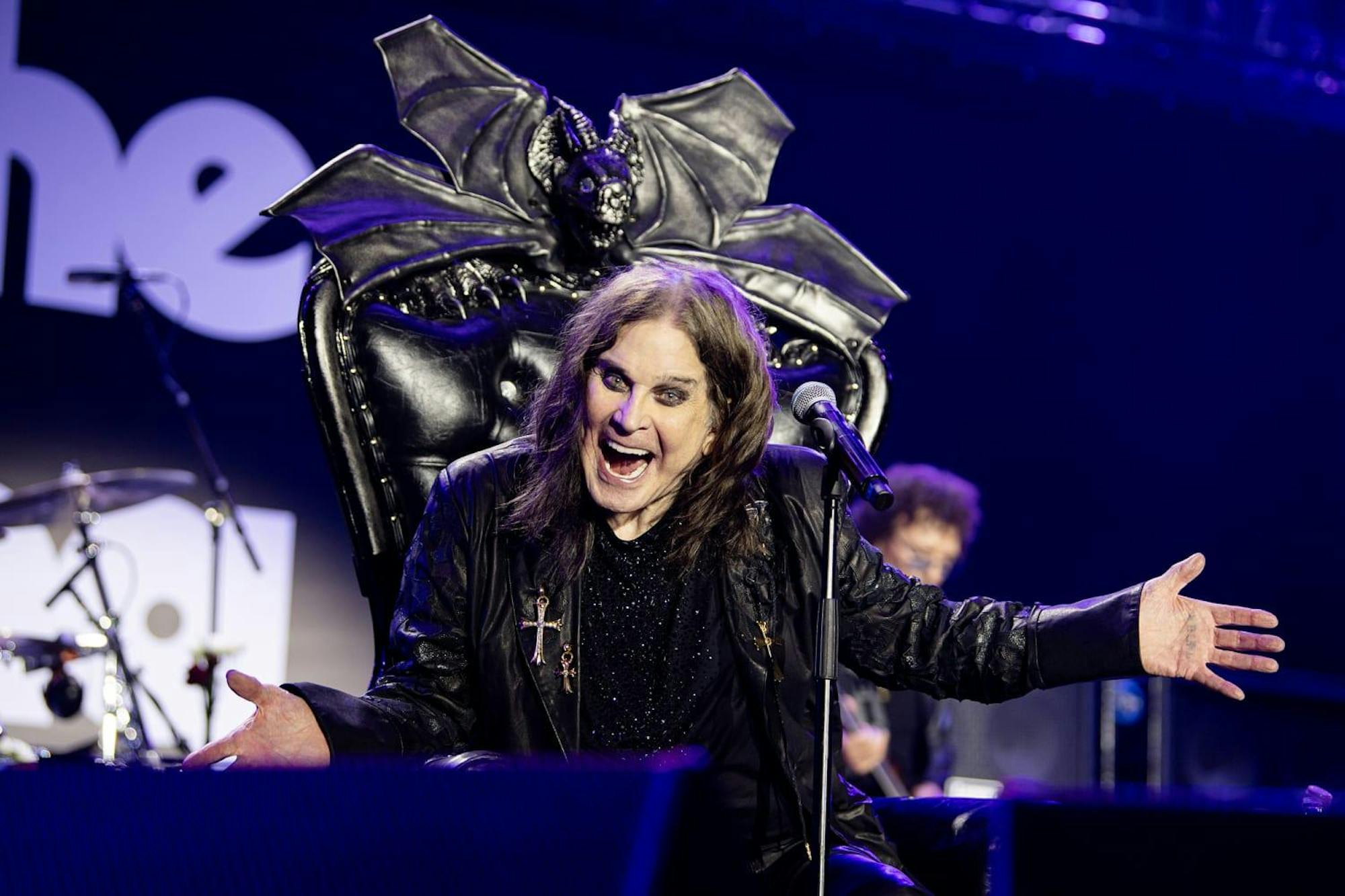
On July 5, 2025, the original members of Birmingham’s Black Sabbath reunited for what would be Ozzy Osbourne’s final performance. Joined by their family and friends and every metal band under the sun, Black Sabbath emerged and conquered Aston’s Villa Park stadium and played for thousands of pilgrims and devotees gathered to bid their heroes farewell. Osbourne arose on a gilded throne to sing his hits for the last time. Confided in body but not in spirit, he prevailed and sang with as much clarity and candour as he ever did. With Tony Iommi, Geezer Butler and Bill Ward, he closed his career with Sabbath songs from the ’70s, songs that have and will continue to stand the test of time.
Josh Yiu is a junior in the College of Agriculture and Life Sciences. He can be reached at jy793@cornell.edu.