


In a world of series and spin-offs, the media industry’s obsession with sequels comes as no surprise. But sometimes a franchise takes a different route, creating books and movies about events occurring before the original story. These prequels often provide background, origin stories and supplementary world-building, presumably aimed at helping audiences better understand the plot of the initial piece.
One of the most known examples is the Star Wars franchise, in which the fourth, fifth and sixth films to be released are prequels, taking place chronologically before the first three films that came out. Many fans assert that those three Star Wars installments are not nearly as good as the original three films (sometimes referred to as “Episodes”): A New Hope, The Empire Strikes Back, and Return of the Jedi. According to widespread audience opinion, the prequels representing Episodes 1-3 of the franchise failed to fill the large shoes of Episode 4-6. Anakin Skywalker’s transformation into Darth Vader provides action-packed character development that admittedly allows for a more nuanced understanding of the antagonist; however, the original three simply feel more profound, unpredictable and artistic. Maybe it’s the more passionate romances or the excitement of the Jedi rebels coming back from defeat, but they just stick more.
I’ll also admit that the preference for Episodes 4-6 for many viewers, including myself, is in part tied to nostalgia and loyalty. Growing up, my dad and uncle ensured I was clear on the proper order (according to them) to watch the movies, and I won’t deny the possibility of some bias in simply knowing which movies came out first.
That’s not to say every prequel is disappointing. They’re often entertaining and provide interesting backstory, and some audiences truly do prefer them. However, they don’t always feel necessary, and they too often fail to live up to the hype of the books or movies that inspired them.
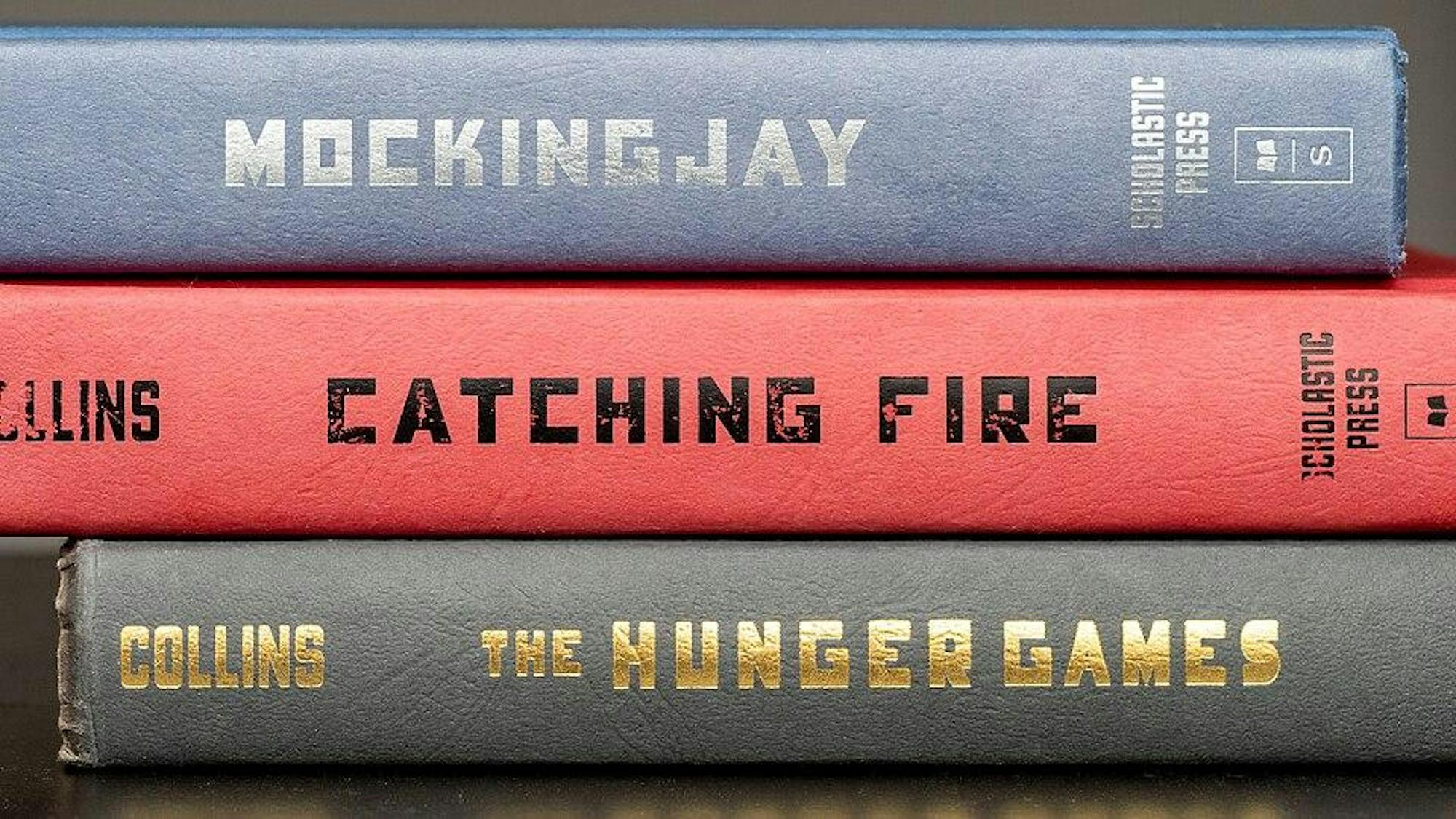
But The Hunger Games is different. Suzanne Collins mastered the art of the prequel, creating books that received just as much — if not more — positive feedback and attention as her original bestsellers. 10 years after the final book of the trilogy, Mockingjay, was published, Suzanne Collins pleasantly surprised readers with the first prequel of this universe, The Ballad of Songbirds and Snakes. Centered around the life of the man who later becomes the oppressive, authoritarian president in The Hunger Games, this prequel was quickly accompanied by a widely popular movie adaptation. While the original movie received a higher Rotten Tomatoes ranking compared to The Ballad of Songbirds and Snakes, the prequel received a higher audience approval rating overall.
This wasn’t just a lucky anomaly. Published in March 2025, Collins’ next addition to the franchise, Sunrise on the Reaping, received the same energy and praise as her first prequel. This latest novel centers around the youth, survival and trauma of Haymitch Abernathy, who serves as Katniss Everdeen’s mentor in the original story. The vibrance, raw testimony of survival and devastating emotion woven into this novel make it just as hard to put down as the initial trilogy.
Following the recent release of the trailer, fans have been counting down the days to the highly anticipated movie adaptation, set to be released in theatres on Nov. 20.
The success of these prequels is not only a testament to the loyalty of dedicated readers; it also reflects Suzanne Collins’ unique ability to frame these prequels in a way that remains relevant and captivating, rather than just dragging on an overdone franchise. So what’s her secret?
First of all, both prequels tell distinct stories rather than just tedious exposition, making them feel exciting and fresh despite emerging from the same Hunger Games concept. By telling the stories of prominent but less developed side characters from the original trilogy, the prequels actively enrich the story and fuel a deeper understanding of the initial plotlines. Perhaps this new insight even sparks re-reads or re-watches as it did for me. Augmented by high production quality and star-studded casting in the movie adaptations, the prequels don’t serve as repetitive supplements but rather distinctive stories that deserve their own appreciation and fame.
Second is political relevance. It’s hard not to think of the dystopian authoritarianism and themes of child sacrifice and oppression as political critique. The prequels build these themes, providing an eerie reflection of our own paranoia of authoritarian government and political violence. In a society strife with political unrest, polarization and protest, audiences seem to find a strange kind of familiarity in the franchise. Although our country certainly seems far-removed from the apathetic, dystopian hellscape of Panem, something about that environment hits close to home in a way that draws viewers in, rather than being just another fiction story.
Finally, the notorious TikTok. Particularly among young adult audiences, TikTok edits remain a captivating form of entertainment and advertisement. The striking, dramatic Hunger Games scenes provide the perfect material for the kinds of videos that end up on hundreds of users’ For You Pages. Virtually everyone knew of Star Wars in the ’80s, but the franchise didn’t have the advantage of dozens of 16-year-olds waiting for the trailer to drop so they could splice and curate overly dramatic edits that genuinely build audience excitement. Of course, The Hunger Games is not unique in benefiting from TikTok and other social media platforms, and perhaps other franchises will continue to capitalize off this form of publicity in order to fuel the success of their own prequels.
Whether through her creativity and innovation in writing these stories, ability to capitalize off current political anxiety or the assistance of talented directors of the movie adaptations, Suzanne Collins has cracked the code to the successful prequel. Writers and moviemakers should take a page from Collins’ book and stop making disappointing prequels. Instead, prequels should be distinctive, relevant and just as deep as the original novels or films. And yes, a few clips that make for good TikTok edits can’t hurt either.
Macy Griffith is a member of the Class of 2029 in the College of Arts and Sciences. She is a contributor for the Arts & Culture department and can be reached at mbg245@cornell.edu.


