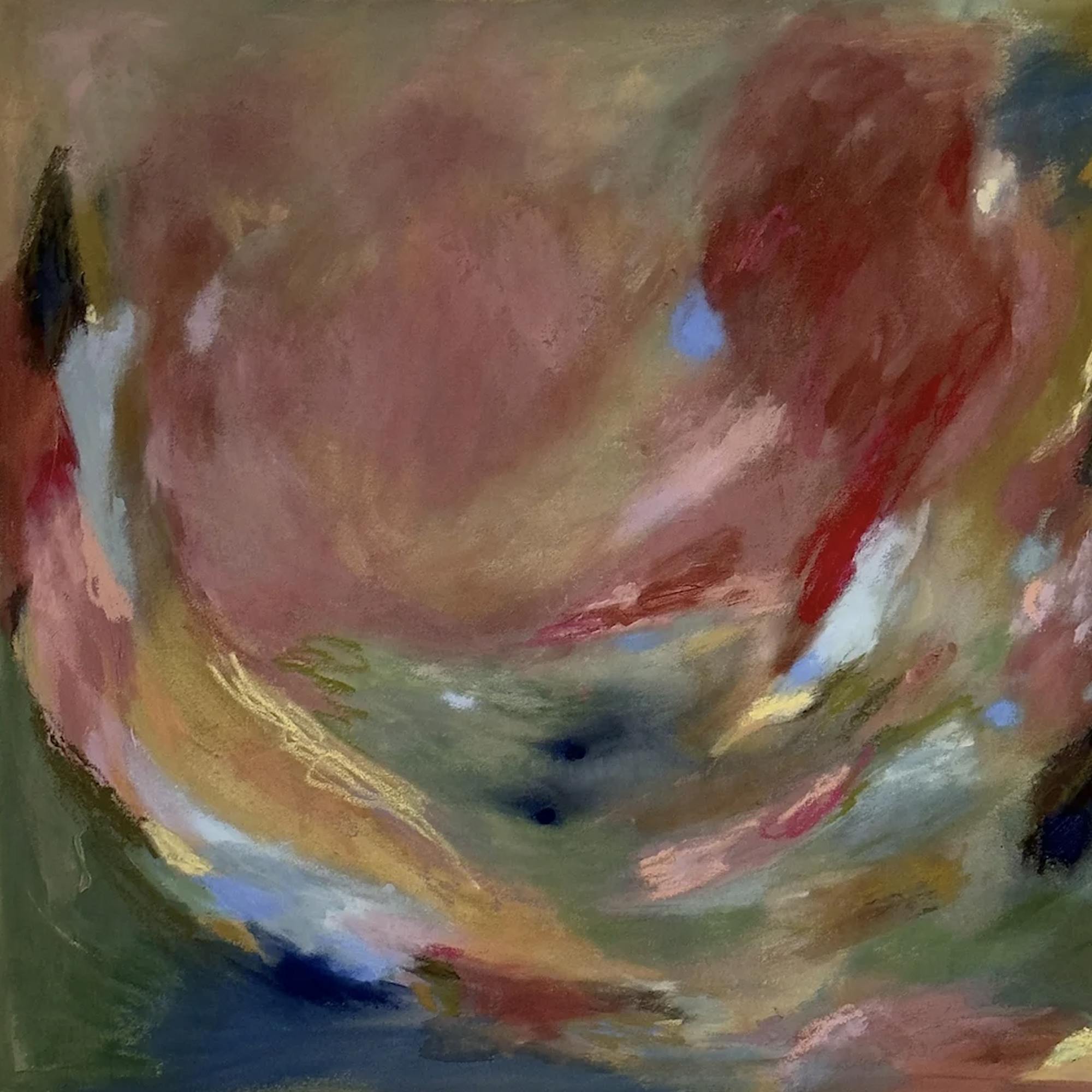
With her newest album Angel, released Sept. 18, singer-songwriter Lizzy McAlpine delivers a cohesive, reflective and tender collection of music. The album foregrounds acoustic guitar plucking and piano sounds, with McAlpine’s soft voice and heartfelt lyrics keeping emotional storytelling at the center.
Angel’s lead single, “The light in the painting,” opens the album with ethereal synths, later incorporating a sparkling mix of guitar and piano. Though McAlpine is often primarily associated with her songs about heartbreak, “The light in the painting” captures the reverence and pure joy of a brand-new relationship. In a Substack post, McAlpine explains that she wrote this song about a relationship that “felt expansive and free, like I could be myself completely and that was okay, even desired.” Though this relationship eventually ended, McAlpine continues, “I look back on the moments that inspired this song with tenderness and compassion.” This feeling of joy, though it did not last forever, helped the singer heal and grow, and this sense of personal growth sets the scene for the following songs.
Almost every song on the album deals with love in its various forms. Romantic love, friendship, family and self-love all play key roles in Angel’s story arc. Through all these forms of love, however, an essential undercurrent of personal growth and self-knowledge colors McAlpine’s approach to her relationships. “Peach” illustrates a simple, solitary moment of self-understanding while a partner is away, “Two elevens” dwells on memories of a past relationship but recognizes that its end was necessary and “Mason’s song,” co-written with McAlpine’s close friend and collaborator Mason Stoops, celebrates the beauty of experiencing change and maturation alongside close friends.
Track three, titled “A car wash and a new pair of pants,” introduces another of the album’s core themes: fame. With strong, full-voiced high notes that mark a striking departure from her customary soft crooning, McAlpine sees her former relationship in a new light with the realization that her partner cared more for her fame than for her as an individual. Despite anger with this betrayal, however, the song seems to carry a sense of freedom after leaving this relationship behind.
Halfway through the album, “Soldier of the road” tackles McAlpine’s relationship with celebrity more explicitly. This song, featuring Fleet Foxes, sheds light on her experience working in a music industry bent on achieving high streaming numbers rather than cultivating authentic, meaningful art. In the past, McAlpine has been open about her struggle to thrive in traditional touring structures. She canceled the second half of her 2023 tour due to its toll on her mental and physical health. In “Soldier of the road,” she describes fighting to make room for her needs under the industry’s constant, soul-crushing pressure. It seems she has found a sweet spot; eventually, she sings, “I have people to love / I have music to write,” closing the track with an affirmation of what truly matters to her.
The album’s heart-wrenching penultimate song, “The crowd,” offers another perspective on McAlpine’s reasons for continuing to pursue fame. This poignant tribute to her father, who passed away in 2020, continues her tradition of dedicating the 13th track on each album to him. This song is relatively sparse lyrically, but packs a strong emotional punch. The lines “Everything I do / I do so I can make you proud / Everything I do / I make it big so you can hear the crowd” contain oceans of grief and love. McAlpine’s love for her father sparks a much more meaningful drive to succeed than the industry’s pragmatic pressure to “keep the numbers moving” could ever inspire.
The title track, “Angel,” is also the album’s closer. This song intertwines the themes of love and personal growth that run throughout the album. The song begins, much like the opening track, with the bliss of a new relationship; McAlpine casts her partner as the titular “angel.” However, as the song closes, she discovers her own intrinsic value and describes herself, instead, as the angel. McAlpine described the final line, “I have always been here waiting / Just to be,” as the album’s thesis statement.
Angel is a deeply reflective body of work. Across its 14 tracks, McAlpine reflects on love, friendship, fame, family and, most importantly, her own feelings and identity. On musical, emotional and relational levels, she uses her music to facilitate and celebrate personal growth, as well as to gain perspective on the past. Far beyond merely describing McAlpine’s emotional development, Angel embodies this growth through each song’s careful reflection on the past and internalization of the lessons she will bring with her into the future.
Raina Lockwood is a member of the Class of 2027 in the College of Arts and Sciences. She is a staff writer for the Arts & Culture department and can be reached at rl978@cornell.edu.