

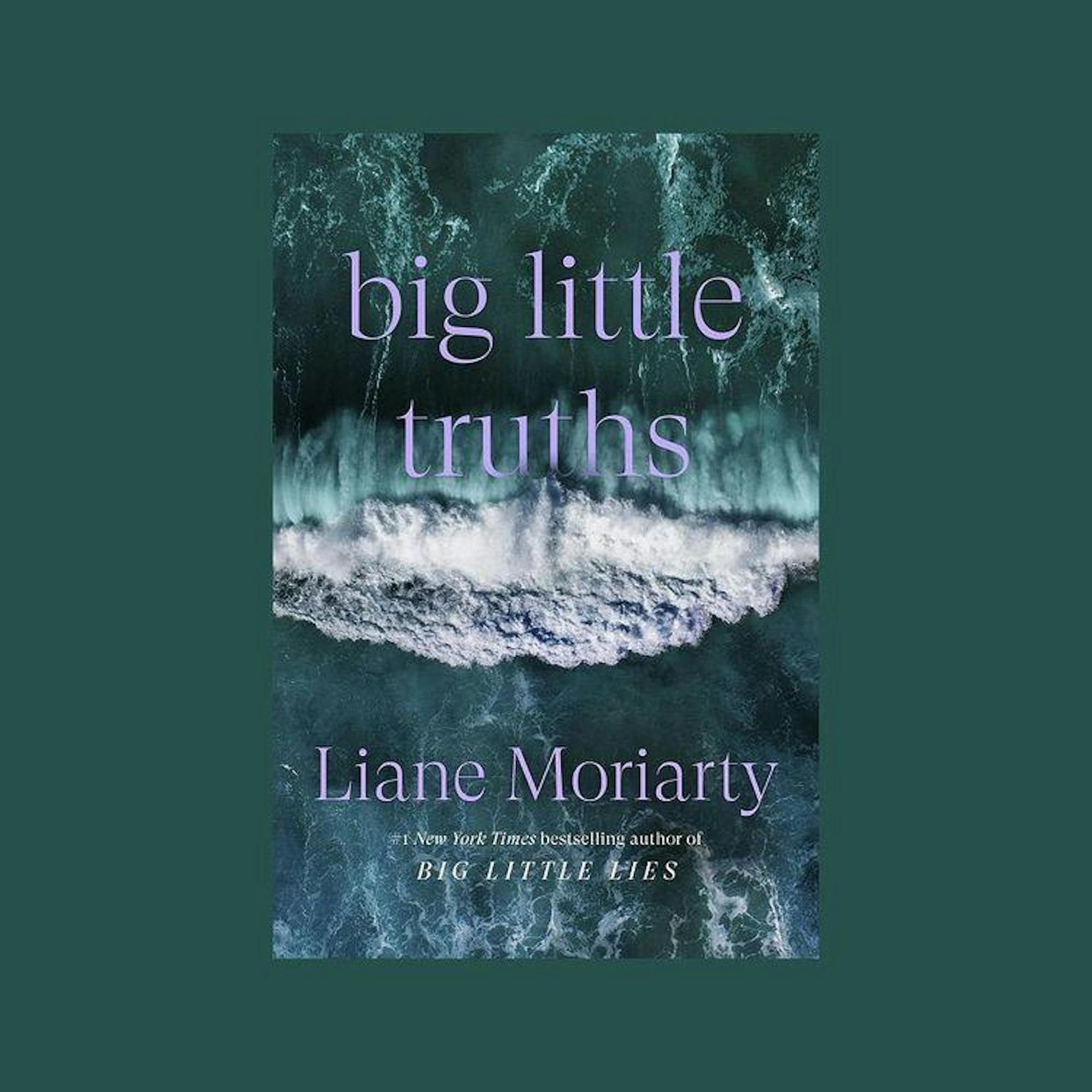
There is something so appealing about cosplaying as an irritated suburban mother. I love the idea of spending my free time buying out every expensive coffee shop and cursing my husband's weaponized incompetence, all while grappling with the tribulations of Parent Teacher Association politics. Liane Moriarty’s 2014 novel, Big Little Lies, offered me that specific experience when I first flipped through it two years ago. I found the suburban murder-mystery thriller to be such a riveting (maybe even charmingly corny) dissection of the psyche of a middle-class mother that undercuts the long-winded, gossipy dialogue with darker themes grounded in domestic violence and female autonomy. Therefore, I was mildly disappointed with the long-anticipated sequel, Big Little Truths, that meanders away from its predecessor’s core values.
Released this August and set 10 years after the events of the first novel, Madeline Mackenzie, Renata Klein, Bonnie Carlson, Celeste Wright and Jane Chapman find themselves and their children older, but their circumstances no less sinister, when a threatening package is delivered to their children' s school, all while they navigate their familial trauma, motherhood and their newfound friendship with one another. The plot didn't seem too enthralling to me, but I wasn't too concerned given that Moriarty’s main appeal has always been her dialogue-heavy exposition, with frequent insertions of gossip and suburban mother judgement.
Unfortunately, this is lost in the sequel, where Moriarty tries her hand at a more descriptive and conventional writing style. The borderline antagonistic rumour mill that is wickedly enjoyable in the first book is swapped out for vague descriptions of mild complaints that the mothers have with regards to their disobedient teenagers being glued to their phones. This forms a heartbreaking contrast to the monologues of the entertaining yet vicious grudges the mothers had against each other in Big Little Lies (most pertinently over the loss of school toy, Harry the Hippo).
To not be a complete buzzkill, I would be inclined to state that the sequel does effectively touch upon deeper topics, such as the cyclical nature of domestic violence when Max, Celeste’s son, begins to mirror his father’s abusive tendencies. In fact, Moriarty briefly delves into the manosphere, online communities that focus on men’s rights and perpetuate misogynistic stereotypes, especially directed towards the younger generation. However, she bizarrely abandons this plotline midway through the book, and Max recedes into the standard, bland characterization Moriarty assigns for every teenager in the sequel.
In fact, I doubt whether she has ever encountered a real human teenager, given that she reduces each one to a lazy caricature of a grunting, sullen, phone and vape-addicted figure. Chloe is a perpetually irritated adolescent addicted to her phone; Josh is a reclusive teenager glued to his phone; Skye is an exasperated young adult who, shockingly, is also addicted to her phone. On one hand, this lack of characterisation does succeed in accurately depicting every single middle-aged mother’s view of the youth and will no doubt be excitedly received by them.
One could argue that this aligns with the core premise of the book itself, by encapsulating a suburban housewife’s perspective on the youth and technology. However, I was severely disappointed when this spoiled the shift in the narrative structure, which Moriarty attempts to carry on from the first book, when she intersects the plot with police interviews. These brief snippets characterized the mothers exceedingly well, from Jane’s nervous demeanour to Renata and Madeline’s convoluted feud, all derived from brief excerpts of testimony that unravelled the murder plot further. Given that this interview format now focuses on the horribly bland and apathetic teenagers of the novel, nothing substantial is added to the plot except for the berating of their respective mothers and, to nobody’s surprise, the standard mention of an inflated screen time.
Moriarty argues that this novel could be read as a standalone piece of writing; I firmly believe in the exact opposite, given that without an emotional connection to the characters (which I partially possess), the rest of the plot is mind numbingly trivial and largely underdeveloped. Moriarty succeeds in fleshing out some of the mothers a bit more, such as expanding on Bonnie’s personality outside the stereotype of the manic pixie dream girl she was previously confined to by depicting her struggle with guilt and trauma from her less than ideal childhood. However, the vast space dedicated to this results in the actual plot being an afterthought. Therefore, when the final reveal of a teacher’s predatory actions towards the student body takes place, I was left unable to care much given that the bulk of the writing had nothing to do with the teacher, nor her victims.
In fact, this is a glaring problem that persists in sequels to any creative work. The audience is hooked on the premise of returning to familiar characters and are instead held hostage by a mediocre plot, which ruins the entire work given that the character development has already been fleshed out and therefore the actual storyline itself has to offer insight that is both new and interesting. Moana 2 and the second season of Scream Queens are unfortunate examples of this phenomenon, where vaguely known characters have to compensate for a severe lack of narrative strength, despite the brilliance of their prior installments.
Overall, Big Little Truths is a faintly enjoyable read that did bore and exasperate me to tears at certain points, but the faint echo of its predecessor’s strengths were enough to get me to slog through the rest of it. One can only hope the third installment of Frozen that I am terribly excited for does not follow in Moriarity’s clumsy footsteps.


