


The first time you saw my name was likely in a byline.
Next to that would have been a fancy title — news editor, managing editor or editor-in-chief.
I am absolutely humbled to have held some of the top positions at The Sun. From covering vandalism to research cuts to protests to the Student Assembly, I am deeply gratified to have written over 100 articles.
Yet after penning piece after piece, talking to hundreds of sources and editing out thousands of Oxford commas, what is most remarkable to me is not how special this work is, but, in fact, just how accessible and applicable it is.
Over the past decade, legacy media has declined in influence and trust, replaced by a decentralized and democratized media sphere. With an iPhone in your pocket, you can record and transcribe an interview, photograph and videotape uncensored scenes and disseminate live updates to a global audience as they occur.
As student journalists, we live at the intersection of these two media spheres: trained on traditional journalism practices and institutional knowledge, while simultaneously reporting on our peers with relatively limited resources. We experience the very issues and tensions we capture on our pages, and work to document the truth in the minutes we can squeeze in between classes — without care for salary or awards.
I seek to practice the thorough interviewing and fact-checking evident in the legacy media coverage that recently exposed Cesar Chavez’s sexual abuse allegations and traced inconsistent dialogue surrounding the Iran war.
And yet, I am equally inspired by Darnella Frazier, who bravely recorded the viral video documenting police officer Derek Chauvin’s choking of George Floyd for nine minutes and 29 seconds. The then-17-year-old's cellphone footage became key evidence in Chauvin’s trial for Floyd’s death.
I am moved by the Minneapolis bystanders who captured the scenes preceding Alex Pretti’s untimely death at the hands of Border Patrol agents. While Kristi Noem told the nation that Pretti had “attacked” officers while “brandishing” a gun, bystanders’ footage makes clear that Pretti was instead holding up his phone while helping a woman officers had just pushed down at the time of his murder.
As autocratic protest repression and repressive immigration enforcement play out on the streets, I urge you to employ the skillset of a traditional journalist and the eyes of a citizen journalist. Do not let fascism or the revolution go untelevised or unwritten.
Here are some practical tips for citizen journalism:
-
Understand your right to record:
- New York is a “one-party consent” state, which allows an individual to record a conversation, so long as they are a participant in a conversation or have obtained consent from one party. Check your legal rights in the state you are in.
- Furthermore, you have a First Amendment right to record Immigration and Customs Enforcement, Department of Homeland Security and other law enforcement or federal officers in public spaces, as long as you do not get in the way of operations.
- Get close, but do not get in the way: Get close enough to the situation to clearly capture key players and the full scene without being a part of the story yourself. It may help to find a slightly elevated surface to record the scene from to gain a bird's-eye view, when possible.
- Make footage easy to authenticate: Keep a copy of the footage in its original form. Try to include contextual clues like street signs and landmarks, as well as evidence of the time, like a digital clock in the background.
-
Ask questions: When recording a detainment/arrest, ask the officer for their name and badge number, their agency affiliation if it is not clearly visible, if the individual they are talking to is being detained or free to leave, the reason for the detainment/arrest and if they have a warrant. Ask the person being detained/arrested for their full name, date of birth, emergency contact and lawyer.
- These details can promote legal accountability for the detainment/arrest. It can also help connect the individual who is detained/arrested to legal resources and ensure that information about the situation is quickly conveyed to their friends and family members once the recording is disseminated.
-
De-escalate and protect yourself: De-escalate confrontations to your work by maintaining a calm tone, keeping adequate distance, describing what you are doing and remembering your rights. Stay situationally aware and comply with police if ordered to disperse.
- Take measures to preserve your own safety. Avoid working alone, plan your exit and utilize encrypted messaging applications like Signal.
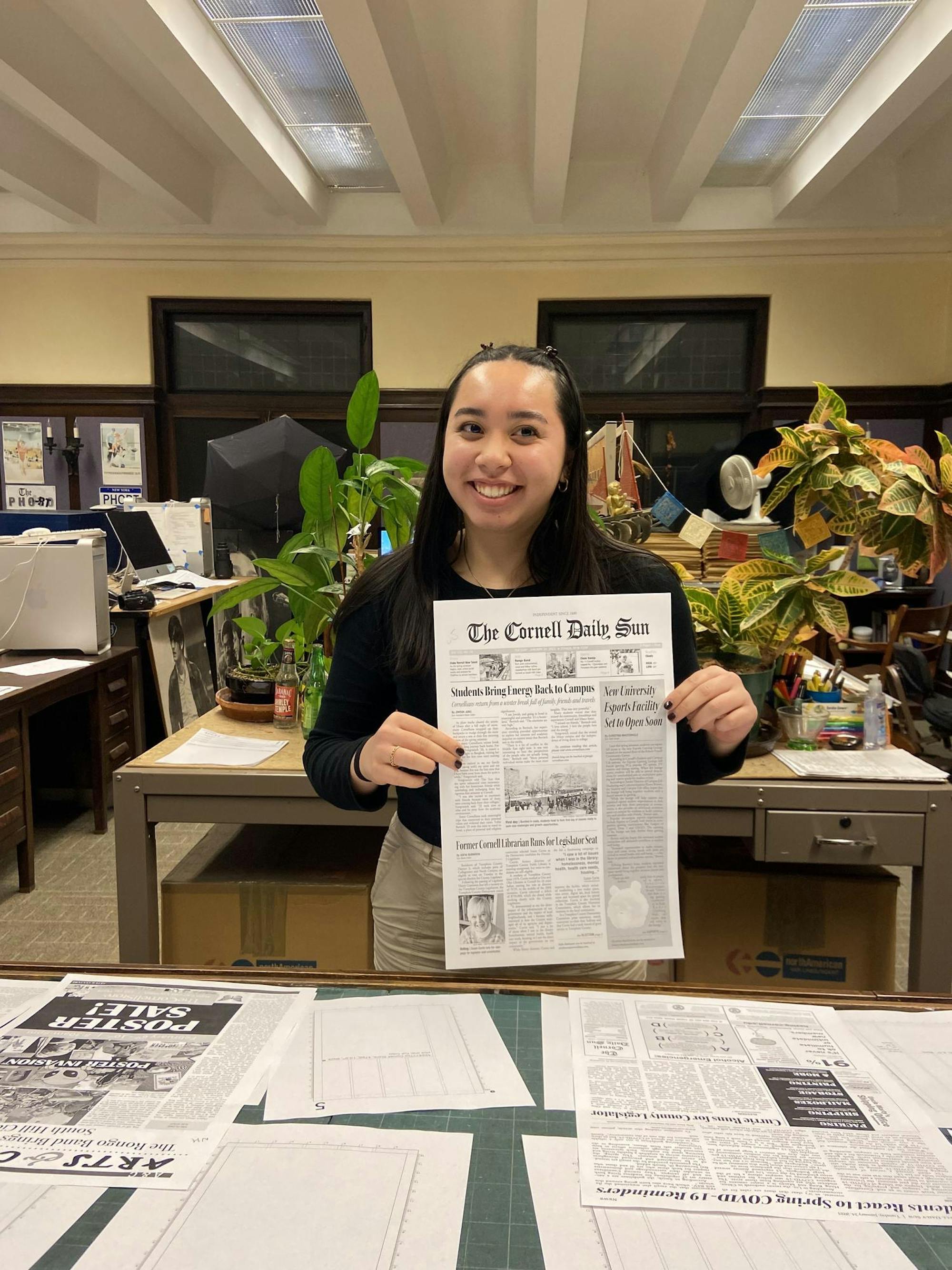
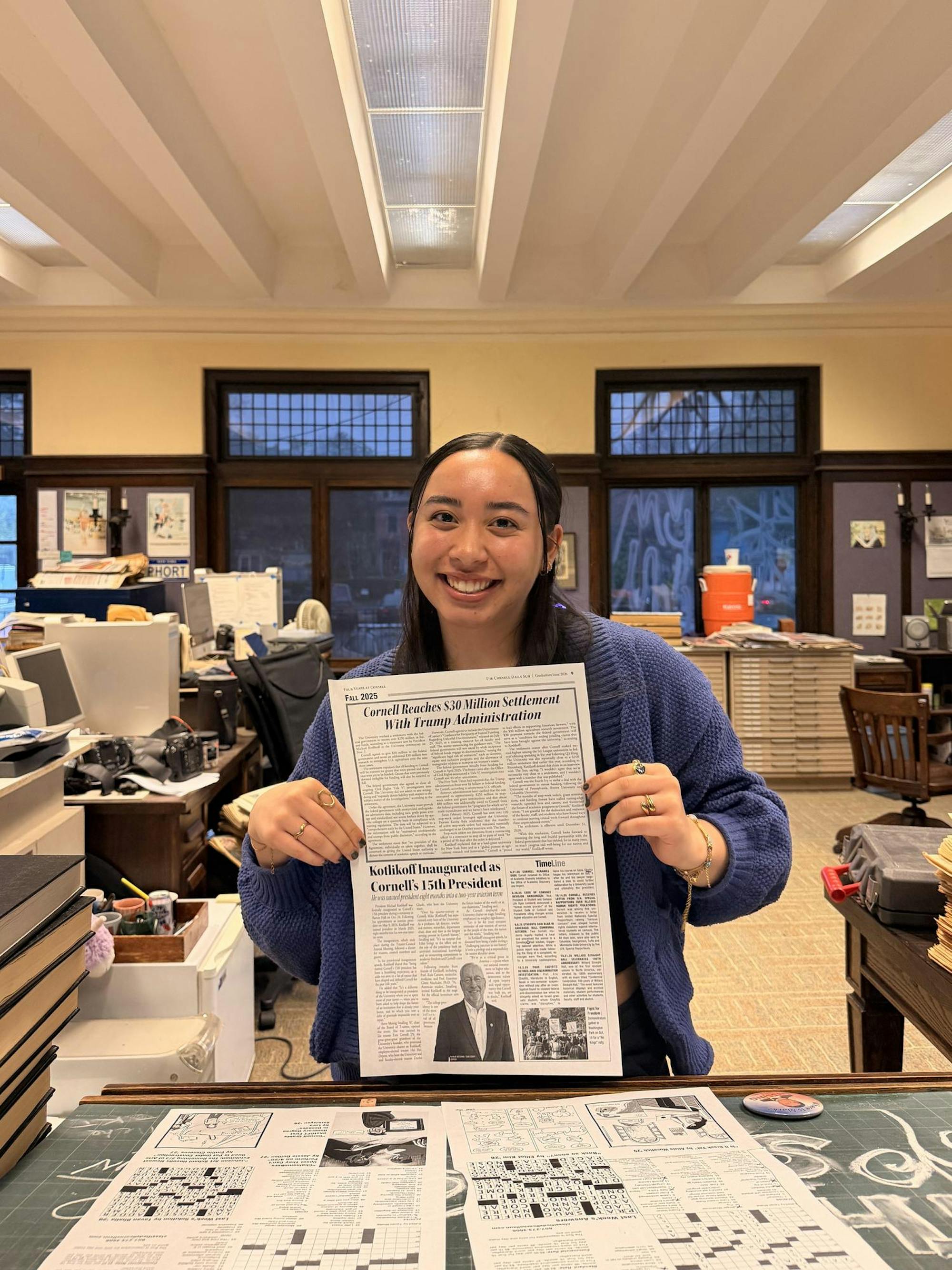
And beyond adopting the skills of a journalist, I urge you to embrace the mindset of a journalist. To be a journalist means to care about the ordinary: to be amazed by it, confused by it and concerned by it.
It means embracing connection, curiosity and community. It means believing action starts with knowledge: not the kind drawn from academic texts buried in syllabi, but that which is based on the testimonies and observations of your neighbors.
Pursuing journalism requires fundamentally believing that other people are a force of good, and this is what makes journalism worth it. Once you care, you will recognize just how many other people care too.
In a world increasingly burdened by anti-intellectualism, echo chambers and hyperindividualism, the perspective of a journalist is genuinely radical.
So I encourage you to be curious. Do not take what is told at surface value. Talk to different stakeholders — especially the ones you disagree with — before making declarations and endorsements.
Truly engage with the community around you. Attend city council and school board meetings. Research local politicians and policies.
Be a little nosey. Take out your noise-cancelling headphones, and listen to what people are complaining about on the bus and in the line for food.
Ask how people are doing — how they are really doing. What do they need help with? When do they feel unheard?
Embrace gossip. No, not just the who’s dating who. Gossip about your salary with your coworkers and your treatment by your boss. Gossip about the struggles your friends and family are facing with their access to healthcare, housing and employment.
Commonality is bridged through conversation. You will never understand just how much the people around you share until you open your ears and your mouth.
Journalism is a lifestyle that has kept me mystified and driven for the past four years. Journalism is a lens that I will seek to maintain for the rest of my life.
So I proclaim as a manifestation, rather than an absolute reflection of reality: Everyone’s a journalist. It is not enough to support journalists — be one.

Julia Senzon is a member of the Class of 2026 in the College of Agriculture and Life Sciences. She was the editor-in-chief of the 143rd Editorial Board and the managing editor of the 142nd Editorial Board. She can be reached at jsenzon@cornellsun.com.


