I have never been a ballet aficionado, and my time in the theater has historically been limited to an annual family outing before Christmas to watch The Nutcracker in New York City. While early childhood experiences fostered a fondness for ballet, I regarded the artform as distant and formal — something that I respected but did not necessarily understand. It was for these reasons that I never considered the possibility that I could simply walk to Willard Straight Hall and watch the Cornell Ballet Club perform; and, when I heard about the chance to watch CBC’s production of Giselle, I had no idea what to expect.
CBC was founded in 2024 by six seniors who wanted to fill a missing classical ballet niche on campus. Their mission is to make classical ballet available to Cornellians who want to continue dancing through their undergraduate years. Last Friday night was their third club performance, following Swan Lake and The Nutcracker the previous two semesters. Given the lack of male ballet dancers, CBC is known for creative interpretations of famous performances.
As the lights dimmed, the excitement in the theater was palpable. Parents had flown in to see their children perform, friends filled rows with flowers in their laps and other students filed in for what has become a semesterly tradition.
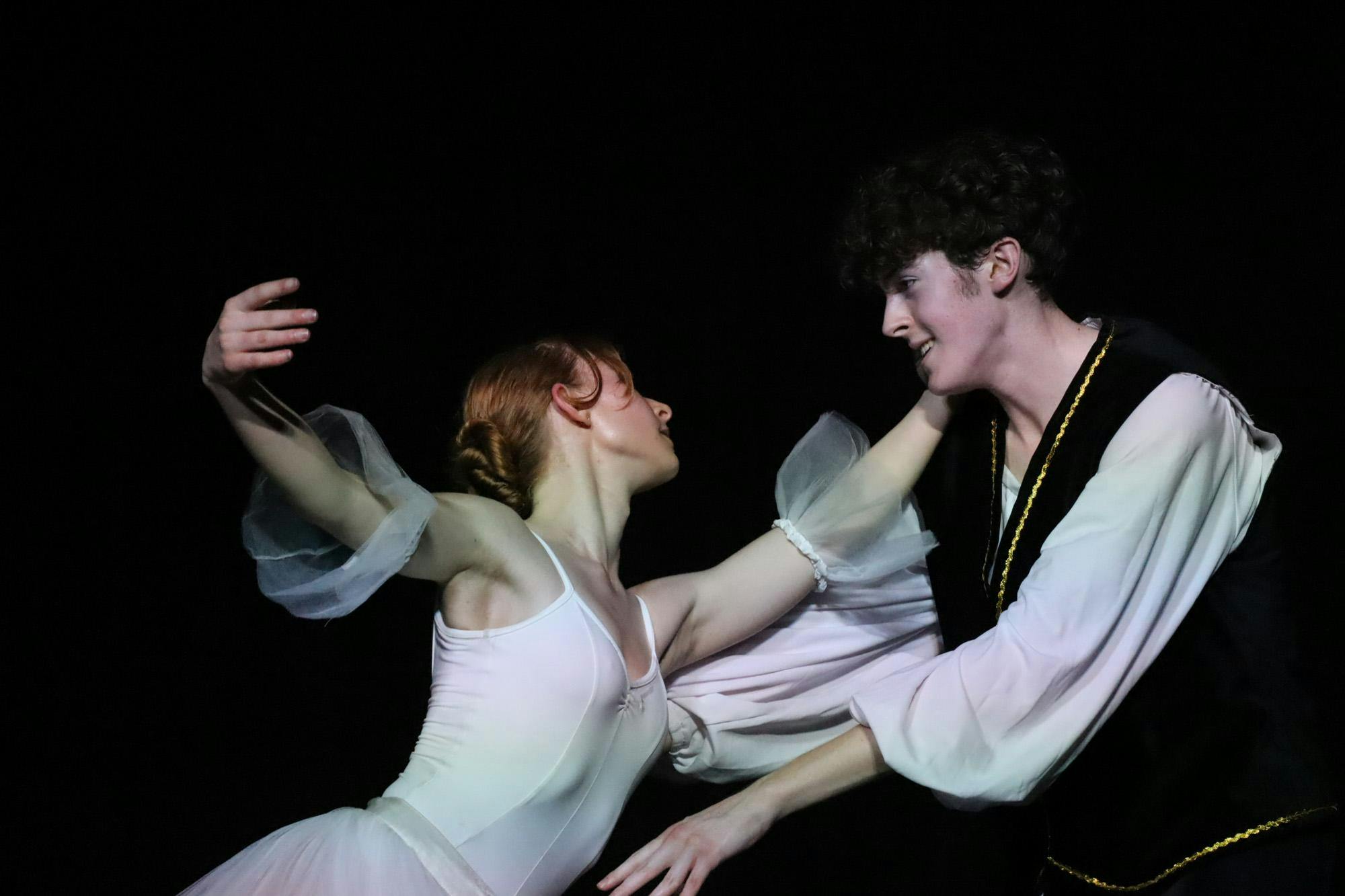
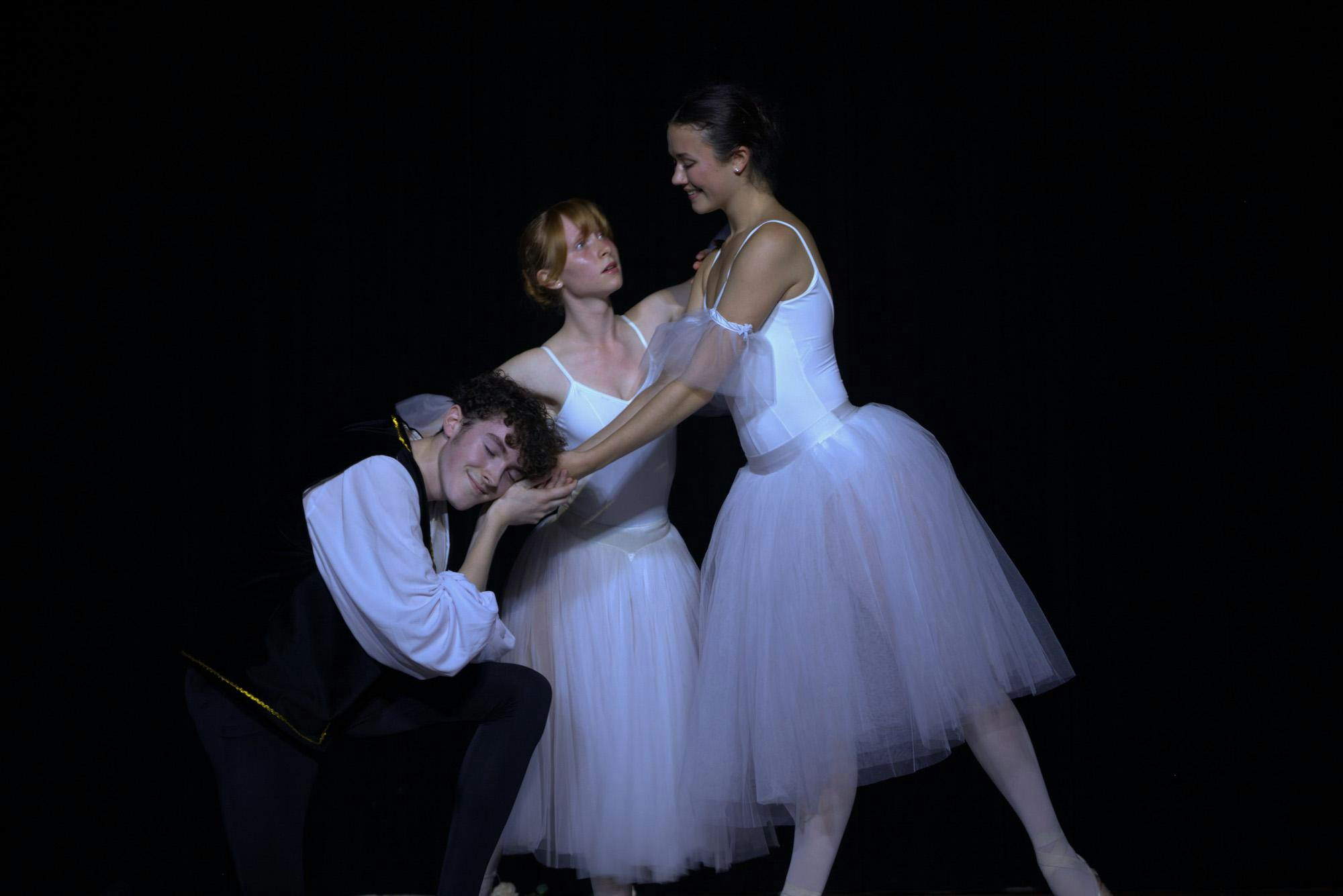
Giselle is the beautiful and tragic fairytale of a young, innocent peasant girl who was masterfully played by Kylie Miller ’26. She soon falls for Albrecht, a nobleman, and the two share a fleeting romance that is ended before their wedding night by Albrecht's infidelity. Scorned by her future husband’s treason, Giselle dies of a broken heart and descends to the spiritual realm, where she is welcomed by the Wilis, the spirits of maidens betrayed before their wedding days, now condemned to enact vengeance upon unfaithful men.
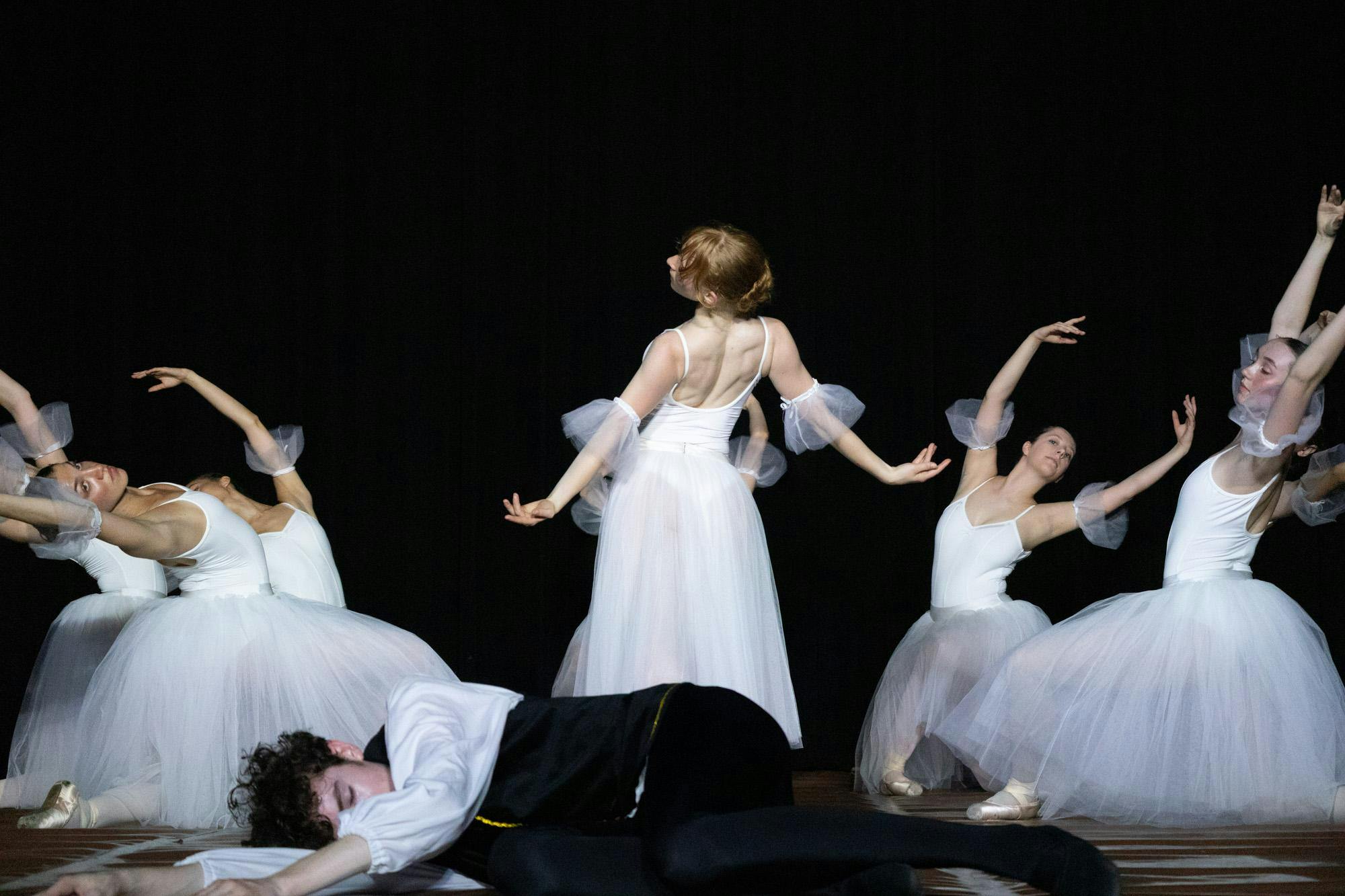
The arrival of Wilis marked a dramatic shift in the tone of the show, in stark contrast to the warmth of earlier romantic scenes. Watching seven perfectly synchronized bodies clad in white float onto the stage as if they were one was an incredible experience, only made better by the fact I was able to sit just 20 feet away from them. Being so close to the stage changed the way I was able to experience the performance and allowed me to better appreciate the sheer athleticism put on display through this hour-long performance.
Having lost his bride-to-be, Albrecht, consumed by grief, decides to venture to the underworld in a desperate attempt to win back Giselle. This effort is met with ire by the Wilis, who punish him and force him to dance until he collapses. This moment is truly where Albrecht, played by Alec DiConza ’29, shines. Every time DiConza feigns exhaustion, the Wilis pick him up and force him to resume dancing. Watching Albrecht twirl for what seemed like minutes was captivating, and the audience went wild during the several thousand degrees of rotations. DiConza’s performance made Albrecht more than simply the villain of this story; although his disloyalty causes Giselle's death, his grief in the second act complicates the audience’s feelings toward him, and it is almost impossible not to feel sorry for him as we watch this forlorn character desperately attempt to win back his love, all the while slowly destroying himself.
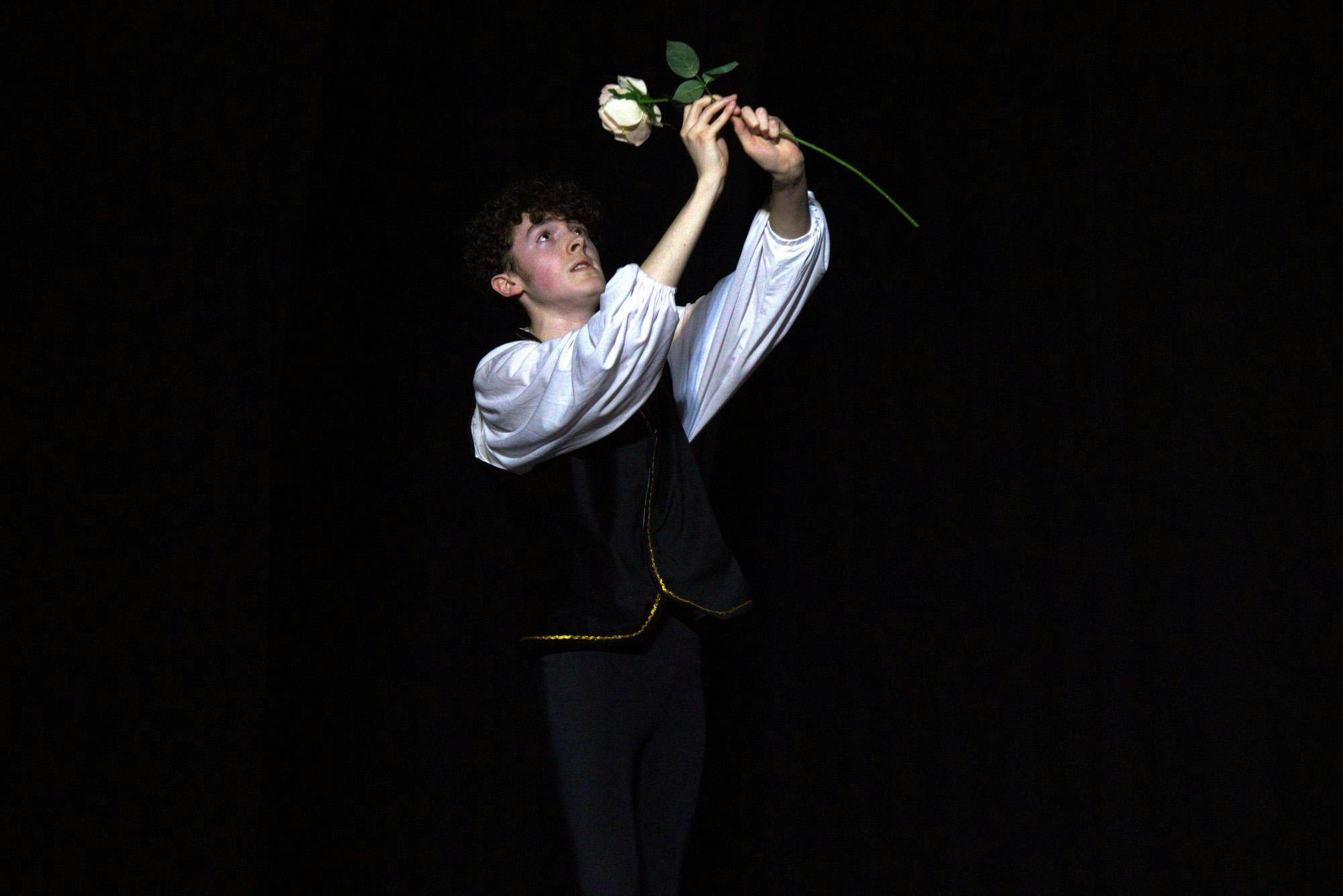
Although the original story ends with Giselle sparing Albrecht, I found CBC’s reimagination to be much more realistic, highlighting the fatalistic nature of true relationships. Whereas the original story ends with both characters forgiving each other and reuniting, CBC’s choice to kill Albrecht emphasized the irreversible consequences of betrayal and the self-destruction inherent in attempting to resurrect a failed relationship.
By the time I walked out of the theater, I realized my understanding of ballet had been far too narrow. What I had previously regarded as a beautiful but distant artform became something deeply compelling and personal. For someone who arrived as a casual observer, I left not only impressed by the technical skills of the dancers but grateful that these performances continue to exist through the dedication of such gifted Cornellians.
Luke Dolan is a member of the Class of 2027 in the School of Industrial and Labor Relations. He is a staff writer for the Arts & Culture department and can be reached at lpd39@cornell.edu.