Crushes on celebrities have been a standard in pop culture. From Beatlemania in the ‘60s to One Directioners in the 2010s, people like to love celebrities. There’s almost this thrill that comes through admiring someone from a distance, someone rich and famous. I think celebrity crushes are partially based on the mystery around the person, as you don’t actually know them and therefore cannot have an accurate gauge of understanding how they truly are. That allows the crush to take more of a fictional element, allowing the admirer to impose a certain persona onto the celebrity.
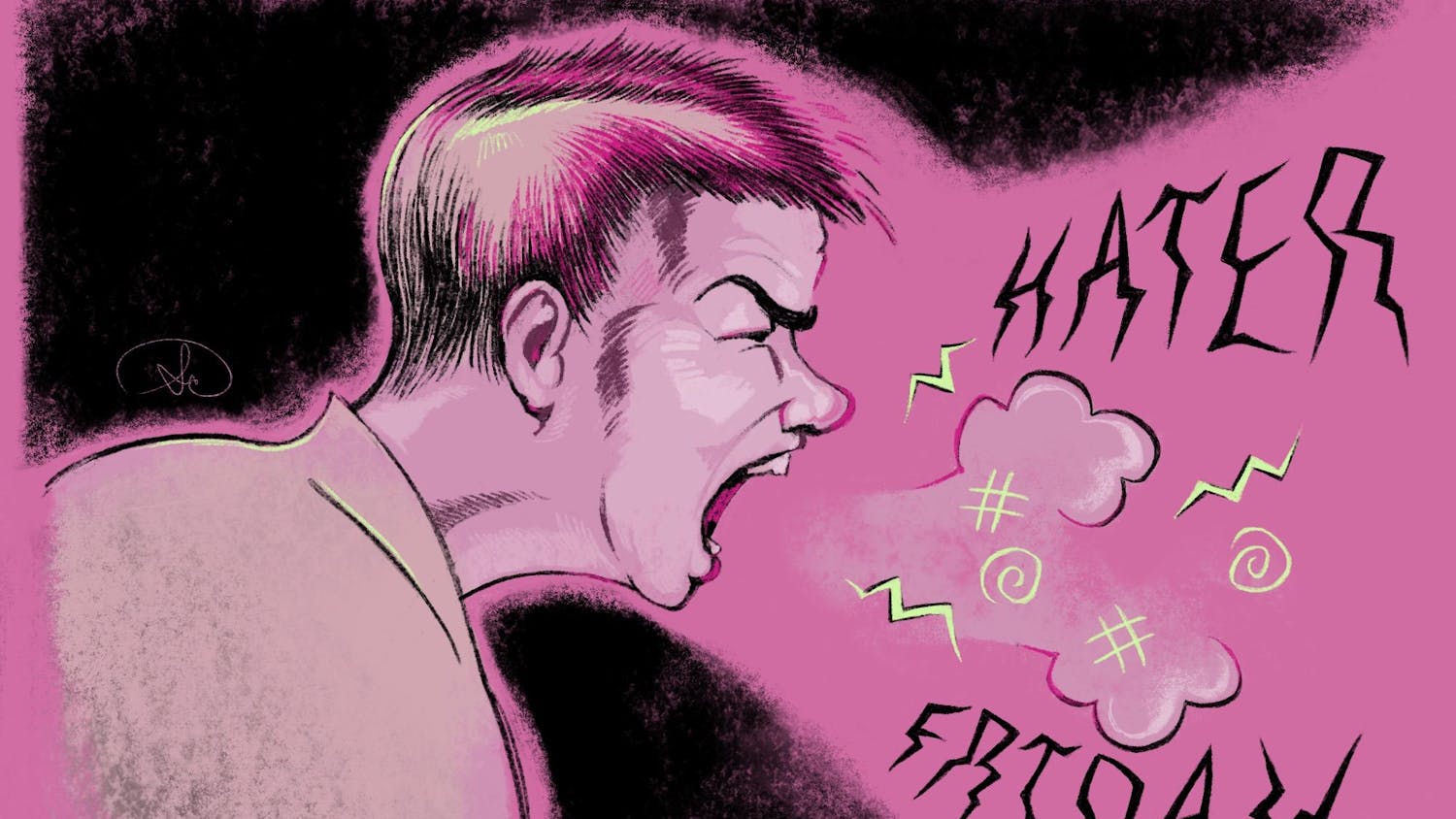
Yet, while most celebrity crushes and fascinations are relatively tame, there is often a territory of inappropriate behavior that fans will cross into. Sometimes the obsession is so strong that it morphs into a parasocial relationship, one in which the fan deludes themselves into thinking they know and have a real relationship with the celebrity. Often, a parasocial relationship turns violent, as the fan can decide to stalk or even harm others out of jealousy or a desire for approval. Think of the case with John Hinckley Jr., a man obsessed with Jodie Foster, who attempted to assassinate then-president Ronald Reagan.
Now, not everyone with a crush decides to assassinate the president. Part of the internet’s current favorite trend is to refer to everyone’s celebrity admiration as parasocial. The hard thing is, the area between normal fan and parasocial creep is often gray. For instance, is it parasocial to make a fan edit of two celebrities? I don’t think so. Editing two celebrities to be in a relationship together doesn’t inherently imply that the editor believes they know them and their (non-existent) relationship in real life. For instance, people tend to ship Tara Yummy and Jake Webber together, two YouTubers who were formally in a relationship before they broke up years ago. Often, under these edits is an accusation of parasociality. Yet, there is no indication that anyone shipping them together would go as far as to stalk or commit violent acts.
However, this ignores the greater question: Are these celebrities okay with it? Yummy and Webber have implied how uncomfortable these ship edits can make them. Although the editors aren’t doing anything technically wrong, it still can seem weird. Are the ship edits of real people parasocial? I don’t believe so. However, they contribute to the ever-growing problem of not treating celebrities like real people. As celebrities put on personas and live their lives in the spotlight, it’s easy for the public to forget that they deserve basic respect and kindness. If Yummy and Webber are incredibly uncomfortable with the edits, it should be reasonable to ask their fans to stop making them. If your personal friend, whom you know in real life, asked you to stop doing something as it made them uncomfortable, nine times out of 10, you would stop that behavior.
Part of the issue with parasociality originates in this twisted belief that you actually know the celebrity, despite having no non-public relationship to them. With the age of the internet, we now fully expect our celebrities to share all pieces of themselves with us, through TikTok, Instagram or other social media platforms. There’s almost this assumption that since the public made you famous, they are now completely entitled to your life. Part of this expectation was seen when Taylor Swift briefly dated Matty Healy, the controversial frontman of The 1975. Her fans (the Swifties) completely lost their minds over a grown woman’s relationship. Now, Healy is clearly problematic, having made multiple insensitive comments along with being an overall prickly person. Yet, the Swifties had no right to harass Swift and Healy for their relationship, going as far as to allegedly break them up.
What the Swifities did to Swift and Healy is clearly a case of intense parasocial behavior, not violent but obsessive. She should be allowed to make relationship choices and date whomever she wants without intense ridicule. Further, so should Healy. This situation highlights such a clear issue with being parasocial: the destruction of boundaries in assuming you actually know the celebrity. You could, of course, tell an actual friend what you thought of her new fling, but you would never tell your boss. Being parasocial enhances this complete destruction of boundaries between the celebrity and fan. Worse, this boundary destruction is ruined further by expectations surrounding the internet. It used to be that celebrities were only accessible through controlled and regulated media. Now, we expect them to be available to us 24/7.
I don’t think it’s a crime to care about celebrities. I also don’t think it’s a crime to have a crush on one or many of them. It’s true that they did indeed choose to become public figures. However, their choice to place themselves in the spotlight does not give the public the green light to harass and obsess over every decision they make.
You’re likely not parasocial. However, I would suggest looking deeper at how you see celebrities, as a commodity or as a person.
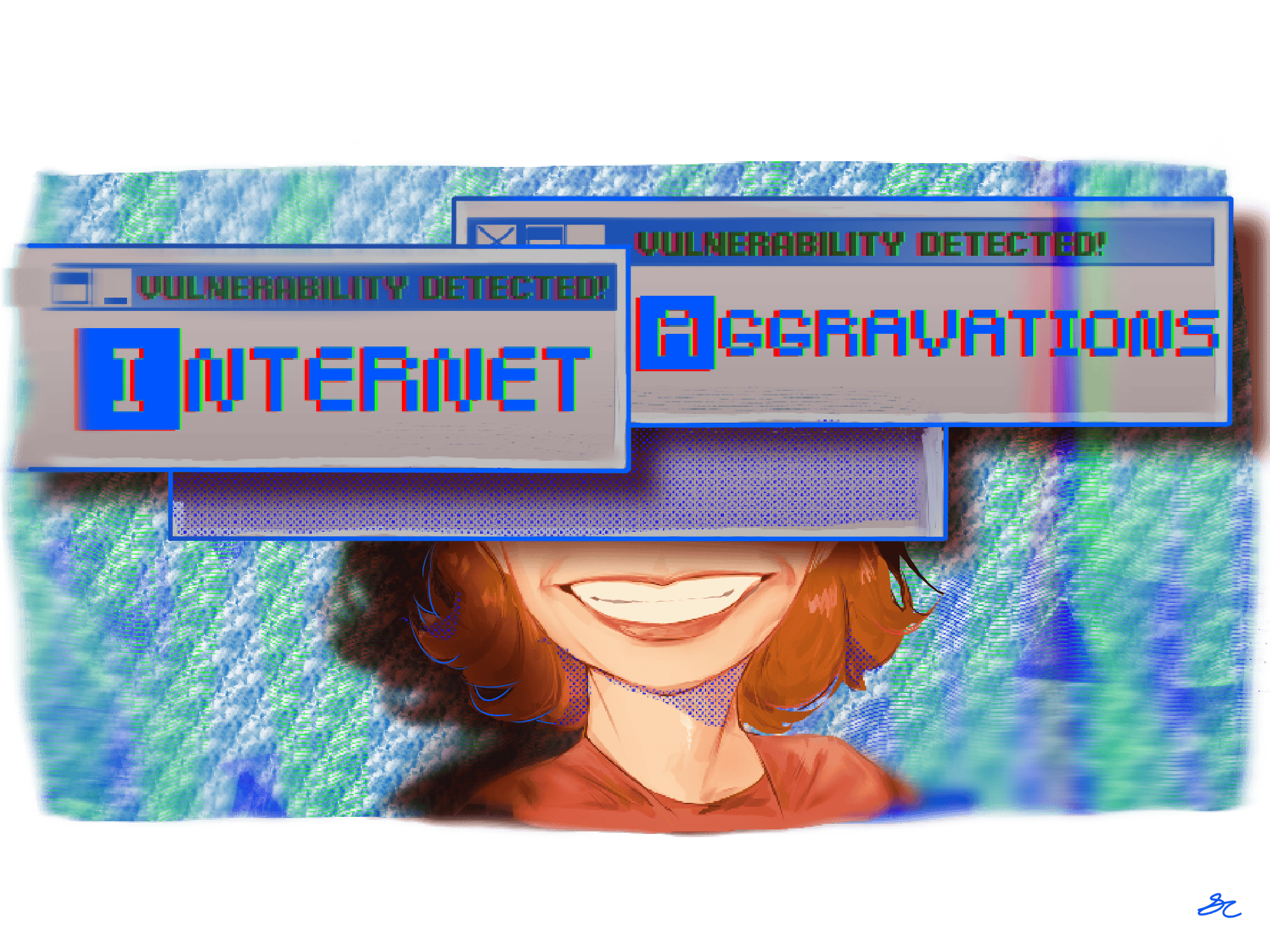
‘Internet Aggravations’ is a column discussing large-scale controversies related to the arts or general popular culture found online, especially on heated platforms such as TikTok and X.

Kate LaGatta is a member of the Class of 2029 in the College of Arts and Sciences. She is a columnist for the Arts & Culture department and can be reached at klagatta@cornellsun.com.