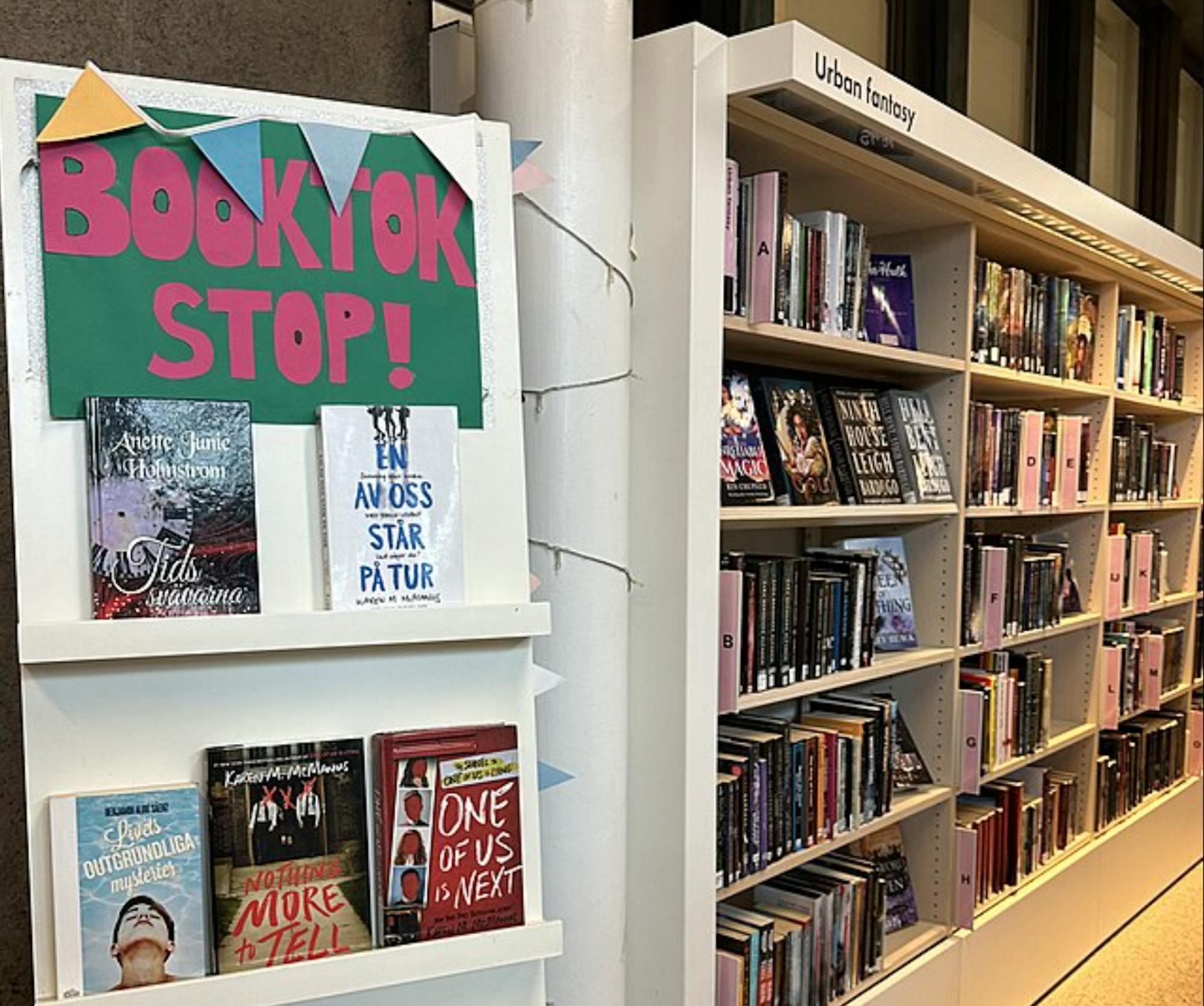
Enemies-to-lovers, slow burn, one bed, dark academia, morally gray characters — the list goes on. I'm sure many readers are rolling their eyes at this all too familiar list of overdone tropes, and at this point, I am too. If I see one more book described with boring tropes and a title of jumbled, mostly non-associated genre buzzwords, I might just combust. These books have become the darlings of BookTok because they can be marketed with just a few words in videos suitable for our generation's feeble attention span. This is not to hate against BookTok — I genuinely enjoy the community that has been built from this space and can appreciate that BookTok has benefited the bookselling industry. However, the use of monotonous tropes in the publishing industry is decidedly not a good trend since it is detrimental to both the craft of writing and the hobby of reading.
Through tropes like these, books are reduced to marketing stunts, no longer the products of genuine, artistic craft. As consumers, we aren’t valuing the book at its core. Instead, we are valuing trends and superficial words. The unfortunate part is that these trope-ridden books do well. They catch eyes and sales with their promises, but fail to deliver in terms of quality or craft. Maybe that is harsh or ignorant for me to claim, as I'm coming from a perspective outside of the industry, but I believe the world of traditional publishing should be dominated by authors who truly want to put something heartfelt and new out into the world. Anyone who writes anything is an author. I do not believe in the term ‘aspiring author’ — if you write stories, even bad ones, you are an author. However, talented authors should not have to resort to mere tropes just to get their foot in the door. Even widely successful authors are having to slap on some tropes just to get their new works noticed. One author, Ava Reid, posted on her Instagram story recently about disliking how she must market her new book with popular tropes as it reduces her work to something it is not, especially with romance tropes. She specifically mentioned how it leads readers to confuse a theme with a genre. So many tropes center around romance, but she does not see the book as a romance; it is rather a book with romantic elements that are not the focal point nor the entire genre.
That being said, reliance on popular tropes is not always an act of reducing the art of literature. Sometimes, tropes are simply used as cop-outs for bad writing. Horrible sentence structure, even worse dialogue and the most boring plot you could ever imagine can all be sweetly wrapped up with a thousand bows of tropes and still be shelved in bookstores. Centering a book around tropes like an enemies-to-lovers fantasy with a morally gray love interest is just a front for repetitive, formulaic and predictable plots that hold no real depth or humanity. I personally read to feel things, and I write because I have things to say, so being bombarded by a slew of shallow, trope-heavy books plastered across social media and bookstores is disheartening to say the least. If anything, it has the opposite effect than what marketers intend because if I see a book marketed solely by tropes, I run the other way, expecting the writing to be subpar at best. I know this now because I have been ensnared by trope-ification before. On occasion when reading, I felt as if I were losing brain cells by the chapter — if I read too many trope-ified books, I would have become the mindless lump marketers hope to trap. These are not books that should be succeeding because they check a few meaningless boxes. True works of art are being lost to the wild ocean of publishing. Occasionally a treasure is brought to shore and a book that was not marketed for success ends up doing well. But really, we need publishers searching the depths instead of just scraping the airy foam from the top.
Trope marketing is not solely perpetuated by authors and publishers, it is reinforced by readers. It is this reinforcement that allows tropes to dig their poisonous roots further into the soil of good storytelling. Many readers have taken up the role of book reviewing — myself included — and with that role, readers have the ability, in part, to shape how a book is received. With reviewers whose platform of choice is newspaper or blog-based, it is easier to avoid tropes since the media is written and readers expect to read longer pieces. But reviewers who work with social media often fall victim to trope-ification. As I mentioned before, attention spans are not what they used to be, so if a reviewer can convince someone to read a book with a few words, they'll gravitate toward doing so. I propose an alternative way for reviewers to consider the books they recommend, which, controversially, requires a little more thinking. Think of hooks and share a sentence or two of summary that tantalizes the prospective reader with the book’s world and the characters’ main challenges. No buzzwords, no tropes, just a little storytelling of your own. This way, maybe we can save the book world from the blight of the trope — our own noble quest as readers.
Ayla Kruse Lawson is a member of the Class of 2027 in the College of Human Ecology. She is a staff writer for the Arts & Culture department and can be reached at akruselawson@cornellsun.com.