

Cornell likes to call itself a place where ideas can be freely shared and debated. We see that idea in promotional materials, orientation speeches and university mission statements. The First Amendment Clinic at Cornell Law School even trains students to defend free speech rights in real legal settings. But the everyday experience of students suggests a different story. When speech becomes uncomfortable, disruptive or politically charged, Cornell’s support for free expression starts to feel very conditional.
Part of the confusion comes from Cornell’s status as a private university. The First Amendment restricts government action, so it does not legally bind Cornell the same way it binds public universities. But Cornell chooses to adopt similar free speech values in its policies. Students still expect to express their views freely, even if the legal rules do not require it.
Recent events show just how messy that expectation can be. In April 2024, hundreds of students formed a pro-Palestine encampment on the Arts Quad. They were protesting the university’s response to the war in Israel and Gaza and calling for institutional changes. The encampment drew widespread attention and energized student activists. But the administration responded with disciplinary action, including temporary suspensions for at least four students involved in the protest. Those disciplinary decisions raised questions about whether Cornell was punishing students for speaking out rather than protecting their right to do so.
Supporters of the encampment argued that their actions were a form of political expression. Opponents said the protest interfered with academic life. The administration tried to balance those concerns, but many students felt that the university was more interested in managing risk than defending speech.
Part of the challenge is the way expressive activity is governed on campus. In March 2025, the university approved a new expressive activity policy that sets rules for demonstrations, rallies and other forms of speech. The official message from the administration was that the policy respects student expression while keeping the campus safe and orderly. But the rollout of the policy sparked its own controversy.
One Cornell Daily Sun article described a revision that allowed students wearing certain politically charged items to be as disruptive as possible on campus. Even though that article was written with humor, it highlighted a real fear among students. Many felt that the policy could be used to protect some kinds of political expression while limiting others. The concern was that speech might be free in theory, but restricted in practice based on who is speaking and how others react.
Critics of the policy say the new rules give administrators too much discretion to decide when speech becomes a problem. Students have to apply for permits for certain events. There are limits on amplified sound and rules about where and when demonstrations can occur. Some student groups, such as members of the conservative students of Cornell, pointed out that these requirements could dilute the impact of their political expression. They say bureaucratic hurdles make it harder to protest effectively.
A show of how complicated the issue is came in August 2025 during a rally called “Take Back Our University.” The event brought together students from a wide range of causes, from international human rights to labor rights. But even this unified effort was not free from division. Some attendees faced heckling from people who disagreed with their positions. What should have been a moment of collective expression became a reminder that free speech also means listening to views you do not like and engaging with them respectfully.
If Cornell students learn that free expression depends on approval from administrators or that it is only allowed when it is polite, they may carry those lessons into their professional lives. I wondered, is there truly a way to have free speech without fear of shame?
Cornell University’s Expressive Activity Policy seeks to create a framework that supports free speech on campus. However, when students encounter disciplinary measures for engaging in persistent and disruptive protests, it raises questions about the actual significance of their rights to express opinions. The university faces the challenge of balancing safety and academic integrity with the imperative for open dialogue and political expression.
Cornell often emphasizes the idea of a marketplace of ideas. Yet, free expression goes beyond a mere slogan; it requires active defense, practice and protection. Cornell can lead by example, fostering an environment where all students feel empowered to speak out, even when it's uncomfortable.
The Sun is interested in publishing a broad and diverse set of content from the Cornell and greater Ithaca community. We want to hear what you have to say about this topic or any of our pieces. Here are some guidelines on how to submit. And here’s our email: opinion-editor@cornellsun.com.

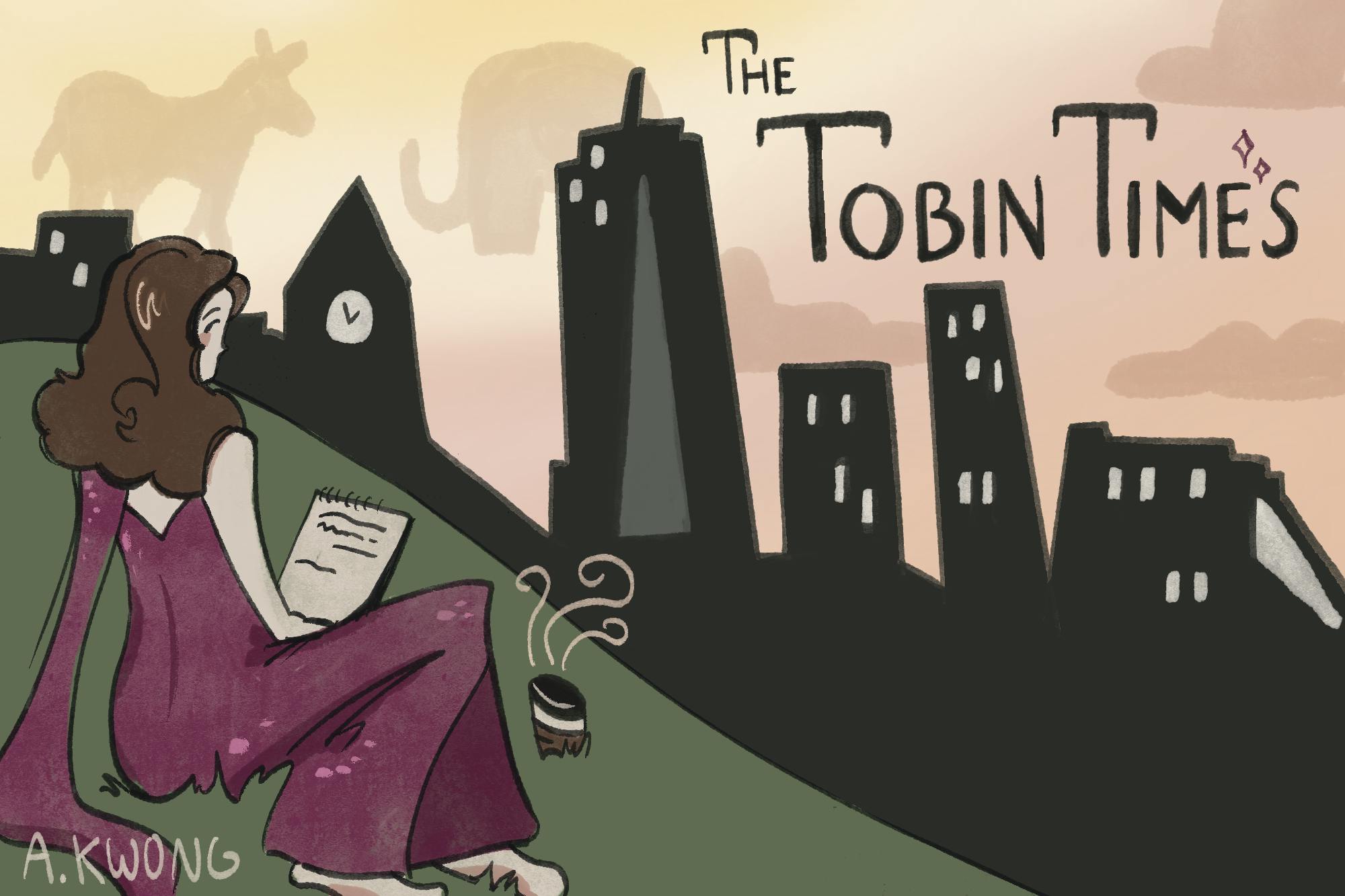
Lali Tobin MPA '27 is an Opinion Columnist and a master's student at the Jeb E. Brooks School of Public Policy. Her monthly column, The Tobin Times, explores public policy and politics through different lenses. She hopes to engage readers in hearing how politics is the most discussed topic in the media and why it is important to stay on top of current issues. She also hopes to tackle current social trends that can be connected through public policy. She can be reached at ltobin@cornellsun.com.


