


This Valentine’s Day, we will be again bombarded with various messages: blessings to those in relationships, to those who have crushes, to flirtations, to those not looking for love, to those single but without a partner and beyond. You’ve got to host galentines, you need to do this kind of Valentine’s experience, don’t forget to get them flowers and chocolate!
This social guilt-trip is known to be a capitalist move to keep you buying stuff. Yet, it’s been reported that 61% of Americans dread holidays for the financial commitment that comes with gift-buying. But that’s not my argument.
My argument is that we as a country are not doing enough to be kind, empathetic and compassionate towards each other. In order for us to live happier lives, we ought to try something new to help us get there.
The problem is what we are not doing.
A 2025 poll shows that 61% of Americans believe that compassion in this country has decreased since 2020, and only 20% believe it has increased. The inevitable question is: Does this mean compassion is actually going down? I say it’s the same difference. If perception is going down, that’s all that matters.
Empathy and compassion are different things, but the average American will conflate the two. Studies show that both compassion and empathy require cognitive effort, and that we are doing less of both because we’re avoiding that effort.
The recent decrease could be attributable to multiple causes, but because the individual experience is so nuanced and the trend is observable on a national level, a culprit is difficult to find. However, I have a theory.
The modern world is not set up to increase empathy.
The rapid rise and continued popularity of social media has brought a number of problems for us cognitively. A 2022 study found that during Facebook’s rise in popularity, student mental health deteriorated significantly and often impaired their overall academic performance. In 2021, a review article analyzing 50 other articles found that among the positive social and inclusion-based outcomes of social media, it also increased depression, anxiety, loneliness, poor sleep, thoughts of self-harm, body image dissatisfaction, overall life dissatisfaction and more. I find it compelling that these measurements coincide with our decrease in empathy.
None of this is new. We’ve known about this for years, and yet only now do we see landmark court cases attempting to hold social media companies accountable for deliberately building their platforms in addictive ways to keep your attention and push you more ads. The point has always been to keep you enraged and engaged, coupled with the fear of missing out.
In 2025, I deleted the two social media platforms I used the most: TikTok and Instagram. The reason for each was different. For TikTok, I was conscious of not only how much time I wasted on the platform, but at how angry I was all the time. Whether it was a politician, a bad take by an influencer, a fabricated controversy or another reminder of what I’m not doing enough of, I found myself expressing rage and sadness because of a screen. With Instagram, it wasn’t quite rage — it was time. By getting lost in my phone for hours each day in between work meetings and classes, I was throwing away time I could’ve spent with my friends, family, work or peacefully alone. When I saw my daily usage, I knew it was time.
I’m no saint, nor is this story particularly inspiring. However, the results are real: my mood is better, my emotional regulation has improved, I’m more productive and I’m more satisfied with my life. How does this relate to Valentine’s Day? Absent the online frustration or time drain, I have been far more present for those I care about, productive and kind to others.
The solution is to be kind and give grace.
I’m not telling you to delete your social media. If you’re interested in trying it, don’t worry: I’ve never missed out on anything. I still read the news and stay informed on current events, and I don’t miss scrolling and getting lost in my phone (I should probably lay off the strategy games I play, but hey, those help forward-thinking, right?). What you do have to do is give yourself and others just a little more grace than yesterday.
Yes, my faith inspires this piece and its title, but you don’t have to be Catholic or religious to know that part of a fulfilling life is to be kind to the person next to you. I’m only suggesting that you do something nice for someone you know without expecting them to do something for you.
This Valentine’s Day, know that the measure of love is not a dollar sign. Make an effort to do something kind for someone else and don’t tell anyone about it. Do it just because the world needs more of it. Hold doors open, buy someone a coffee, help your friend carry their things, sit with someone as they deal with something that hurt them or pay someone a compliment. All of us consistently spreading love will be what helps us fight the mental health crisis in this country. More often than not, you’ll make someone’s day; and what a wonderful world that would be.
The Sun is interested in publishing a broad and diverse set of content from the Cornell and greater Ithaca community. We want to hear what you have to say about this topic or any of our pieces. Here are some guidelines on how to submit. And here’s our email: opinion-editor@cornellsun.com.

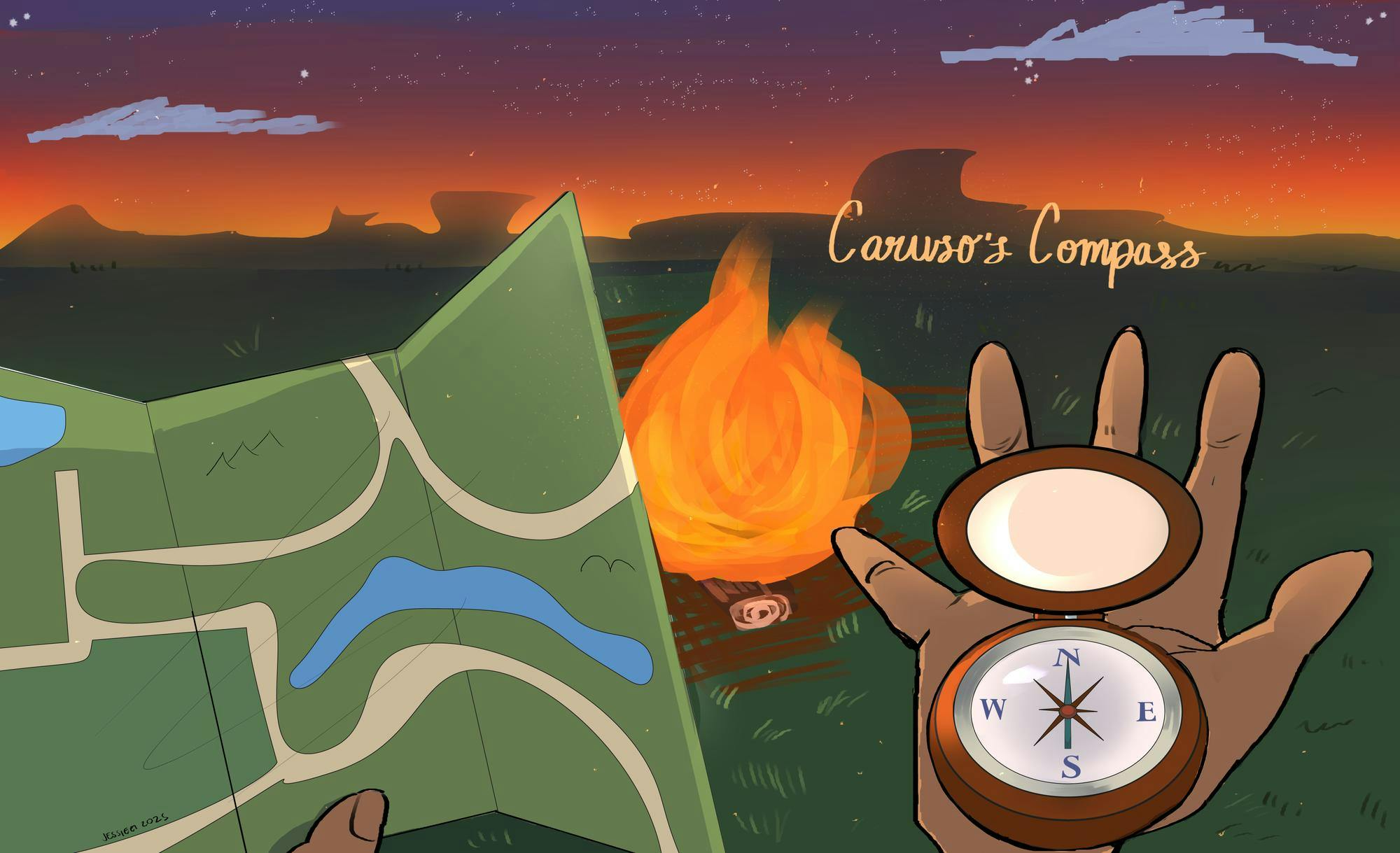
Paul Caruso is an Opinion Columnist and a second year MPA student in the Brooks School of Public Policy and the Founder of the Cornell Negotiation Student Society. His column, Caruso's Compass, focuses on politics, international affairs, and campus life. The column seeks to identify issues with the status quo and provide solutions to them. He can be reached at pcaruso@cornellsun.com.


