“More than ever before in the recent history of this nation, educators are compelled to confront the biases that have shaped teaching practices in our society and to create new ways of knowing, different strategies for the sharing of knowledge.” - bell hooks (Gloria Jean Watkins), Teaching to Transgress
This February marks the 50th anniversary of Black History Month as a nationally recognized celebration. Martin Luther King Jr., arguably the most famous civil rights activist of the 20th century, is an example of an intersection activist with his links to the origins of the environmental justice movement.
Dr. King spoke at the Memphis Sanitation Worker’s Strike a day prior to his assassination in April 1968. The historic strike began in response to the death of two Black garbage collectors and fought against the unfair working conditions and wages of Black workers. This event is often referred to as a precursor to the environmental justice movement as it highlighted how race, labor and the environment are inextricably linked. After two months of striking, numerous police attacks on non-violent demonstrators and the assassination of Dr. King, the Memphis City Council agreed to increase wages and recognize the local union. This connection between civil rights movements and other movements such as environmentalism is not unique to Dr. King but is shared by a host of Black activists including Fannie Lou Hamer, Benjamin Chavis and Ella Baker.
On college campuses, Black civil rights activists utilized their platform to support other causes similarly affecting their community. This is evident in Cornell history by the 1969 Willard Straight Hall Occupation, which arose as a result of students being punished for protesting the lack of a Black studies program. The occupation was the catalyst for the establishment of other cultural studies programs such as the Asian American Studies program here at Cornell. Without the resistance and bravery of those Black and Latino students, Cornell would be a very different institution than the one we know today.
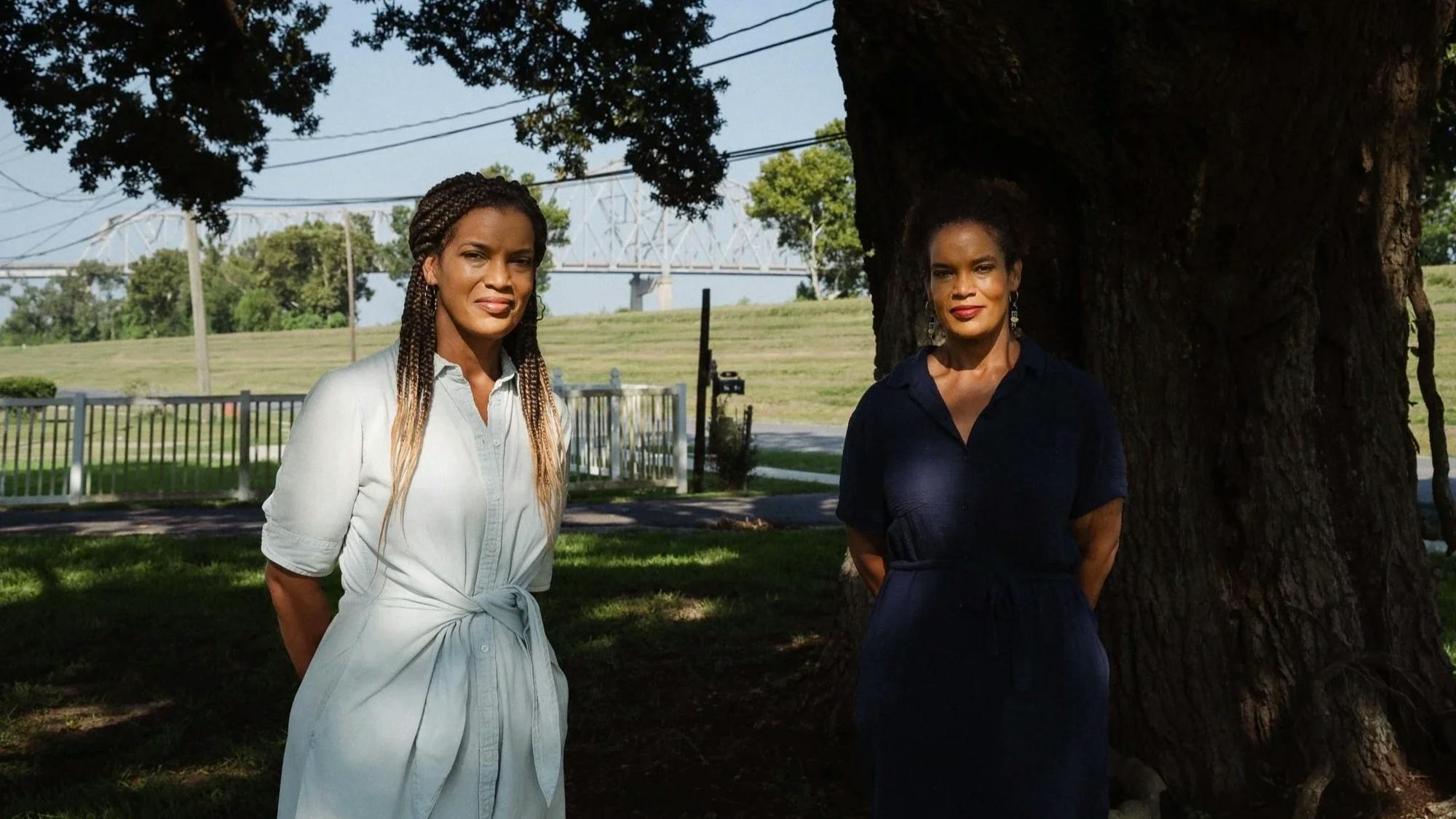
At Cornell and beyond, history is in the making every day. The Descendants Project is an example of a modern group of Black activists who refuse to be defined by boundaries. Not only is this group fighting for environmental justice but also for intergenerational healing with the desire to “liberate Louisiana’s descendant communities from the legacies of slavery.” This intersectional approach is a prime example of a Black advocacy group that academia can learn from. Meanwhile, closer to Ithaca is the Brooklyn nonprofit called the Center for NuLeadership on Human Justice and Healing, which has a mission to end mass incarceration through human centered justice. The Center for NuLeadership takes an intersectional approach focused on healing and improving communities most affected by intergenerational incarceration through combining housing, food and land justice. One project the organization is focused on is called “The People’s Land,” which connects New York City communities with nature to heal intergenerational trauma caused by the prison-industrial complex. These are only two of many organizations that are innovative and serve as intersectional approaches that academia can learn from.
Academics desire impact yet propagate isolated silos. I see this constantly within departments as professors are divided between research methods and ideology. The world does not exist in isolated silos but rather through interconnected streams. Black activists and scholars have a long history of operating in an intersectional capacity and as such are a prime example of how academia can break tradition and enact change in an equitable and just manner. A host of institutional barriers exist within academia that don’t allow for intersectionality to bloom.
Academia is so desperately missing intersectional approaches that promote justice-oriented problem-solving. Within Cornell, departments are divided between disciplines, departmental norms and ideologies. As a mixed-methods researcher, I am constantly walking the fine line between the quantitative and qualitative realms. Writing this article reminded me that I am not alone and following in the well-worn trail of Black activists and scholars like bell hooks who refused to be siloed.
It is clear that Cornell University is attempting to promote intersectionality with the recent creation of the Ashley School of Global Development and the Environment in December 2025. This school has the opportunity to solve the problems of this complex and multifaceted world with new approaches that aren’t rooted in colonialism. We can’t talk about Cornell’s School of Agriculture and Life Sciences without discussing the land grant mission and its links to land grabs and colonialism. Cornell University is a land grant institution which profited off the dispossession of the traditional indigenous homelands. Even compared to other land grant institutions, Cornell University has profited the most significantly from this dispossession.
We need to accept new ways of knowing. Academia claims a desire to make an impact without the bravery to break institutional barriers. Academia needs to step down from its ivory tower and immerse itself in the unknown. While the University has taken baby steps towards accepting other ways of knowing, a marathon still lies ahead. Black activists were not afraid to restart and in the words of bell hooks in Teaching to Transgress, “The classroom remains the most radical space of possibility in the academy.” So let’s use it, y’all.
The Sun is interested in publishing a broad and diverse set of content from the Cornell and greater Ithaca community. We want to hear what you have to say about this topic or any of our pieces. Here are some guidelines on how to submit. And here’s our email: opinion-editor@cornellsun.com.
Natalia Butler M.S./Ph.D. is an Opinion Columnist from the Department of Natural Resources and the Environment. Her monthly column, Beyond Ivory Towers, explores the role of academics in the face of the climate and biodiversity crisis. She can be reached at nbutler@cornellsun.com.