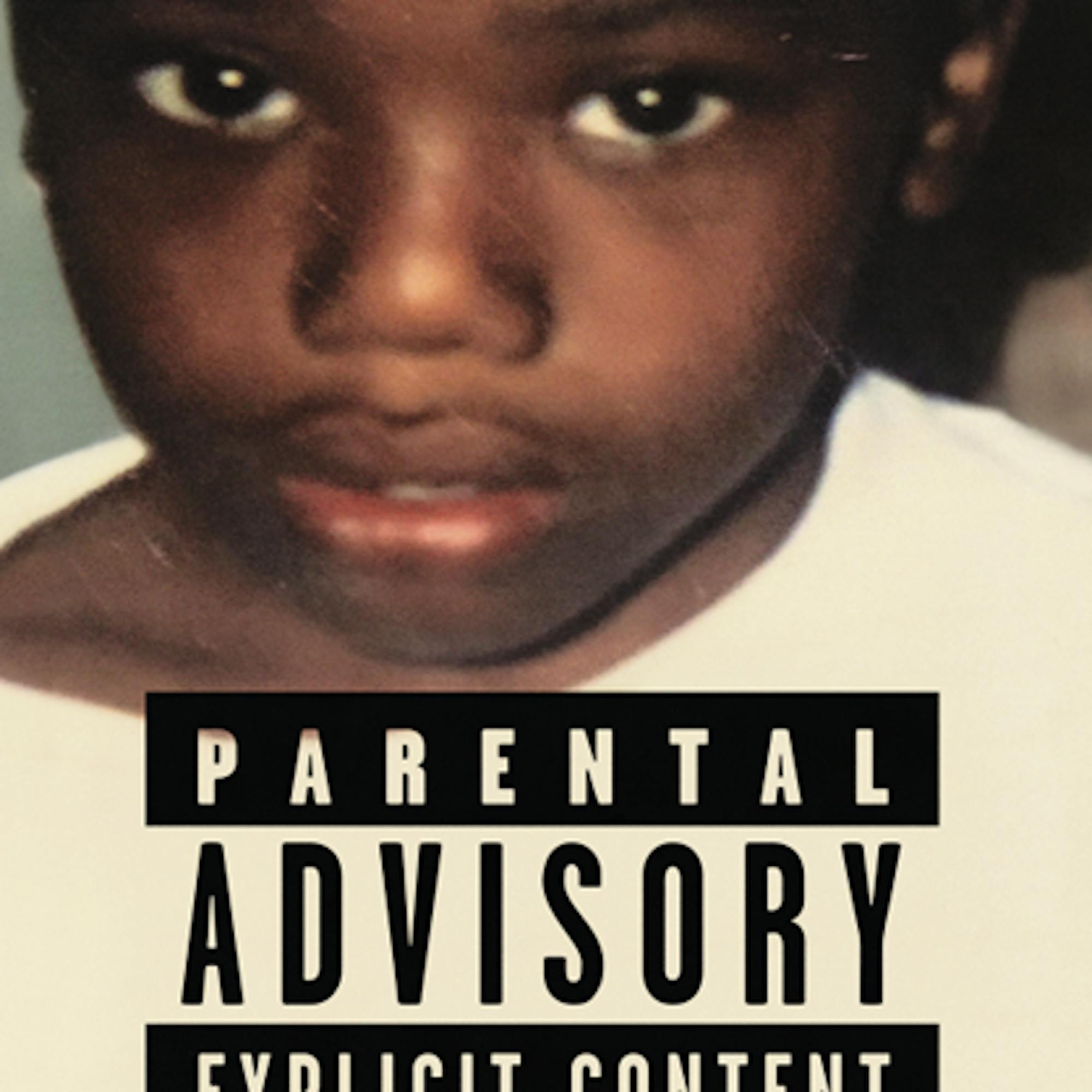
After a long hiatus, Baby Keem, born Hykeem Carter, released his second studio album, Ca$ino, on Feb. 20, 2026. On the album, the 25-year-old Las Vegas native reflects on growing up in Sin City with his grandmother, combining his unique voice and aggressive beats into a frontrunner for hip hop album of the year.
Keem, who was a contributing artist on Black Panther’s soundtrack at 17 years old, was making beats for Jay Rock at 18 and released his first mixtape the same year, has burst onto the scene as one of the most prominent young artists in hip hop. It doesn’t hurt that he's the second cousin of music legend Kendrick Lamar. Keem’s first studio album, The Melodic Blue, was released in 2021 and earned the young artist a Grammy for Best Rap Performance. Then, Keem went silent for the next five years. His only musical contributions were a collaboration with Lamar on The Hillbillies and two ad libs on Tyler, The Creator’s most recent albums.
In tandem with the album's release on streaming services, Keem held a listening party and concert, performing some of the songs for fans in Los Angeles and also discussing where he has been over the last five years. Keem, who was raised by his grandmother in Las Vegas, said that he watched his grandmother die in the house that he bought her less than two years ago, an event that made him go back to the drawing board for his next musical contribution. Additionally, on track nine of Ca$ino, “Circus Circus Freestyle,” Keem raps that “I almost died when I took the vaccine / I was gone for two years, down bad, reflecting,” which explains the lack of musical output directly following The Melodic Blue.
After getting his apologies out of the way, Keem had the tracks begin playing. The album begins with “No Security,” a slower reflection on growing up less fortunate and now encountering fame and wealth, putting him in difficult situations with his family needing his help. The spending of his newfound wealth on cars and gambling to try and “scratch the itch” is to no avail. The melancholic vibe of “No Security” is quickly tossed aside with the title track, “Ca$ino.” The blend of trap and synth music results in a high-energy beat, shifting the messaging from reflection on the difficult money situations he is in now to spending money recklessly to numb the pain. The high-octane song acts more as a party around Keem, “racking up bills” and feeling numb; however, having this money and fame means he is unable to complain, thinking that his feelings are invalidated by wealth.
The tonal switches continue through “Birds & the Bees” and “Good Flirts,” with a shift toward a melodic rap style and hints of R&B. “Good Flirts” features two guests, Momo Boyd and Kendrick Lamar, who interpolate Common's "The Light." The track is slower and more seductive, with Keem reflecting on an ex-relationship. The features from Lamar and Boyd are strongest here, with heavy inspiration from Lamar’s Mr. Morale & the Big Steppers interludes.
“House Money” returns to trap beats and harder rapping, showcasing a colder, more apathetic Keem from the past. The lyrics are egotistical and vulgar, and they discuss moving from woman to woman when one of them starts to disappoint him. “House Money” is the most decisive song on the album, featuring another guest performance from Kendrick Lamar. Enjoyment of the track depends on one’s liking of Keem's squeaky voice, which is most prominent on this song and the Lamar feature, contrasting his earlier seductive feature with a harder, more aggressive verse.
The best track on the album and in Baby Keem’s career as a whole comes next with “I am not a Lyricist.” Despite the title, the song features Keem’s best writing of his career and a different style of rapping, very reminiscent of Andre 3000. The ironically-titled track shifts to a spoken word style with a piano-dominant beat, as Keem raps about his move from Long Beach, California, to Las Vegas. He explores his struggles growing up in Sin City, the “dirty desert” as he calls it, and the toll that it takes on the ordinary people who live in the city of casinos. Keem dedicates the song, through his lyrics, to the runaways, the underworld and the underpaid, each of these worlds being ones he and his family have come from.
The back-and-forth style of the album, from introspective and reflective to egotistical and aggressive, culminates in the final track, “No Blame.” With “No Blame,” Keem gives an autobiographical rap discussing past struggles with his mom and grandmother through touching on times in his childhood where they brought him pain before repeating “I don’t blame you, mama.” This track continues to show the developing maturity and growth of Keem as an artist.
A five-year wait for an album makes expectations incredibly high. Baby Keem, in his sophomore appearance, exceeds all those expectations placed upon him, not being complacent with the style he developed in The Melodic Blue. Instead, Keem continues to experiment with his production, having the most unique sounding hip hop album in years. His squeakier voice is a mainstay in his work and continues here on Ca$ino, making him stand apart from other rappers. The most growth Keem shows is in his lyrics, with this album being his most personal so far and his most thematically concise. Despite the tragedies he suffered, the artist was able to channel his pain into a reflection on his upbringing with his mom and grandmother while also criticizing how he had acted in the past. With Ca$ino, Baby Keem has hit the jackpot and positioned himself as the best artist in the next generation of hip hop and rap.
Brayden Rogers is a member of the Class of 2028 in the College of Arts and Sciences. He is a columnist for the Arts & Culture department and can be reached at brogers@cornellsun.com.