A dance performance cannot exist without music. In order to convey a true emotion necessary for a fantastic piece of art, there needs to be a soundtrack supporting the moves. Additionally, songs help performers stay on beat and engaged within the piece. Think of ballet: Without Tchaikovsky’s score, Swan Lake would lack an integral piece of passion. The moves would be beautiful, yet part of the performance’s soul would be gone. Even the dancers themselves would feel the lack, conveying less distinct emotion in silence.
This same concept applies to figure skating, a sport in which each athlete intentionally chooses a song corresponding with their routines. At the Olympics, figure skating is split into five medal events: men’s singles, women’s singles, pairs, ice dance, and the team event. Each event, besides the team event, has two distinct segments. Each skater (with their coach) develops a routine and chooses their music for both parts.
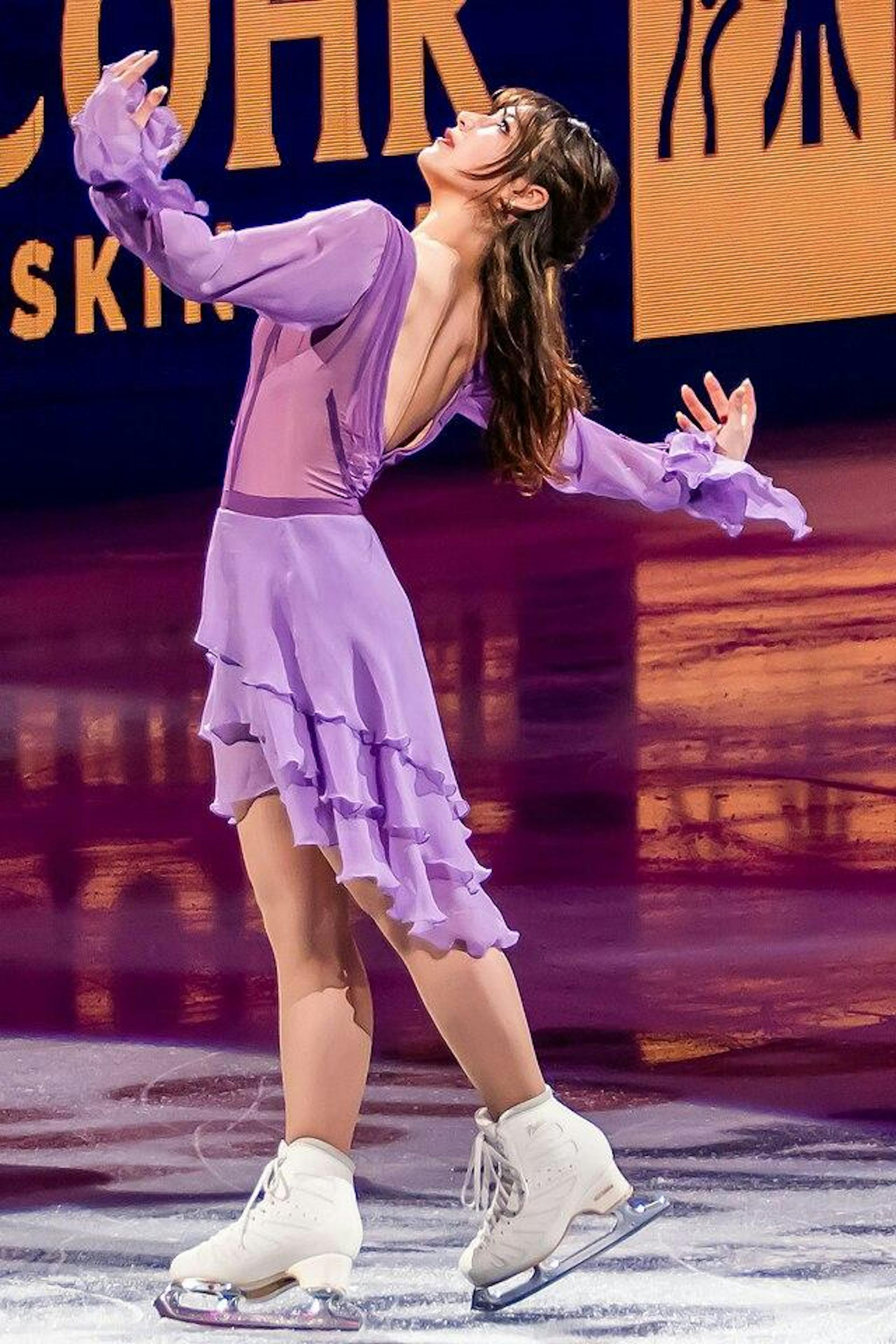
All chosen songs by the performers enhance each routine. At the 2026 Milano Cortana Olympics, American Alyssa Liu’s gold medal-winning routine was set to Donna Summer’s “MacArthur Park,” a ‘’70s disco track. The song is magical, featuring backing vocals, synth effects and signature disco funk. For Liu’s relaxed performance, the song enhanced the joy on her face, a trait of her performance that pushed her to gold. As she twirled and leaped across the ice, Summer’s track helped convey the absolute love of skating Liu has, something that made her performance stand out in Olympic history.
Besides overt joy, music can help convey a distinct sense of passion, especially within the pairs and ice dance categories. Both featuring two dancers, their chemistry is one of the most important parts of their performances, not only in representing passion but also in synchronizing movements and moves. A pair without chemistry is a pair that fails to sync.
In the 2018 PyeongChang Olympics, Canadians Tessa Virtue and Scott Moir danced to “El Tango de Roxanne” from Baz Lurman’s Moulin Rouge!, winning the gold in ice dance. The song, about an unrequited love affair, lifts up Virtue and Moir’s performance as they dance like their lives depend on the love between them. A song as passionate as “El Tango de Roxanne” is perfect for a duo-oriented dance and hits every emotional climax as they twist and flip between each other. With the song soundtracking the performance, you feel every little look they give each other.
This collaboration between song and ice dance passion was clear this year in Milan, with the routine of silver-winning duo, married couple Madison Chock and Evan Bates. Skating to “Paint It Black,” arranged by Ramin Djawadi for the TV series Westworld, the instrumental provides a new twist on the classic Rolling Stones song. The tempo starts slower, before launching into the familiar fast beat. Djawadi’s instrumental also features a variety of string instruments, creating a perfect atmospheric echo. The drama of the score matches the drama of their performance, with added elements like a caped costume and makeup creating a podium-placing performance.
After a devastating mistake in her first round, American Amber Glenn bounced back with a strong free skate performance in women’s singles this year in Milan. Skating to “I Will Find You” by Audiomachine and “The Return” by CLANN, both songs provided a comfortable base for her to ground herself. The first song is a piano instrumental with a consistent tempo that shifts the attention fully to Glenn. She hits her first move, the coveted triple axel, with precision as the score remains steady behind her. Beyond that, the nature of the piano allows the viewer to fully hear the sounds of her skates. Hearing each jump and swirl, the viewer is instantly drawn into the world of her performance, an element indicative of a powerful routine.
Halfway through Glenn’s performance, the song switches to “The Return,” an electric epic with a distinct violin. This song is perfect for a comeback story, as Glenn dances flawlessly. Although she likely knew that she wouldn’t reach the podium, the instrumental soars as she floats across the ice. The song sounds like it is right out of a movie soundtrack, creating a cinematic performance. Through the combination of the two songs, it is clear just how important this comeback routine is, not only to Glenn, but to the entire audience in Milan.
Although not recognized to the extent of ballet or jazz, figure skating is one of the most elegant and difficult forms of dance. It requires both the basics of regular dance and the ability to jump and twirl on ice. Just like every other type of dance, music is integral in differentiating and determining a performance. The right combination of music and movement can create magic, the same magic that places on the podium.

Kate LaGatta is a member of the Class of 2029 in the College of Arts and Sciences. She is a columnist for the Arts & Culture department and can be reached at klagatta@cornellsun.com.