When most people hear the phrase "space warfare," they imagine science fiction battles, not real-world military strategy. But in today’s world, outer space has become a great frontier of geopolitical competition, and the United States is preparing accordingly.
According to Avishai Melamed, a government PhD candidate and expert on space policy, space has been part of U.S. foreign policy considerations since World War II, when weapons were first introduced into the domain. However, only in recent years has there been a dramatic rise in attention to space as a plausible arena for conflict.
“The idea of space as a warfighting domain has shifted from speculation to something close to a truism, and that’s reshaped American defense strategy,” Melamed said, describing the creation of a new military branch, increase in investment and capabilities of the sector and deepening partnerships with private actors.
According to Melamed, the U.S. has made space a strategic priority, especially in the face of rising tensions with China.
“Space plays a critical role in the broader competition between the U.S. and China for technological and strategic dominance. It’s both an economic and security arena, offering unique opportunities and challenges,” Melamed said.
The race to secure orbital dominance has become a matter of national security, where both nations are competing not just for resources but for influence over the future of space governance itself. Melamed points to initiatives like the Artemis Accords and China’s International Lunar Research Station as battlegrounds where the U.S. and China are vying for influence.
The competition in space isn’t just about satellites and rockets. It’s about capabilities that can shift the balance of power, particularly in military strategy. Melamed highlights key areas of investment, such as the Space Warfighting Framework for Planners, released in April.
This document from the United States Space Force focuses on improving space logistics and maneuverability.
Melamed predicts there will likely be the development of new offensive capabilities as part of the evolving military doctrine. His perspective on what the future of space holds is grounded in the reality of today’s technological race.
“The actual chances of real conflict depend largely on politics,” he said. "Technology doesn’t determine it all on its own, so we can take meaningful steps to prevent such conflicts from breaking out in the first place."
This preventive approach, combined with the escalation of offensive capabilities, aims to make any potential conflict in space as costly as possible, deterring adversaries through the threat of mutual destruction. But Melamed emphasizes that preventing conflict requires more than just preparing for war.
"We must prepare for the possibility of conflict to be ready for either situation,” Melamed said.“Balancing preparation with prevention is a key question of deterrence."
Amidst the competition of military and commercial interests, the role of private companies cannot be overlooked, according to Melamed, who says that these companies have “unlocked a whole host of new technologies that directly impact international relations, the international economy and security considerations.”
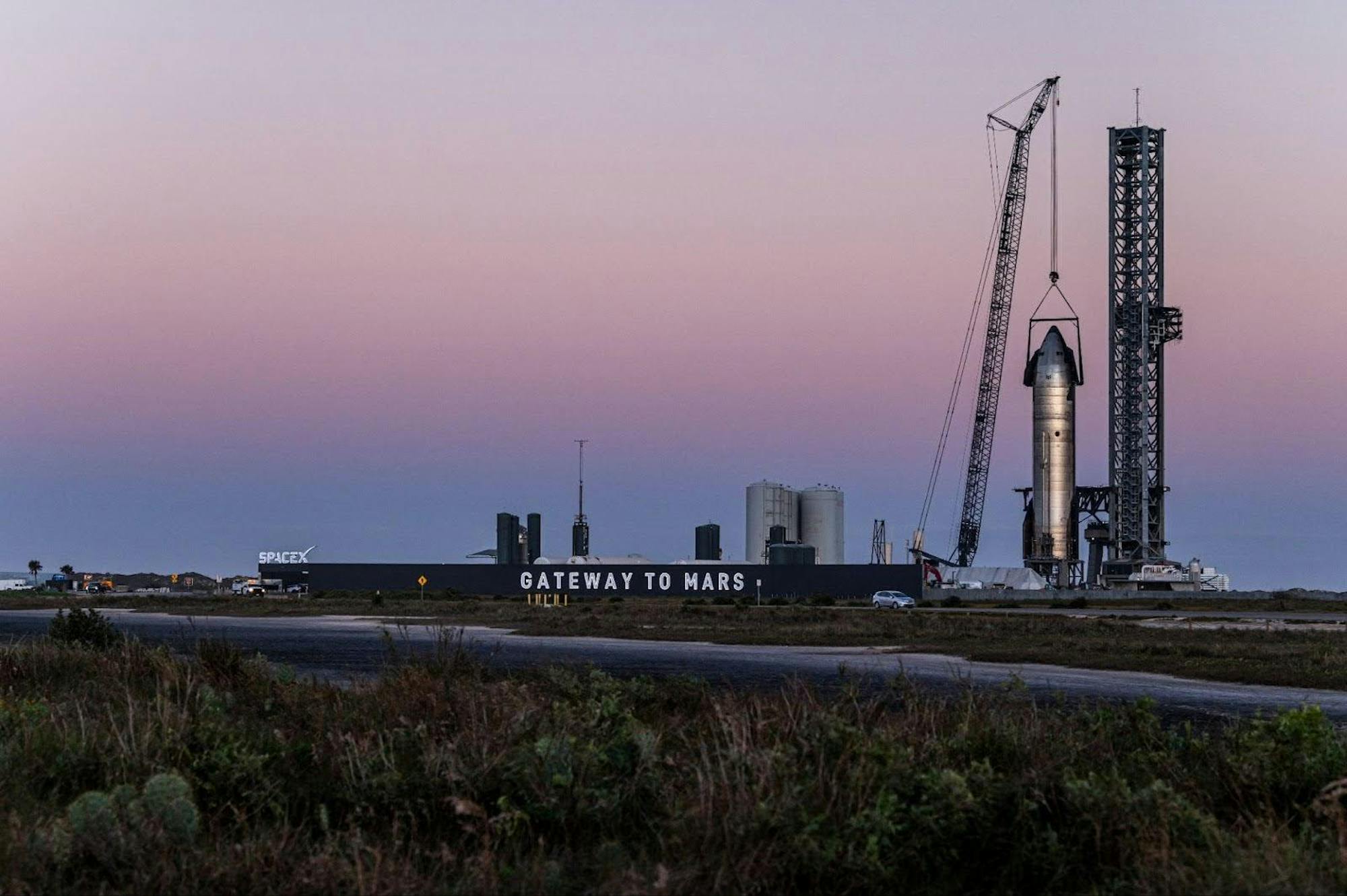
With private players like SpaceX entering the space race, they become both partners and competitors with national governments. These companies are deeply embedded in the geopolitics of space, raising new security concerns as the external private systems need to meet the government’s standards for security.
There’s a delicate balance between public and private interests, according to Melamed.
“At the bare minimum, there’s an issue of fit,” Melamed said. “Private systems need to be made compatible with public needs and procedures. The government has to align them so they can provide services at a level of quality and reliability that makes outsourcing worthwhile.”
Nevertheless, Melamed points out that there’s still room for diplomacy. Treaties like the Outer Space Treaty have limited the militarization of space, but he notes that they are far from perfect. Despite limited success with historical international treaties, such as the Partial Test Ban Treaty, multilateral treaties can be difficult to implement. This is often due to political resistance or loopholes that states can exploit.
Even with treaties in place, the realities of space warfare are complex. Melamed emphasizes how, for example, space debris and dual-use technologies raise important ethical considerations. Military planners face the challenge of ensuring that their actions in space do not harm global infrastructure.
"Conflict that generates space debris can disrupt the enormous range of services that flow through space,” Melamed said. “This creates an ethical obligation to prioritize maintaining those services and preventing conflicts from escalating to the point where they damage the infrastructure societies depend on, for communications, information and basic functioning.”
Ultimately, Melamed believes that the biggest threat to space policy may not necessarily be war, but sustainability as “the issue of space becoming overcrowded, and the resulting potential for service disruptions or space debris, makes attention to sustainability essential.”
Space debris in particular is of concern because, in space, even a small collision can have catastrophic consequences. Once debris is created, it moves at incredibly high speeds and can damage satellites, spacecraft and the space environment, creating even more debris in what’s known as the Kessler Syndrome. This could render valuable parts of space unusable for generations.
To mitigate this, many nations and organizations are working to establish standards for responsible behavior in space. The United Nations Office for Outer Space Affairs has long been at the forefront of promoting international cooperation to prevent such damage.
Moving forward, Melamed suggests a need for a combination of legal frameworks, international diplomacy and technological solutions to ensure that space remains an asset for all nations while reducing the risk of conflict. He highlights that these efforts must be complemented by ongoing technological developments, like solar power satellites to sustain both civilian and military interests in space, without undermining the environment.
The ethical, political and technological implications of space warfare are not only important for policymakers but for the public at large, according to Melamed.
“The technologies we use in every aspect of our lives are at risk, and that’s exactly why we need students to get involved in keeping space sustainable, safe and productive,” Melamed said. For students and anyone interested in learning more about space policy, Melamed points to several valuable resources.
"Space News provides very digestible and up-to-date articles on the latest developments in the space sector," he said. "Students can learn a lot from publications like these, as well as from government reports, which outline the most urgent needs the country is facing at any given time."
Correction, Nov. 11, 3 a.m.: The article has been corrected to attribute the “Space Warfighting Framework for Planners” document to the United States Space Force. It was previously incorrectly attributed to the United States Air Force.