When news channels broke with reports of the Louvre heist, it shocked the world. Yet what went viral afterward was something even stranger: a flood of memes, edits and TikToks celebrating the crime. The reactions were not exactly harsh, perhaps because no one was hurt, or perhaps because people were drawn to the spectacle of it all. What might once have been condemned as a crime was instead being reframed online as a kind of modern-day performance art. The reaction reveals more about the digital culture we live in today than about the heist itself, a culture that seems to have quietly reshaped our moral compass. In this space, theft, rebellion and aesthetic fascination intertwine, prompting us to question why these moments are so compelling to watch and share.
The recent Louvre heist has quickly become one of the most talked-about cultural moments online. A robbery in broad daylight, carried out with audacious precision. Four thieves, disguised as construction workers, used a cherry picker to reach the Apollo Gallery, slicing through a display case with a disc cutter and stealing century-old treasures, including items from the collections of Empress Eugénie, Napoleon Bonaparte’s wife and Queen Marie-Amélie, before escaping on motorbikes. The entire operation took less than ten minutes, a blur of motion and nerve. The museum’s legendary security seemed almost irrelevant, as if the crime had been pulled from the plot of a heist film. Audacious, almost theatrical — the “perfect” crime, many would say, leaving the world mesmerized by its bold spectacle.
TikTok has turned the heist into a spectacle of its own. People are dressing up in construction vests and flashy jewelry, reenacting the robbery, or imagining the robbers’ perspective as they make their daring escape, often set to the iconic song “Bella Ciao.” Others post tongue-in-cheek videos asking, “What if the Louvre robbers are secretly behind these TikToks?” The inventiveness is endless, and the internet can’t seem to get enough. These videos have racked up millions of views, turning an active criminal investigation into a meme-fueled spectacle across the internet. This widespread reaction says less about the facts and more about the fantasy that crimes like this evoke. Glamourized anonymity and a sense of rebellion draw people in, mixing fascination with complicity.
Art theft is not a new phenomenon. The allure of stolen art has captivated the public for far longer than the internet has existed. When the Mona Lisa was stolen in 1911 by Italian handyman Vincenzo Peruggia, it sparked global headlines and arguably made the painting the most famous artwork in the world. In 1990, two men disguised as police officers stole 13 works of art worth over $500 million from the Isabella Stewart Gardner Museum, none of which have been recovered. These thefts were seen as tragedies of cultural loss. And while people today are still concerned about the missing pieces from the Louvre, there is something different about how we engage with art heists now — people do not quite react the same way anymore. Could it be because of the movies that romanticize heists? Are art heists now seen as a harmless crime, more thrilling than tragic?
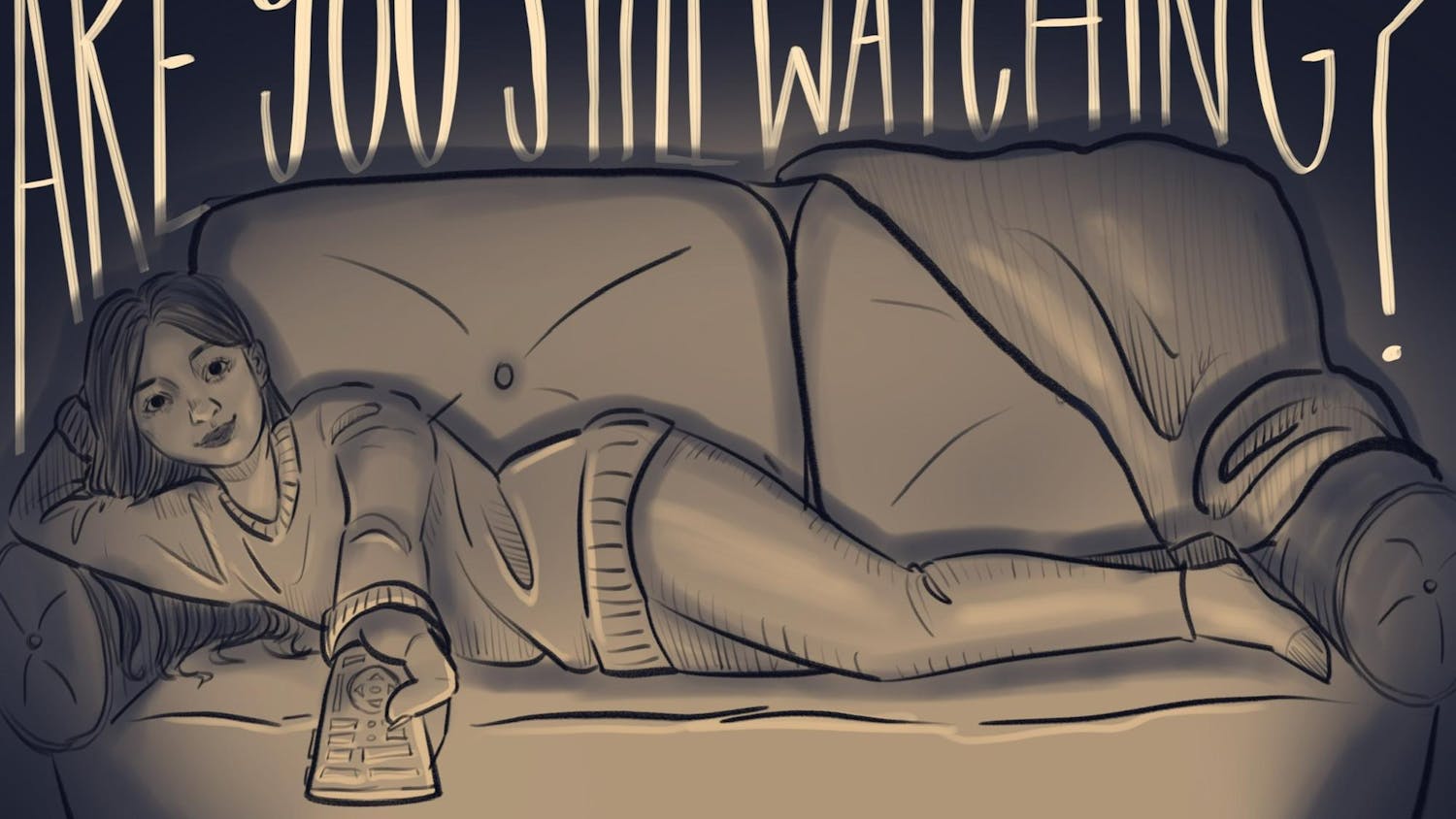
Social media platforms like TikTok make it easy to maintain a moral distance. The Louvre heist is not experienced as a crime but rather as content, with users turning a real event into participatory theater. Many film fans even joked about whether the heist was a stunt for the new movie Now You See Me: Now You Don’t. This “main character energy” culture has swept through social media, encouraging people to glamorize risk and rebellion and adding to the joke, especially when it involves elite institutions like museums, which some see as symbols of concentrated wealth. But when is enough enough? How long will people treat real crimes like entertainment? Whatever the case, the viral reactions show how social media reframes cultural events in real time through a mix of emotions and aesthetics, often downplaying the real-world consequences that accompany them.
The Louvre heist reveals as much about our cultural imagination as it does about the crime itself. As officials scramble to recover the stolen jewels, it is striking that a theft of this magnitude can be celebrated online. It shows how quickly real events can be transformed into entertainment and raises questions about what happens when spectacle overtakes substance.
Mikayla Tetteh-Martey is a junior in the College of Agriculture and Life Sciences. She can be reached at mkt62@cornell.edu.
Mikayla Tetteh-Martey is a member of the Class of 2027 in the College of Agriculture and Life Sciences. She is a staff writer for the Arts & Culture department and can be reached at mtetteh-martey@cornellsun.com.