Who’s excited for Stranger Things season five? Unfortunately, not me. The final installment comes a whopping three years after its fourth season, which is frankly absurd for a show that began in 2016. But of course, that’s what happens when you insist on upscaling an already high-budget Netflix series into “eight blockbuster movies” over the course of nearly a decade. Instead of adhering to the once-alluring formula of TV, with around 20 weekly episodes airing yearly to minimize time between new content and focus on fleshing out characters, studios have moved to the formula of big, flashy finales as if they were movies. While that may help deliver the creative vision for more high production series like Stranger Things, this trend seems to have diverged from an industry increase in quality to an excuse to create cash grabs.
The only thing worse than a TV show that was cancelled too early into its run is one that has been dragged to filth, squeezing the final few bills out of the cash cow. While a movie will typically require a higher budget, it brings the potential for much greater profit with a blockbuster hit, as opposed to shows which typically make back their money gradually off reruns and residuals. Take The Mandalorian, for example, Disney+’s 2019 savior for the Star Wars franchise. Its first two seasons were lauded for their superb acting, high production quality and excellent writing, along with its dual episodic and serialized format.
But after an unnecessary spinoff filled with cameos that only threw off the story and a painfully-paced third season with the most mixed reviews, lowest ratings and most circular plotline of the series, the show was not renewed for a fourth season. Instead, The Mandalorian and Grogu was greenlit, a theatrical movie finale for the series which scrapped storylines for a fourth season that was already being written. Moreover, it leaves a two-hour film to tie up every loose end from the series, as opposed to what would have been a full season — with a four to six hour runtime — to accomplish the same job and fulfill the creative’s original intent.
Similarly, Amazon Prime and Netflix plan to release the movie finales to their respective romantic hits, The Summer I Turned Pretty and Heartstopper, in 2026 as conclusions to each. Fans and critics alike agree that the third and final season of each show felt rushed and underdeveloped, with some plot threads either left feeling unresolved or shorn away completely. But as their movies were announced, it became clear that the reason behind the shows’ issues were their constraint to lower episode counts, as well as the necessity for their final seasons to flow into a follow-up movie.
Even more tragic is the cult classic, Community, with its popular tagline “six seasons and a movie.” While the show was revived posthumously on Yahoo! Screen for a sixth and final season after NBC cancelled its fifth, the sitcom was actually granted a well-written and well-received series finale. Even better was when Peacock greenlit a movie in 2022 after streaming led to a surge in the show’s popularity. However, the film has been stuck in production limbo, ultimately displaying that despite its fan appeal and homage to the original series, the movie was a mistake. Although it was an excellent, long-running joke, the most likely conclusion is either the silent cancellation of the movie or a shoddy, slapped-together film that only decries Community’s legacy. Whichever way Peacock moves forward, it cements that movies are not meant to follow up television, especially that which has already been so perfectly finished.
This phenomenon reminds me of what Ralph Waldo Emerson famously said: “life is a journey, not a destination.” While movies are often made to be two hour blips of an amazing theatrical experience, shows are structured to prioritize longevity and suspense, to cultivate and maintain an audience over their lifespans. In fact, that is the very reason the creators of Stranger Things, the Duffer Brothers, argued that the series finale should be aired in theaters. They developed such an apparently cinematic finale that they felt it deserved to be displayed in cinemas, but such a focus on visual production over plot for a series may only serve to hinder the show’s characters.
Suffice it to say, the big and small screen should not be merging together. While a movie may deliver a more cinematic finale, it does not deliver on the emotional development that has been earned by the show’s characters and viewers alike. Instead, it's far more likely to lead beloved characters to act in ways that feel untrue to their origins, all to elongate a property past its expiration.
Aarav Bavishi is a freshman in the Brooks School of Public Policy. He can be reached at arb438@cornell.edu.
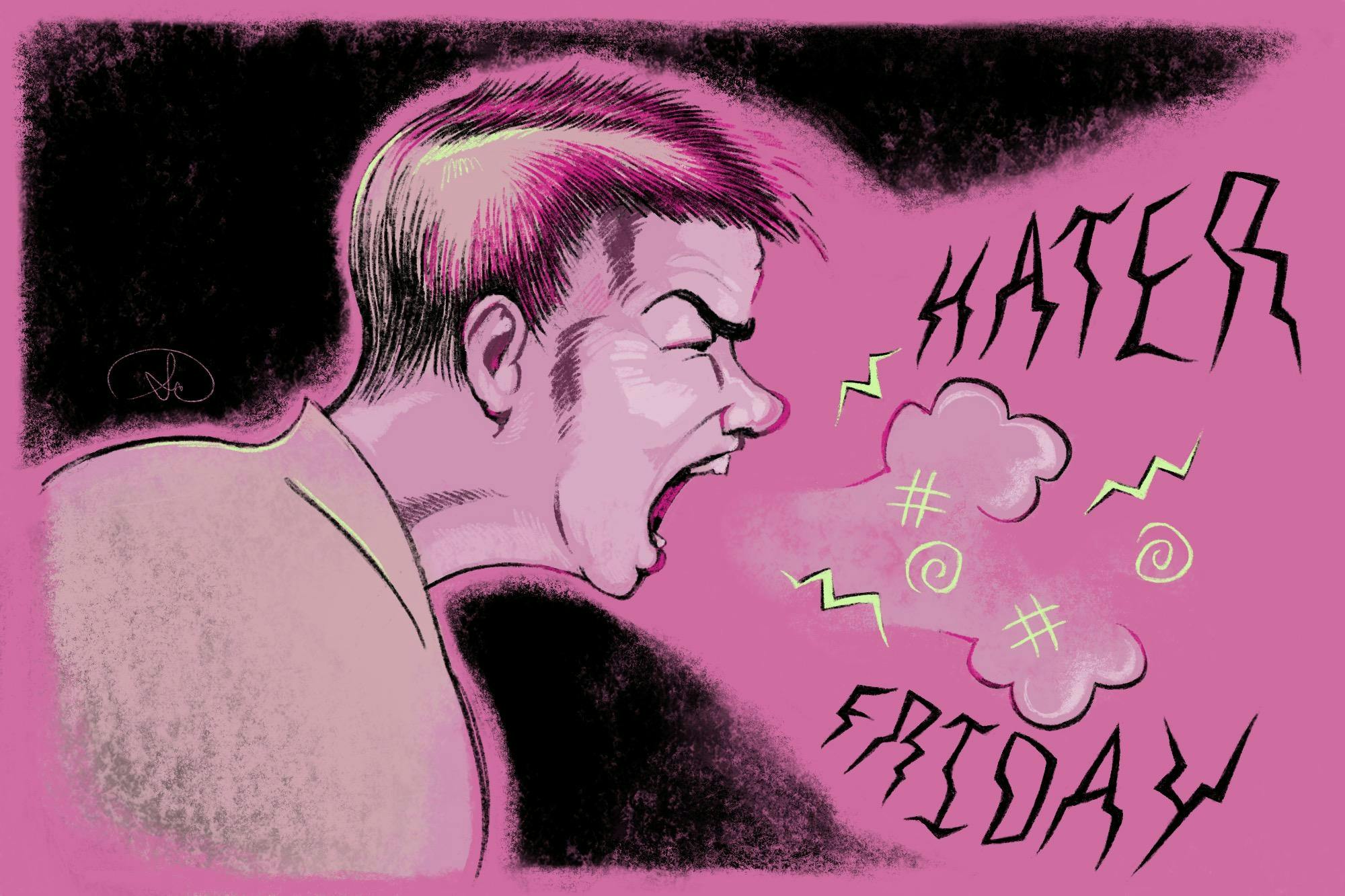
‘Hater Friday’ runs on Fridays and centers around critiquing media or culture.
Aarav Bavishi is a member of the Class of 2029 in the Brooks School of Public Policy. He is a staff writer for the Arts & Culture department and can be reached at arb438@cornell.edu.