

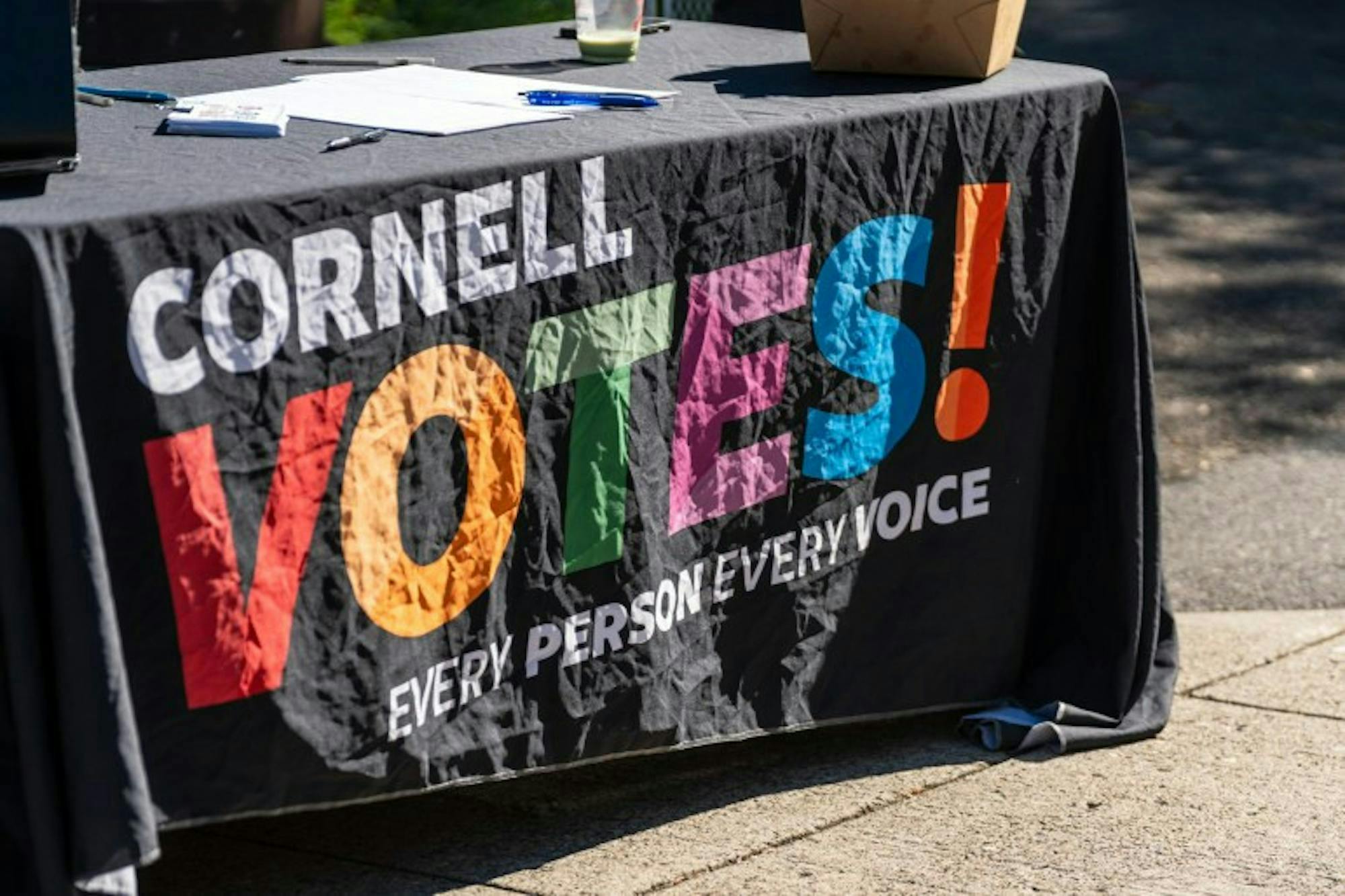
Every four years, we tune in to the United States presidential election. It’s easy: we hear about it from friends and family, see ads on social media and witness campaign activities everywhere. Unfortunately, it’s just as easy to overlook the midterm elections. The 2026 midterm elections will take place on Nov. 3, and will shape the United States' political trajectory for the next two years.
Midterm elections occur halfway through the presidential term and allow voters to choose which party controls the House of Representatives and Senate. The elections occur in every single state across the U.S. This year, there are 35 open Senate seats. All 435 House seats are open (representatives serve two-year terms). 36 states will pick their next governor. In addition, over 18,000 open school board seats and 19,000 open city council seats are up for grabs.
The results of a midterm election significantly influence people’s everyday lives. Elected representatives shape legislation directly impacting their communities. For college students, this means direct impacts on our educational experiences. Representatives shape and vote on many different aspects of higher education policies. In the past several months, we have seen frequent changes in higher education, including changes to student loan policies, the process of awarding research grants and significant focus on DEI practices. This year, we vote once again for representatives who will grapple with these issues directly. Midterm elections give us the chance to elect local representatives from our community who represent our interests (whatever they may be) and act as our voice in the halls of Congress.
Historically, midterms have also been seen as a measure of the current president’s success in office. In general, voters want change, so the party in power typically loses seats in the House and Senate. This has occurred in 20 of the last 22 midterm elections. If the president has a higher approval rating, their party typically experiences fewer losses. In short, midterm elections are as much a way to change the country’s political landscape as to express disapproval (or approval) of the incumbent president’s actions.
Despite their power, voter turnout is typically much lower in midterm elections than in presidential elections. In 2020, the U.S. presidential election had a national voter turnout of 66.6%. Two years later, the 2022 midterms had a 46% turnout. This 15 to 20 percentage point gap in participation between presidential and midterm elections has been a trend for almost two centuries. In the last several decades, midterm voter turnout has been 50% or less. Across college campuses, voter turnout is even lower. In the 2022 midterms, only 31.3% of students voted. On Cornell’s campus, that number was even lower: only 23.3% of students showed up to the polls.
This year, and in future years, we hope to see higher voter turnout. We encourage you to register to vote and to research your candidates, either in your home state or in New York. This year’s midterm elections are on Nov. 3, and we hope to see you at the polls.
Cornell Votes is a university-wide, non-partisan registered student organization that works to increase voter registration, turnout and civic engagement on campus. They can be reached at cornellvotes@cornell.edu.


