Editor's Note: This article references sexual assault.
I was speaking to a close friend about the scandal that has engulfed this University, as many of us have probably been doing. He’s positioned in a place of having a platform, like me, to speak up about the failures in conduct and controversy; the word that kept littering our conversation was 'complicity.' Don’t think of it literally. It’s not the complicity held in the men who allegedly gang-raped her for hours, or the complicity the other 50-plus active fraternity members at the time hold. I’m not even talking about the complicity of the University administration or the District Attorney’s office — because the complicity these actors maintain for their lack of proper action, both in voicing concern and seeing through with their punishments, is unmistakable and well documented.
The complicity is the one we all bear as students — as human beings.
My friend pondered about what speaking up would look like. He wrapped his head around the formality and tone. He seemed to center his message with the reaction and not the intention, which one inevitably does when their own words hold weight. But the heavier it got, the more he realized his wish was a message embedded in empathy and emotion — maybe even outrage. One that the administration, the DA nor our campus seemingly ever gave to Jane Doe.
Complicity feels heavy because “the culture of rape,” as Rep. Alexandria Ocasio-Cortez (D-N.Y.) called it at a town hall in Ithaca on Sept. 26, extends far beyond this campus and its elite companions, and into our entire system of humanity, or lack thereof.
Complicity supersedes privilege, anyone that thinks otherwise is idealistic. An Instagram story isn’t absolving us of our complicity; it's a temporary bandaid to a feeling of righteous rage, and at times, a sedative to our underlying guilt. Nonetheless, it has pushed — or rather reintroduced — the conversation of sexual assault to the national stage.
The feeling I’ve been sitting with, as I dwindled my thumb over the post button to a carousel recounting horrid sexual assault statistics, is that my voice has no effect — much less my opinion. I say that as a man with a column on the most visited student newspaper site in the country this past week. I can’t begin to imagine what those who don’t share the same access to such platforms feel. Hence, I must say something productive because silence has been the single biggest obstacle and culprit to societal complicity.
In the past week, Cornell has been held as the martyr to a centuries long epidemic. Rape didn’t begin here and won’t die here either. The press have flocked to our institution because they understand we represent an utmost hypocrisy — the educated and elite are capable of the most uncivilized and barbaric actions. Our privilege on this campus as an Ivy League has clouded our judgement; many will argue our privilege safeguards us from accountability, but let these events show that complicity supersedes privilege. In 2024, Jane Doe dropped out of Cornell because every single institution built to protect her along the way failed at delivering her justice; we are all complicit in allowing this to happen. She trusted the same systems of privilege we all buy into and believed they would protect her. But, in fact they did not; we did not.
I am a Cornell student and a member of Greek Life. I am also a son and a brother to a formidable woman who survived sexual assault and who, years later, still carries it with her every day. Frankly, nearly every woman in my life has experienced sexual assault one way or another. The culture of rape has permeated those places and affected my loved ones in and outside of Greek Life and Cornell.
Fundamentally, this is a product of male culture and male hierarchy that creates dynamics like toxic fraternity-sorority relations. These systems, and the men or women in them, aren’t inherently malicious actors; it is the infiltration of condoning and incentivizing vile behavior that solidifies a culture of rape and rots the entire system. This happens at universities all over the country, regardless of Ivy League status and it certainly happens in all communities over the world, regardless of privilege.
Therefore, deterrence to this culture’s outcome isn’t in pigeonholing oneself into this particular case at our specific university, but in looking around and punishing any man who has perpetrated this violence, modifying the law to more fairly encompass victims’ experience, and chiefly, reeducating and disciplining the men who are positioned to poison the culture in the first place.
In the coming days, months and years, let us strive to create real structural change that removes complicity from the equation. Personally, I will listen to those around me who need help or are looking for an outlet. I will take action if I see any man in my sphere attempting to poison our culture, and I will move forward, unsilenced, hoping that those around me feel encouraged enough to break the cycle of complicity with me.
The Cornell Daily Sun is interested in publishing a broad and diverse set of content from the Cornell and greater Ithaca community. We want to hear what you have to say about this topic or any of our pieces. Here are some guidelines on how to submit. And here’s our email: associate-editor@cornellsun.com.

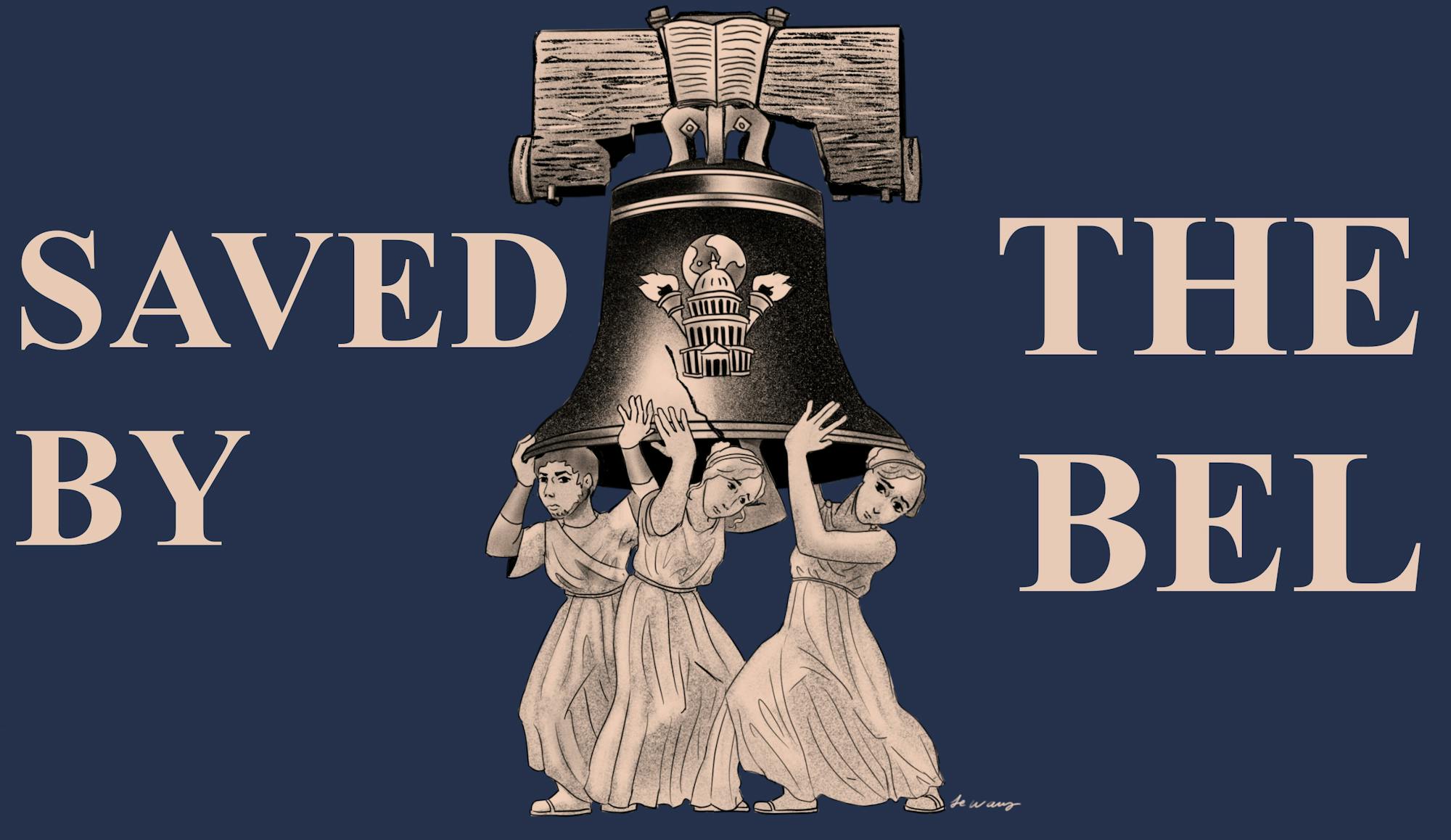
Adrian Belmonte '28 is an Opinion Columnist studying Government in the College of Arts & Sciences. Hailing from D.C. and Spain, his fortnightly column Saved By The Bel has a voice as cosmopolitan as it is candid. Belmonte takes on politics and media with clarity and a touch of wit. He can be reached at abelmonte@cornellsun.com.